



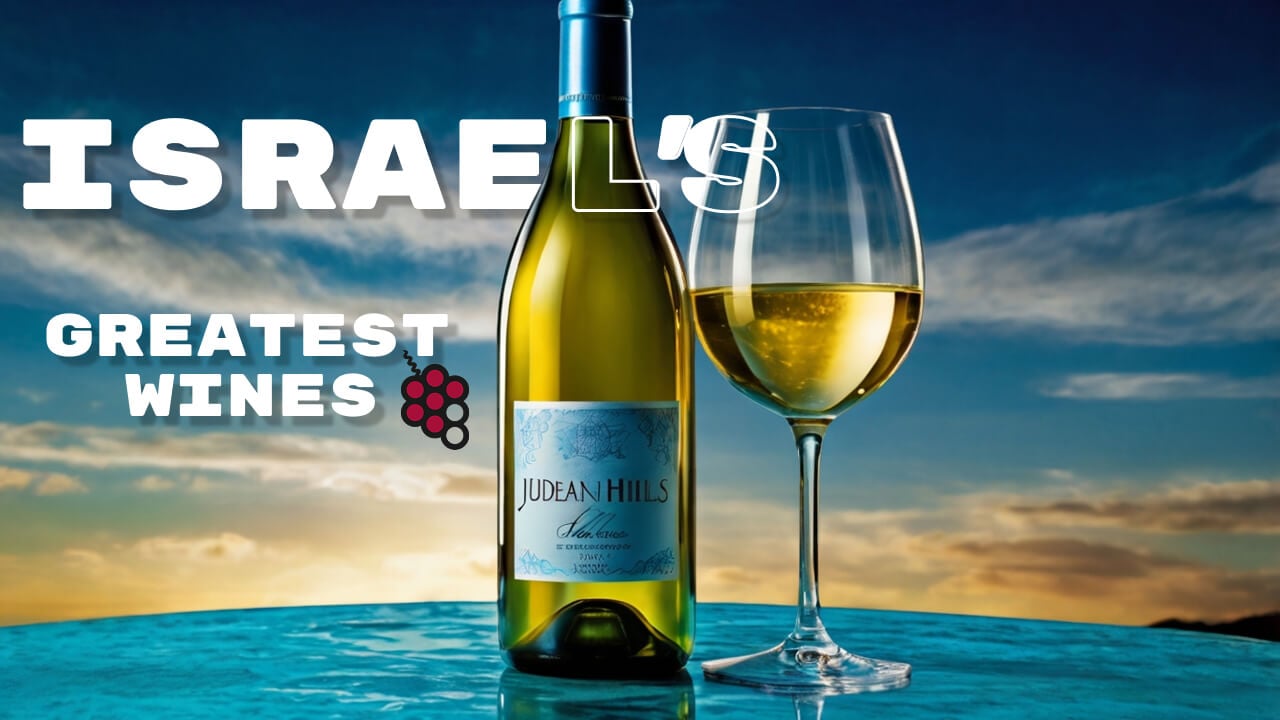
Israeli winemaking is experiencing a renaissance in the modern era, grabbing international headlines for its bold, modern expressions and unique arid terroirs. The viticultural tradition has been part of Israel’s history for thousands of years. From grape-growing references in Deuteronomy in the Bible and Torah, to vineyards on sacred hillsides, wine was woven into daily life, trade, and religious ritual. When you taste an Israeli wine, you are tasting the past, inextricably tied to the modern European tradition, and an exciting future. In this article, we’ll peer into oak barrels and glasses of deep crimson, exploring exciting wineries such as Domaine du Castel, Tzora, and Five Stones, and intriguing terroirs like the ancient Judaean Hills and Golan Heights.
The Must-Know Regions and Grapes of Israel
There was a strong winemaking tradition in the Biblical era of Israel, and Israeli wines were sought after everywhere historic trade routes could reach, whether it was Ancient Mesopotamia, Rome, or Egypt. It all but disappeared under Islamic rule, and throughout the Ottoman era, before making an incredible comeback in independent Israel, largely thanks to the controversial historic figure, Baron Edmond de James Rothschild - the owner of the Bordeaux estate Château Lafite Rothschild.
Throughout its revival, Israel was of course best known for its Kosher wines, providing table companions for Jewish communities all around the world. Due to Rothschild’s influence Israeli winemakers still often use French varietals in their brews, which have adapted well to the varied terroirs in the region. Since the 1980s, a combination of small, artisanal wineries and strong international investment has turned Israeli wine into a force to be reckoned with on the world stage.

Galilee
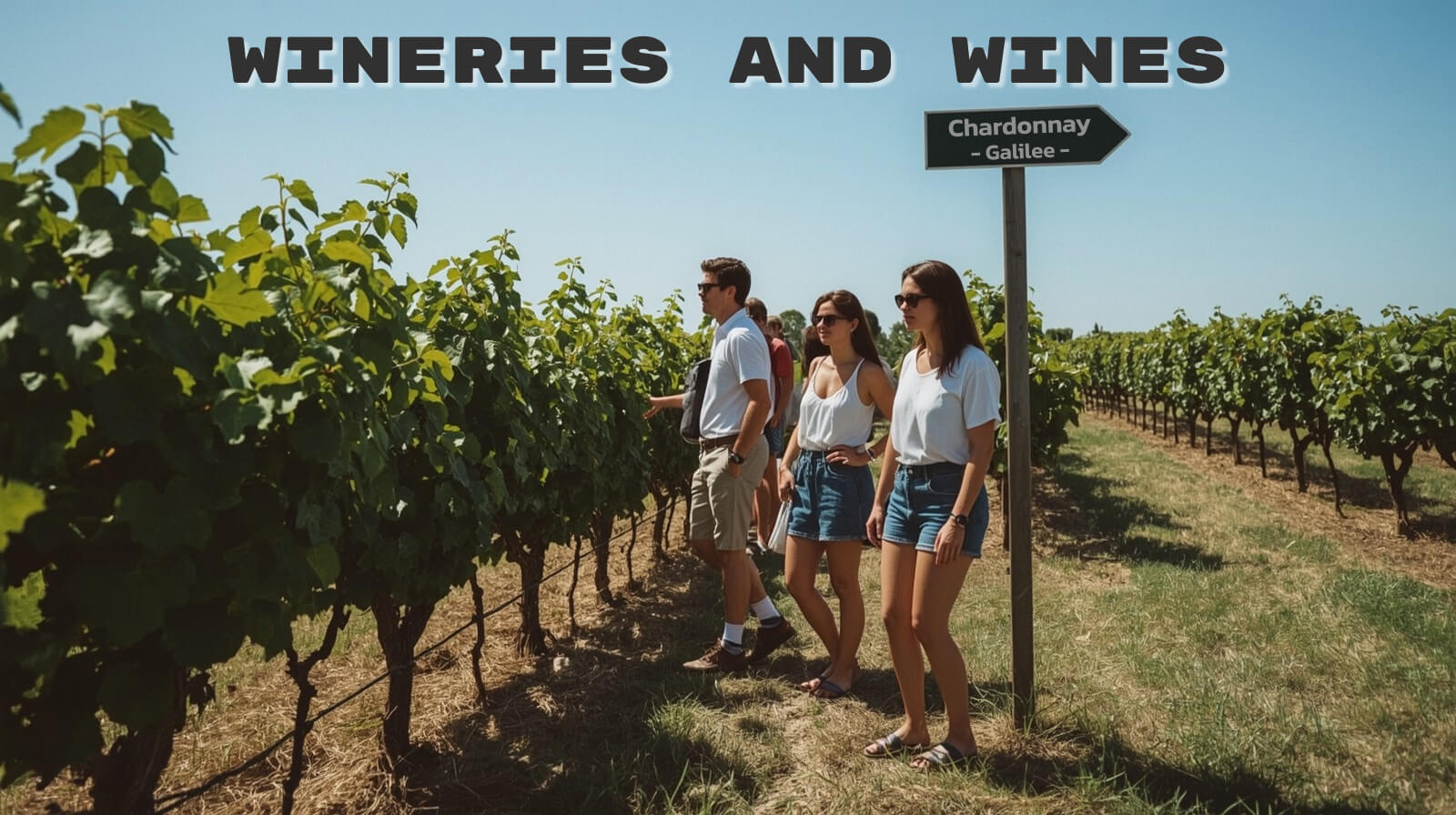
Israel can be roughly divided into 5 winemaking regions, and we will be focusing on two of the most important today. The first region we will take a look at is Galilee, which contains some of the highest altitude vineyards in the country, punctuated by Mount Meron in the Upper Galilee sub-region.
While Upper and Lower Galilee are famed for their natural beauty, the neighbouring plateau of Golan Heights is better known for its volcanic and basalt soils - a characteristic that often leads to remarkable mineral wines, such as those found in Sicily and the Greek island of Santorini. Elegant French red grapes thrive here, and the region is best known for producing Cabernet Sauvignon and Syrah, as well as delicious Chardonnay and Sauvignon Blanc wines. Galilee is notable for its boutique producers, who push the letter in terms of quality and terroir-driven styles.
Judean Hills
The location we will be really shining a spotlight on today is Judean Hills, which can be found within the wider Samson region in Central Israel. Although regions like Golan Heights are better known right now, Judean Hills is a rising region, and one that should be bookmarked for the near future.
It is a limestone-rich area, and it is precisely the region’s hilly character that makes it suitable for winemaking - the arid semi-desert below simply doesn’t experience enough rainfall to allow grape vines to grow. Judean Hills is home to stellar wineries such as Domaine Du Castel and Clos du Gat, and Burgundian varietals like Pinot Noir and Chardonnay thrive in the soil here. The sub-region is best known for its small, artisanal wineries, which focus on balance and authenticity - not unlike Burgundy itself.
Wineries and Wines to Try
Domaine du Castel
You’ve made it this far, so you must be interested in tasting some Israeli wine. Our number one recommendation is Domaine du Castel. It is ground zero for winemaking in Judean Hills. The winery has Italian roots, and was founded in the 1970s when Eli Zen Baken relocated to Israel from Milan. He brought his own oak barrels with him, and in 1995, finally released the first Grand Vin, his first stunning red wine that would shape the future of the entire region.
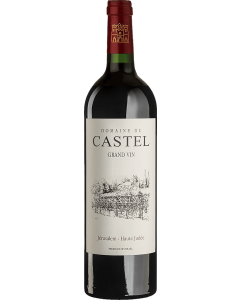
Approximately 30 years later, Domaine du Castel’s Grand Vin is still one of the finest Israeli reds on the market. It is a Bordeaux-style blend, combining Cabernet Sauvignon and Franc, Merlot, and Petit Verdot, to make a rich, full-bodied wine. Packed with classic red fruit flavours, it is the pinnacle of red wine in the Judean Hills - Grand Vin is highly collectible (Domaine du Castel is a small producer), and has awesome potential for ageing and evolving in the bottle over the next 10 or 20 years.
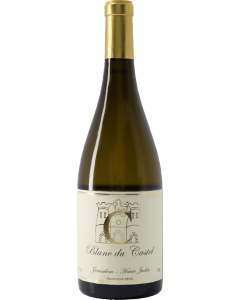
Elsewhere at Eli Zen Baken’s winery, we recommend trying out the white single-varietal Chardonnay: “Blanc du Castel”. It falls somewhere between the elegance of Chardonnay from the other big French region, Burgundy, and the tropical meatiness of a Californian Chardonnay. It has a strong structure and leans towards being full-bodied, with wholesome notes of mango, vanilla essence, and toasted nuts.
Clos du Gat
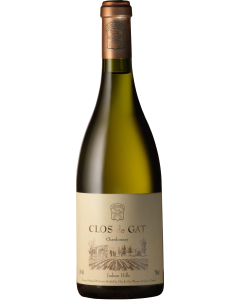
Our next must-try wine is another Chardonnay from Clos du Gat, another Judean Hills winery that takes its name from the word for an ancient wine press. Founder Eula Rotem works with just 19 hectares of vineyards, and ferments his Chardonnay on the lees to add considerable texture. Hints of baking spice come through on the palate, with overtones of citrus, stone fruits, and tropical mango. Alongside Domaine du Castel’s Chardonnay, this wine will give you an excellent overview of Israel’s unique white wine style, which balances body and elegance.
Golan Heights
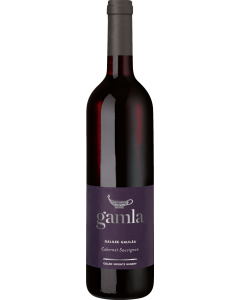
Next, we’re moving over to Golan Heights, and the winery of the same name, founded as a collective in 1983. Based on basalt bedrock and in a decidedly cool climate, they create a fascinating Kosher Cabernet Sauvignon called “Gamla”. It is full-bodied without being overbearing, and is very expressive and energetic. You can find bright red fruits on the palate, and although it contains a strong tannic structure, its flavours are light and refreshing, perfect for pairing with a wide variety of meat dishes.
Tzora Vineyards
French-Israeli collaboration is a big part of the region’s modern winemaking tradition, and this is evident in our next recommendation from Tzora Vineyards in Judean Hills. The Misty Hills Cabernet Sauvignon/Syrah blend was created with the help of Jean-Claude Berrouet from Chateau Pétrus.
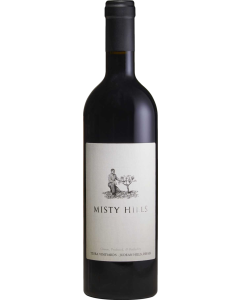
It was harvested from one of Tzora Vineyards’ highest-altitude plots, where strong diurnal temperature variations lead to a fine morning mist, prolonging the grapes’ ripening. It contains ripe flavours of wild blackberry and red fruits, supplemented by earthy hints of leather and tobacco, and can age gracefully for the next decade or more.
Five Stones
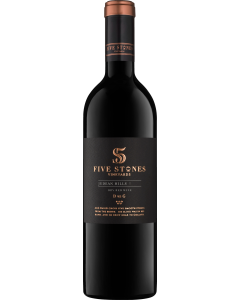
Five Stones is a small, young winery in Judean Hills, and more specifically in Elah Valley, where the mythological battle between David and Goliath took place. Their suitably named French blend, “D vs G”, is a deep crimson red in the glass, combining notes of dark stone fruits, red berries, and sweet and spicy baking spice. It is a blend of Syrah, Marselan, Carignan, and Petite Sirah - a marriage not often seen outside of France, and well worth exploring through this special Israeli prism.
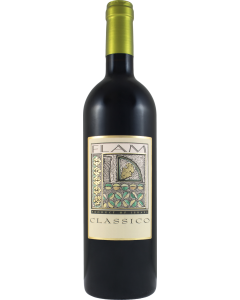
Flam
Our final recommendation is from the Flam family, another important name to watch out for in your journey through Israel’s finest wines. Their “Classico” is a timeless blend of Cabernet Sauvignon, Merlot, Cabernet Franc, Syrah, and Petit Verdot grapes, all grown in Judean Hill’s Mata vineyard. It tastes like a French-style blend on the palate - cocoa mingling with dark fruits, leather, and baking spice, along with a subtle minerality from the Judean Hills limestone bedrock. It’s a Kosher wine, which can be paired with a wide variety of hearty meals.
Israeli Wines Today and Tomorrow
Israel’s wines are a convergence point of history and innovation. Driven forward by trendsetters like Domaine du Castel, and with special rising regions like Judean Hills, Israel’s winemakers are on their way to becoming global trendsetters. They are carving a niche for Mediterranean-style wines that balance Old World tradition with New World climates, and wines with big character akin to Australian reds or Californian whites. While French grapes often take precedence, you can also see native grapes such as Marawi and Dabouki coming through, adding an exciting experimental element to an already intriguing wine location. For wine lovers, Israel is no longer just a hidden gem - it’s a destination with an ever-rising reputation, waiting to be explored.




Overall, I had a very positive experience. However, faster response times and clearer communication would make the service even better.