



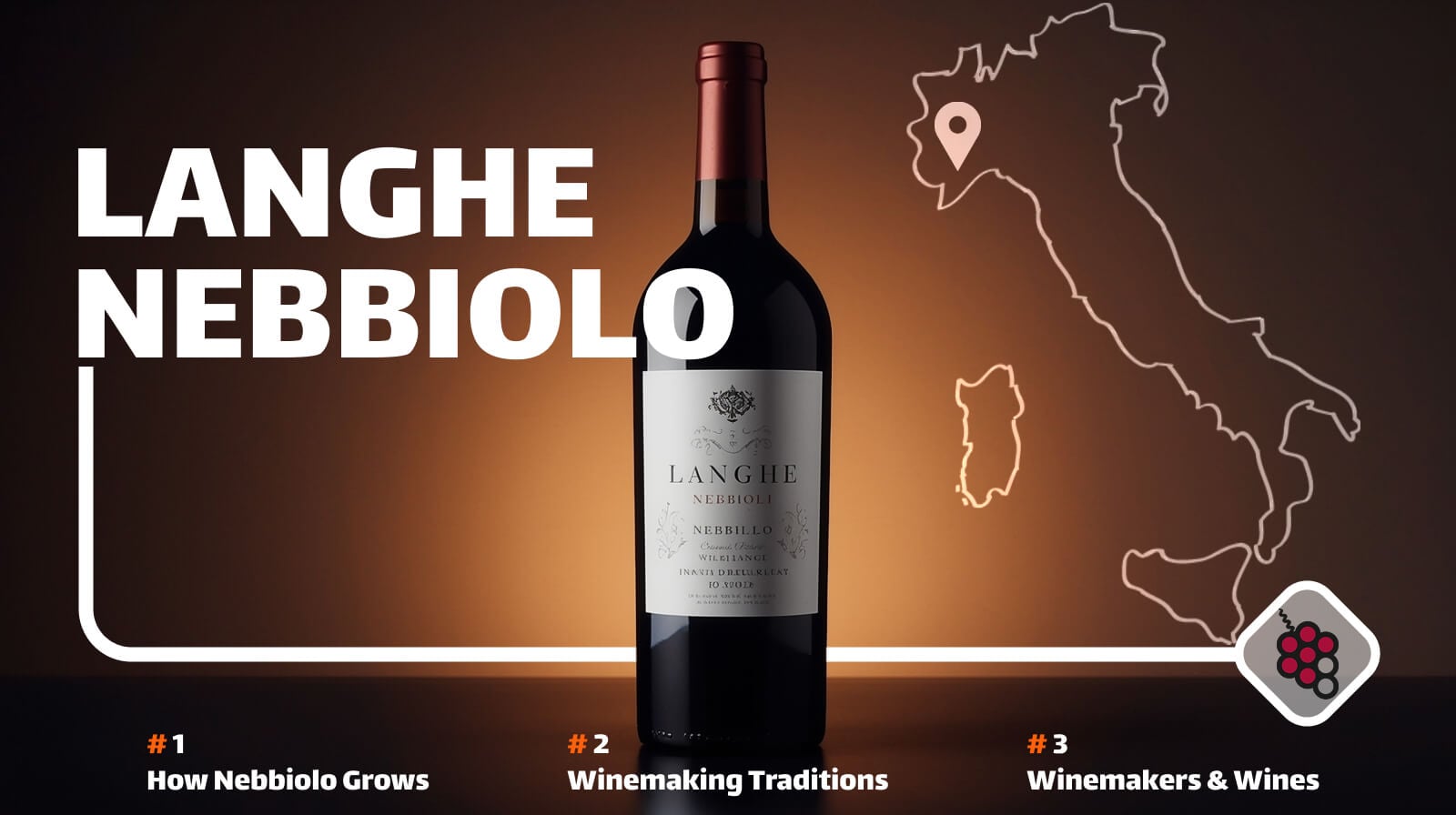
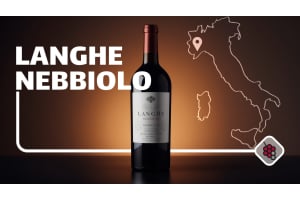
The hilly Langhe region of northwestern Italy is best known for its legendary Barolo and Babaresco reds. But it’s also home to their younger, fresher, and more accessible sibling, the Langhe Nebbiolo. Made from the same grape and grown on hillsides near the iconic villages of Barolo, La Morra, and Alba, Langhe Nebbiolo shows off the grape’s elegance, expressiveness, and vibrancy without the need for many years or decades of cellaring.
The Misty Hills of the Langhe
The Langhe is nestled in Italy’s northwest in the heart of Piedmonte, between the cities of Turin and Genoa on the coast. This is a land of soft rolling hills carpeted with woodlands, hazelnut groves, and vineyards that follow the natural contours of the landscape.
These well-draining slopes at around 300-500 metres altitude composed of limestone, marl, clay, and sandy deposits create ideal conditions for premium winemaking. Winemakers here can create their own unique compositions, selecting grapes from particular sites to build a wine of perfect balance and finesse. Higher elevations in Monforte d’Alba and Verduno grant freshness and aromatics, while heavier clay-based soils around Serralunga d’Alba and parts of Monforte offer more structure.
Climate also plays its part, with crisp and cold winters giving the vines a long period of dormancy which strengthens them for the growing season. Consistently warm spring days and hot summers allow for steady ripening. In the higher hills cooler nights even in July and August help preserve acidity, while lower sites offer richness and warmth.
What makes Langhe Nebbiolo truly unique, though, is the thick morning mists which blanket the hills come autumn and help extend the ripening process. Nebbiolo itself is thought to be named after the Italian word “nebbia” meaning “fog”. These foggy conditions help lock in natural freshness and delicate fragrance while ensuring the grapes develop ripe fruit flavors and firm tannins when the sun finally does come out.
How Nebbiolo Grows in Langhe
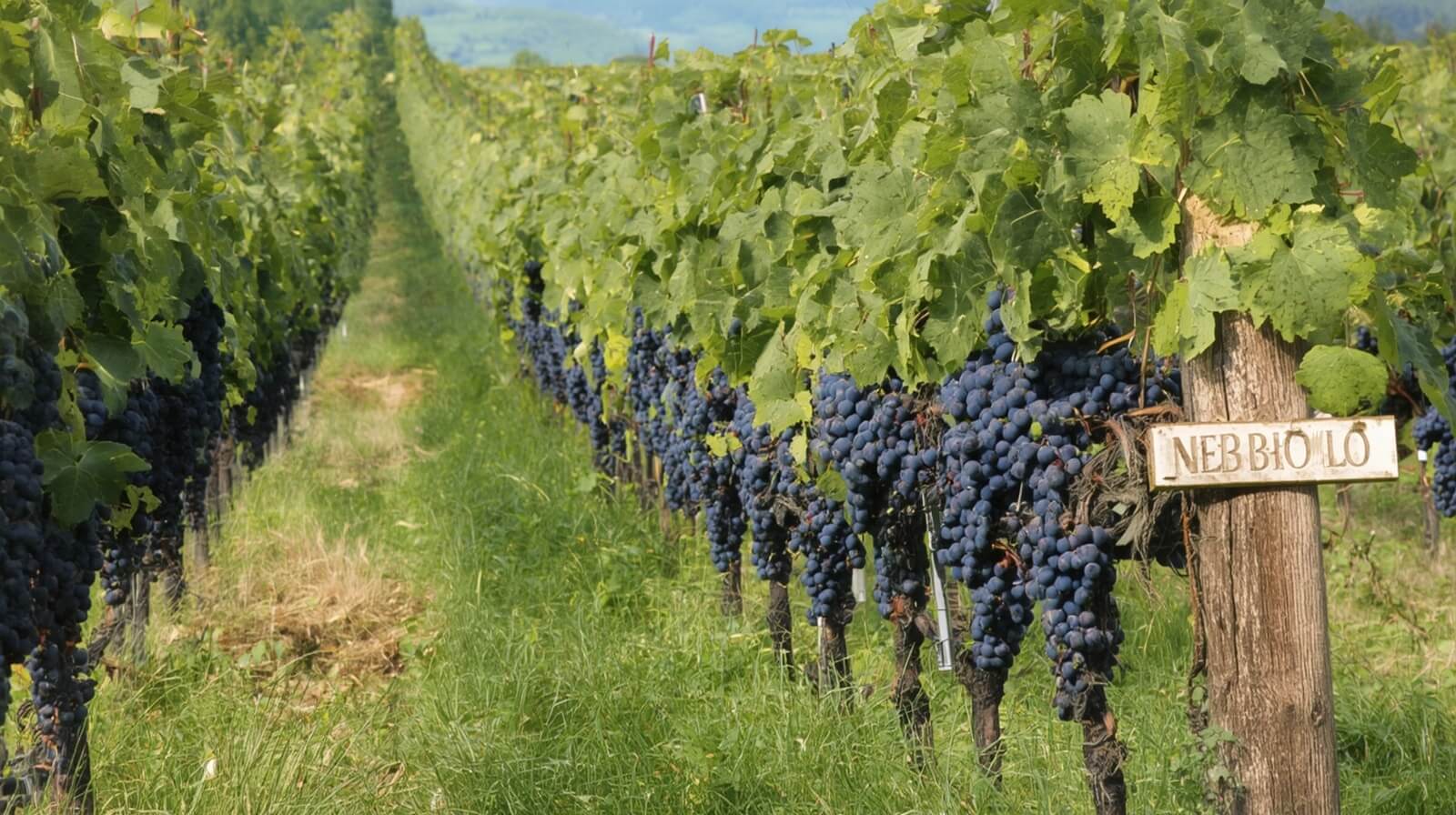
Nebbiolo’s origins remain lost in the murky mists of time, but the first recorded mention of the grape here dates back to the 13th century. As with many Italian regions, the grape is so intertwined with the landscape it seems as if it has always been here. This incredible heritage is the reason why the Langhe was designated a UNESCO World Heritage site in 2014.
Across the Langhe region, which covers some 6000-7000 hectares, there are huge variations in terroir and winemaking styles. Nebbiolo from Alba and Monforte d’Alba tends to be lighter and fresher, while vineyards closer to the iconic villages of Barolo and La Morra are often richer and more structured. Sandy soils north of the Tanaro river give lighter ,more fragrant Nebbiolos.
Langhe Winemaking Traditions & Pioneers
The hills of the Langhe are dotted with stunning estates and villas where local families have been quietly making Nebbiolo wines for hundreds of years. Traditionally vines were harvested by hand and trained using simple trellis systems, with most premium producers still using manual selection to only pick the ripest grapes on each pass through the vineyard.
Although most Langhe producers now use the latest winery technology and hardware like temperature-controlled fermentation tanks, it’s still very common to age Nebbiolo in huge oak botti or “casks”. These have a neutral profile and preserve the natural character and purity of the grape. Langhe Nebbiolo is typically made in a lighter, fresher and less tannic style that can be enjoyed 3-5 years after harvest, while many premium Barolos need a decade or more in the cellar before they’re accessible.
Langhe’s Must-Try Winemakers & Wines
Langhe Nebbiolo often gets overshadowed by its big brother Barolo, but these days there are plenty of producers that are crafting exceptional “second wines”.
Renato Ratti
One of the founding fathers of modern Barolo and Langhe Nebbiolo, Renato Ratti is unusual because he didn’t come from an established winemaking family like most of his peers. He actually worked in Brazil for Cinzano for a decade gaining hands-on experience in the vineyard before buying his first plot near the famous Abbey of Annunziata in La Morra.
Inspired by the iconic vineyard classification system of Burgundy, Ratti saw the potential of single vineyard Nebbiolo and became one of the first to introduce the concept of “crus” to the Langhe. He began to map and distinguish Barolo’s subzones based on their unique characteristics, and also adapted winemaking techniques to suit the terroir. Barrel ageing was reduced and greater emphasis placed on bottle ageing.
Renato enjoyed a stellar career, serving as President of the Barolo Consortium and writing extensively about Nebbiolo and Barolo in the international wine media. When Renato passed away in 1988, the estate was taken on by his son, Pietro, who continues his father’s legacy to this day and has grown the property to 35 hectares of vineyards producing prime grapes for both Barolo and Langhe Nebbiolo.
Renato Ratti Langhe Nebbiolo Ochetti
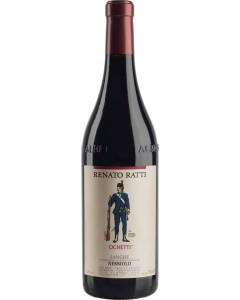
Renato Ratti created this single vineyard cuvee to celebrate the beauty of Nebbiolo beyond the lofty crus of Barolo. Grapes come from the Ochetti vineyard on the left bank of the Tanaro river where the sandy, well-draining soils have been prized since the 1600s. Nebbiolo grown here even featured in the cellars of the House of Savoy, the royal dynasty who ruled this region and eventually expanded their reign over the whole Kingdom of Italy until 1946.
The terroir creates a lighter, fresher style of Nebbiolo with refined, gentle tannins with grapes harvested in October for a ripe fruitiness and vibrancy. Once in the winery the grapes are gently pressed and fermented and aged in stainless steel tanks to showcase the natural purity of the Nebbiolo.
The Ochetti is then bottled in the famous “Albiesa” bottle which was created by Renato to celebrate the uniqueness of the Alba region, and features a Piedmontese soldier on the label commemorating the local regiments of the 18th century.
Aurelio Settimo
The story of Aurelio Settimo began in 1943 when his parents moved into an old farmhouse in the little hillside hamlet of Frazione Annunziata in La Morra. In the early years they practised traditional farming, growing vines alongside raising their livestock and other crops. Aurelio’s father started bottling some of their wine in the 1950s. After his death Aurelio switched the estate entirely to viticulture and launched his namesake label.
Today the estate is run by his daughter, Tiziana, and his grandson, Davide, who continues her father’s legacy by prioritising quality over volume. Production sits at just 40,000 bottles per vintage. Tiziana currently oversees some 16 acres of vineyards, including around 3.5 hectares of Nebbiolo in the prestigious Rocche dell’Annunziata cru which is known for its excellent exposure, clay and calcareous soils, and classic gentle Langhe slopes.
Aurelio Settimo Langhe Nebbiolo
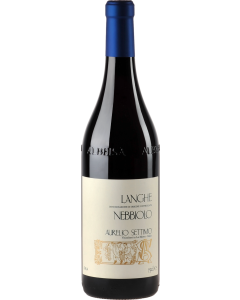
This textbook Langhe Nebbiolo is testament to the rigorous winemaking and focus on quality above all else at Aurelio Settimo. Grapes come from younger Nebbiolo vines planted on southeast-facing slopes in the same area where their Barolo grapes grow. The result is a younger, fresher expression with the same level of attention to detail.
Fruit is harvested by hand to allow careful selection of the best fruit, and then macerated for 8-10 days. There’s regular pumping over for greater extraction in keeping with traditional Langhe Nebbiolo production. The next step after fermentation is around 30 months of maturation in concrete or cement tanks and a few months more of bottle ageing to preserve clarity and the essence of the terroir.
Ca’ Viola
Founded in 1991 by Giuseppe “Beppe” Caviola, Ca’ Viola is a newer addition to the Langhe scene. Beppe started out making just 860 bottles of Dolcetto in his parents’ garage from rented vines, and by 2002 he had already been crowned “Enologist of the Year” by Gambero Rosso.
Beppe’s incredible success comes down to his artisanal approach and genuine passion for his craft. He now has around 12 hectares of vines which include prime Nebbiolo plots planted at 450 metres of elevation on shallow sandy and loam soils. This exceptional terroir brings vibrancy and attractive fruit to his much-loved wines.
Ca Viola Rangone Langhe Nebbiolo
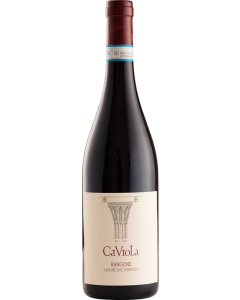
This sprightly Langhe Nebbiolo is a great introduction to Beppe’s wines, and takes its name, “Rangone”, from the Rangone counts of Montelupo Albese who once controlled the historic vineyards where Ca’ Viola’s Nebbiolo now grows. These vines are planted on pleasant south and south-east facing slopes on loamy and sandy shallow soils similar to those found at Aurelio Settimo.
This wine is a little more traditional than others on this list, with 8-10 months of ageing in large oak barrels in classic Piedmontese style. This helps add extra structure and definition without overpowering the natural character of the Nebbiolo.
Negretti
Brothers Massimo and Ezio put 90% of their efforts into managing their vineyards, focusing on producing top tier fruit for their meticulous Langhe cuvees. Although they only founded the current estate in 2002, their roots date back to the start of the 20th century with grape growers and winemakers strewn liberally across the family tree.
Today they work 13 hectares of vineyards planted on prime slopes in classic Langhe villages like La Morra, Roddi, and nearby Monforte d’Alba. The two brothers go above and beyond to keep their vines in tip top condition, using green harvesting to reduce yields, hand-harvesting and manual selection, and a deep appreciation for the wider ecosystem and biodiversity that make this style of winemaking possible.
Negretti Minot Langhe Nebbiolo
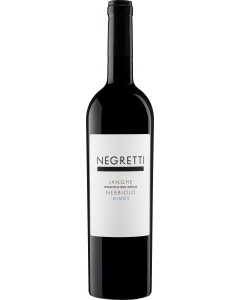
Vineyards are top priority at Negretti, and this beauty comes from a stunning vineyard planted in 1980 on clay soils with blue marl. The plot sits at 330 metres elevation with eastern exposure which helps give both ripeness and balance in the fruit.
Since the brothers concentrate their work in the vineyards, winemaking is kept simple and minimal. Grapes ferment in temperature-controlled stainless steel tanks followed by a year in French oak barrels before bottling. The result is an elegant, effortless Nebbiolo that the brothers named after their great-grandfather, “Minot”, who was the first in the family to make wines.
Miraflore
One of the older estates in the Langhe, Miraflore was founded by the son of King Vittorio Emanuele II, Count Emanuele Alberto, in 1858. For many years it played a pivotal role in establishing Barolo wines in Italy and beyond, until falling into obscurity in the early 20th century. It’s now back on the scene as a heritage winery that combines traditions with organic viticulture and excellent vineyard plots on the high hills of Serralunga d’Alba.
Conditions here are ideal for premium Nebbiolo production thanks to the east-facing slopes, 300-450 metres of elevation, and clay and calcareous marl soils. Vineyards here are often crowned with Langhe’s famous morning mists and gentle sun which helps grapes develop slowly and fully.
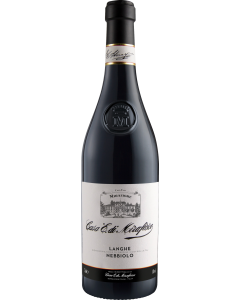
Grapes for this Nebbiolo come from Mirafiore’s historic Serralunga plots, so it feels appropriate that this cuvee ages in a mix of traditional larger Slavonian oak barrels of 20 and 140 hectolitres for 12 months. Another six months of bottle ageing before release helps with integration and approachability.
This is a great example of why Langhe Nebbiolo can be considered Barolo’s younger cousin; it’s the same terroir, winemaking traditions and heritage in a younger, fresher format that doesn’t need decades of patience. For those curious about exploring Nebbiolo without the price tag or seriousness of Barolo, these top-tier Langhe producers are a great place to start.



Delivered on time. Strong packaging