



Just like wine, the quality and character of olive oil is shaped by the terroir where it grows. Oils crafted on the arid plains of Castilla y León taste drastically different from an Extra Virgin oil from the rolling Veneto hills near Lake Garda or sunbaked volcanic groves in Basilicata in southern Italy. In this guide we’ll walk you through the hallmarks of high-quality olive oil, and how to spot them when you’re shopping online or in-store.
What Makes an Olive Oil Exceptional?
Exceptional olive oils are made using four key ingredients:
Olive Varieties
Olive trees come in different varieties just like grape vines, and it’s common to mix and match olive types to create a harmonious blend. You’ve probably heard of Arbequina from Spain which tends to be mild and creamy, and Manzanilla which is round, fruity, and soft. Picual is like their bigger brother; robust, bitter, and peppery with a real punch on the finish.
Italy’s iconic olive is Frantoio which can be herbaceous and peppery especially when harvested early. It’s often balanced with smooth and balanced Leccino olives and Moraiolo for robustness. Southern Italy commonly uses the powerful Coratina and Ogliarola which has a more herbal and balanced character.
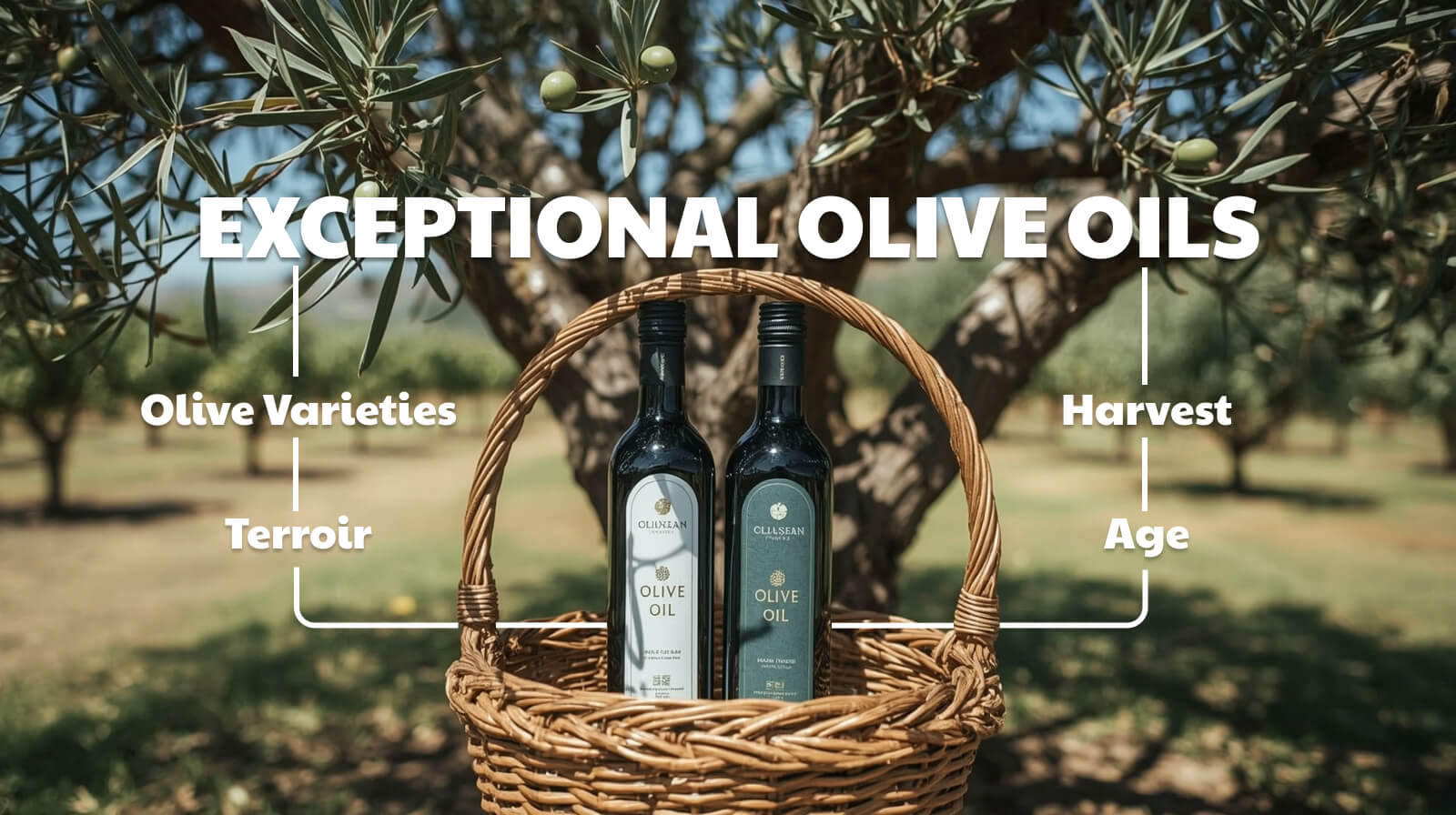
Terroir
Soils, climate, altitude, and geography make up the second essential ingredient that shapes the personality of an olive oil:
-
Soils: Clay and limestone-rich soils, like those found in Tuscany where this Querciabella Extra Virgin oil hails from, give a clean, herbaceous character with pepper on the finish. This magnificent Elena Fucci Extra Virgin olive oil from Basilicata is grown on unique volcanic soils which help produce powerful oils with incredible depth of flavor, bitterness, and heady spice.
-
Climate: Hot, arid regions like Castilla y León produce richer, rounder oils like this Belondrade Quinta San Diego oil. Temperatures are more mild around Lake Garda in Italy’s Veneto region, which is why this Fasoli Gino oil is softer and more delicate.
-
Altitude: Quinta San Diego also sits on a high plateau which helps cool temperatures at night even during full summer. Olives here ripen more slowly, developing higher amounts of polyphenols which translate to bitter and peppery notes when we taste them.
-
Geography: Olive groves near the sea are cooled by coastal breezes, like this Campo alla Sughera from the Tuscan seaside. The lower temperatures enable the olives just to ripen enough without losing their delicate, fresh and herbaceous notes.
Harvest and Production Techniques
What happens to olives after they grow makes a huge difference to the final flavor and quality. Olives harvested earlier in the season, usually from late September to mid-October, have more polyphenols which means more bitterness, peppery character and spice. Those picked later will be smoother and fruitier.
Most premium producers harvest their olives by hand or using gentle machine harvesters to avoid damaging the fruit. They’re then whisked to the press within a few hours to be cold-pressed at temperatures below 27 °C. The idea is to press them as quickly as possible without losing any freshness or delicate aromatics.
Age
While many fine wines benefit from extensive aging in the cellar, olive oil is meant to be consumed young and fresh. That’s why good quality oils are bottled in dark glass to protect them from light, heat, and oxygen in the air.
Our olive oil producers tell us that flavors tend to peak a few months after the harvest. Look for the harvest date on bottles and try to finish the bottle no more than 12-18 months after that date. More robust, green olive oils tend to last longer than delicate oils because they’re higher in natural antioxidants.
How to Choose Olive Oil
Taste the olive oil
If you’re visiting olive oil producers, it’s a good idea to taste the olive oil before you buy. A premium olive oil will be balanced with a peppery finish that lingers in your throat. Delicate aromas of things like almond, tomato leaf, and freshly-cut grass can all be signs of a high-quality oil. Avoid olive oils that are overwhelmingly bitter and peppery or have a very neutral, bland flavor.
Reading and deciphering the label
If you can’t try the oil before you buy, you can look for clues on the bottle to understand how it will taste. Don’t forget to look up the harvest date and select oils made within the last 12 months. Some may be labelled with the variety if they are single-varietal olive oils, giving you a better idea of what to expect inside.
Almost all high-quality oils are Extra Virgin these days which means they meet strict standards and are made from the first pressing of the olives. Chemical treatments are forbidden, olives must be cold-pressed and acidity is capped at a maximum of 0.8%.
Check for certifications
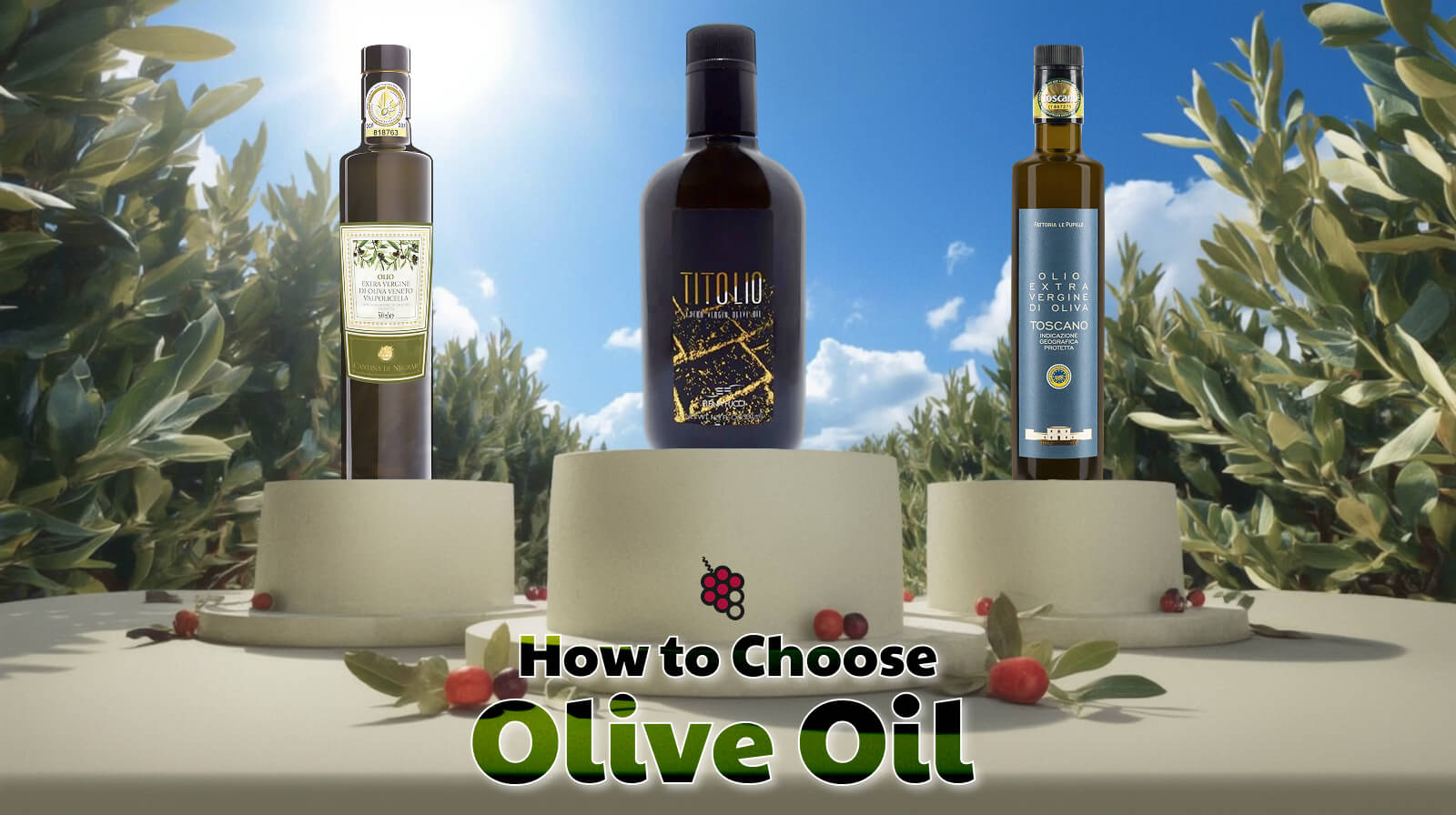
Many premium olive oils have certifications such as PDO or PGI (Protected Designation of Origin or Protected Geographical Indication) designations like this Domini Veneti oil from Valpolicella in the Veneto region. Organic certification is increasingly common.
Buy from reputable stores and producers
Olive oil can degrade quickly if it’s not stored properly, so it pays to buy your oils from trusted vendors who keep their stock in temperature-controlled storage areas away from sunlight. Cutting olive oil with cheaper oils is another big issue in the industry, which is why it’s best to stick to reputable producers and specialist sellers.
Our Recommended Olive Oils
Fasoli Gino Olive Oil
The Fasoli family started making wine back in 1925, and switched to organic production and some biodynamic practices in the 1980s. Their olive trees grow on soft hills near Lake Garda at 300–450 m elevation and their oils tend to be delicate and gentle with distinctive fruity notes.
Elena Fucci Olive Oil
Although produced in modest quantities, Elena Fucci’s oils have won recognition from prestigious publications like Gambero Rosso. Elena herself is the key to the estate’s success, beginning with her decision at the age of just 18 not to sell her family’s vineyards.
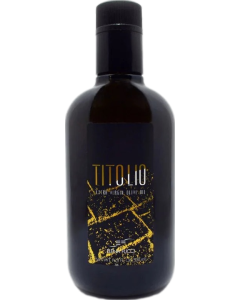
Belondrade Olive Oil
Frenchman Didier Belondrade is famous for his Quinta San Diego wines from Castilla y Leon which are made with an elegant Burgundian touch. Didier also applies these principles to his olive oils which are made from classic Spanish varieties like Picual, Cornicabra, Arbequina, Arbosana which have been planted here for centuries.
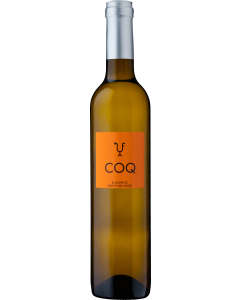
Querciabella Olive Oil 2024
Another famous winery with a love for premium olive oil, Querciabella in Tuscany focuses on terroir and organic winemaking principles. Their olive trees grow on the same hillsides as their vines in Greve in Chianti where the moderate Mediterranean climate is ideal for premium production and developing clean, crisp flavors.
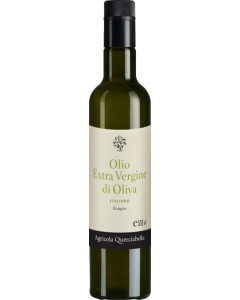
Domini Veneti Olive Oil
Domini Veneti’s olive groves are planted on the world-famous hills of Valpolicella Classica which produce rich and powerful red wines. The estate works with local olive varieties like Grignano, Favarol, and Leccino which suit the cooler northern Italian climate. Their production techniques combine the old and new, with hand-harvesting, pressing on stone mills, and gentle extractions in temperature-controlled presses.
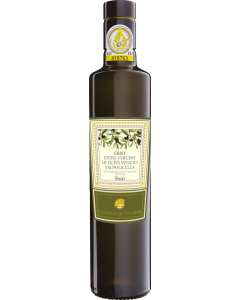
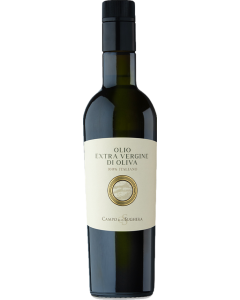
Campo alla Sughera Olive Oil
Bolgheri in coastal Tuscany is well-known for its Super Tuscan wines and exceptional terroir, so it makes sense that the region would also produce world-class olive oils. Their oils are shaped by the sea breezes which help moderate the summer temperatures, creating oils that are vibrant and packed with zingy herbal notes.
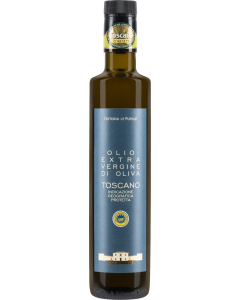
Fattoria Le Pupille Olive Oil
This historic Tuscan estate crafts both wines and olive oils that respect the traditions and character of the land. The property is run by founder Elisabetta Geppetti and her children Clara and Ettore who craft this oil from their mature Correggiolo, Frantoio, and Moraiolo trees which grow naturally amongst their vineyards and farmland.
Still not sure which olive oil to buy? Why not try our Premium Olive Oil Tasting Case curated by our in-house olive oil experts which includes 6 of our favorite oils sourced from Tuscany, the Veneto, Basilicata, and Castilla y León. It’s a great introduction to premium olive oils, and it also makes a great gift for foodies!
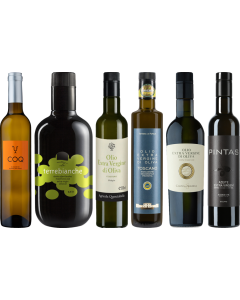 Vineyard Olive Oil Premium Tasting Case6 bottles, Extra virgin





Excellent selection of wines, super fast shipping, and exceptionally good packaging. I’ve already recommended them to many of my friends. Highly recommended!