



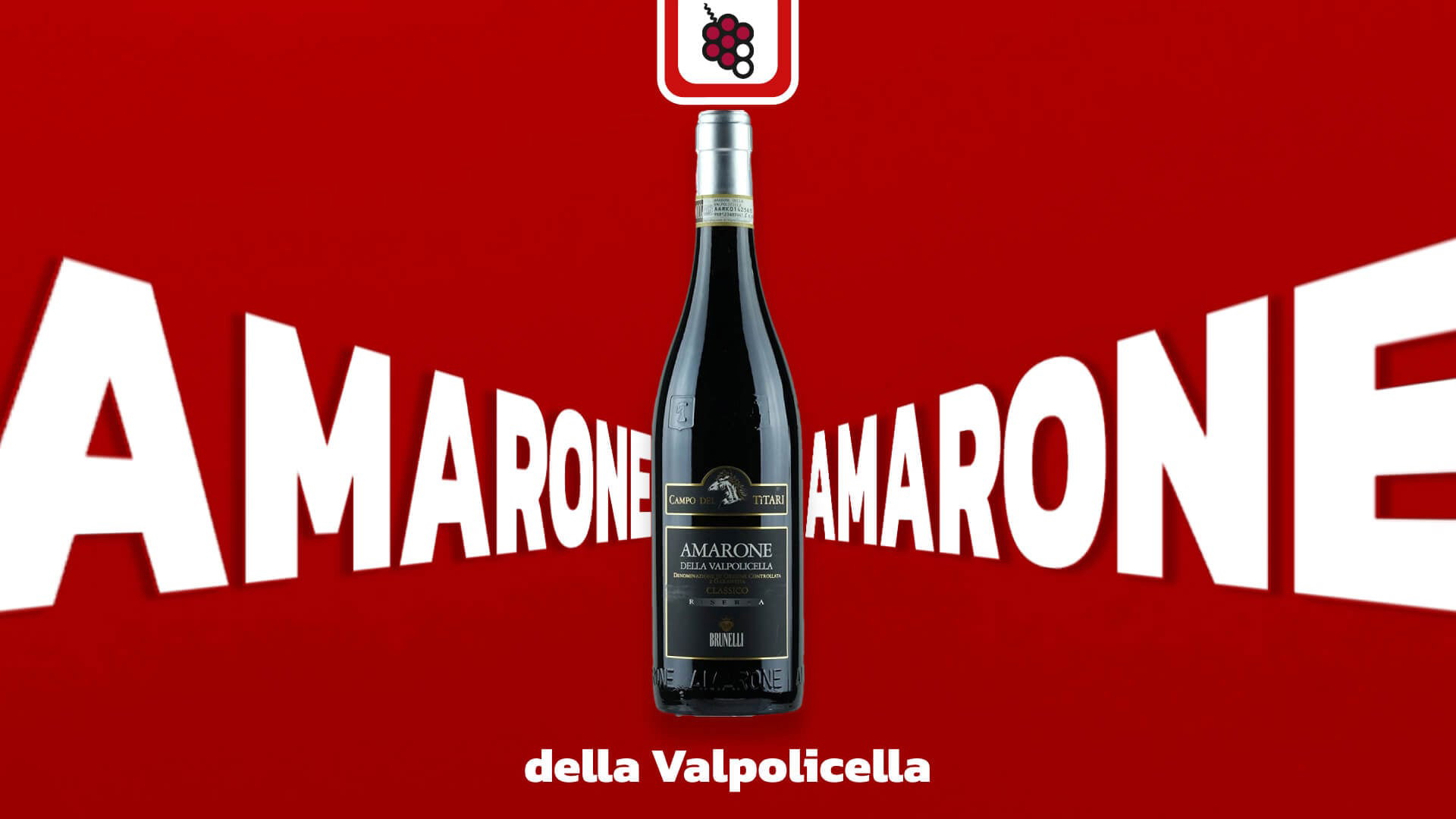
Just to the west of Verona, the city immortalized as the home of ill-fated lovers in Shakespeare’s “Romeo and Juliet, is the rolling hills and valleys of the Valpolicella wine region. Like many Italian regions, Valpolicella is best known for one particular style of wine that has evolved and developed from ancient local winemaking traditions. Valpolicella’s blockbuster Amarone reds get their impressive intensity and depth from drying out the grapes over the winter which concentrates flavors and increases alcohol levels.
In this article we’ll explore exactly what makes Amarone della Valpolicella the most decadent red wine in all of Italy. We’ll discover how it was first produced by accident by a local winemaker, and how the unique combination of winemaking skill, terroir and traditional practices have given Amarone its own unique character and global reputation.
A Brief History of Amarone
The traditional “appassimento” process of drying grapes over winter that’s used to make Amarone della Valpolicella wines is a time-honored practice that dates back to ancient Roman winemakers. In more recent years Valpolicella winemakers would use this technique to make sweet Recioto wines that were very popular in this corner of Italy.
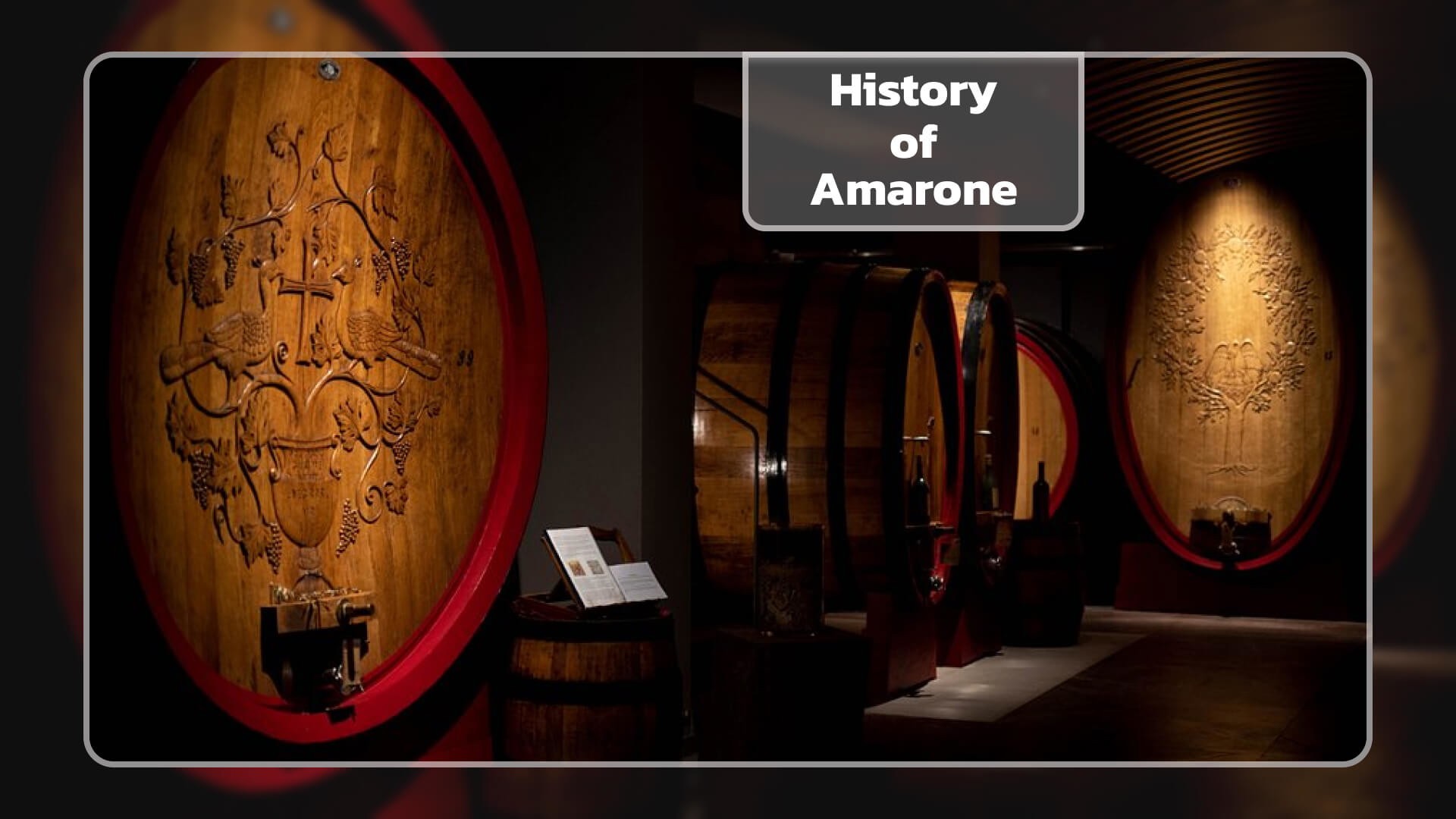
A Happy Accident?
According to the romantic version of the story, the creation of Amarone in the 1930s was a happy accident. A barrel of Recioto wine had been forgotten somewhere at the cooperative winery Cantina Sociale Valpolicella. The wine had continued fermenting longer than planned, converting all of the sugar from the grapes into alcohol. The cellar master Adelino Lucchese tasted it and was so struck by the intense flavor he cried out “this wine is amarone”. Since amaro means bitter in Italian, “amarone” means something like “great bitter”.
The ”Father of Amarone” Giuseppe Quintarelli
In truth dry wines had always been made alongside Recioto because in those days it was challenging to control the fermentation process. Real change came in the 1950s when Bolla winery released the first commercial Amarone on the market. Next on the scene was the “father of Amarone” Giuseppe Quintarelli who helped put Amarone on the world stage by focusing relentlessly on quality over quantity and using only the very finest grapes and barrels.
International Recognition of Amarone
Sales really started to take off in the 1980s with more producers joining the movement and a growing international reputation. This culminated in official recognition with (Denominazione di Origine Controllata) status for Valpolicella in 1990 and recognition of Amarone as a DOCG (Denominazione di Origine Controllata e Garantita) in 2010. Amarone also caught the attention of cult US wine reviewers like Robert Parker who were impressed by its blockbuster reds which reminded them of the powerhouse Napa Cabs dominating their domestic markets.
How The Valpolicella Terroir Influences Amarone
Amarone della Valpolicella gets much of its character from how the grapes are treated in the winery, but terroir still plays an important role. Valpolicella lies just to the north of Verona with Lake Garda to the west and the Lessini Mountains to the north. This setting is great for winemakers since the lake and mountains both have a cooling effect on the warm Mediterranean climate in the summer months.
The big win for Amarone is the high diurnal range, or the big temperature difference between day and night. This allows the grapes to ripen slowly, developing more complex aromas and flavors, while retaining plenty of bright acidity. This freshness is critical to help balance the added intensity from drying out the grapes.
Valpolicella is a diverse region made up of rolling and rugged hills interspersed with flat plains. It is traditionally divided into three regions; Valpolicella Classico, Valpantena, and Valpolicella Orientale. Classico is considered the premier region due to its proximity to Lake Garda and this is where most of the historic Amarone producers are located. Differences also come from the varying soils across the region; limestone and marl soils are typically found at higher elevation and create more elegant wines. On the valley floors alluvial soils dominate and create richer, more fruit-forward expressions.
How Amarone Wine is Made
Selecting the Grapes
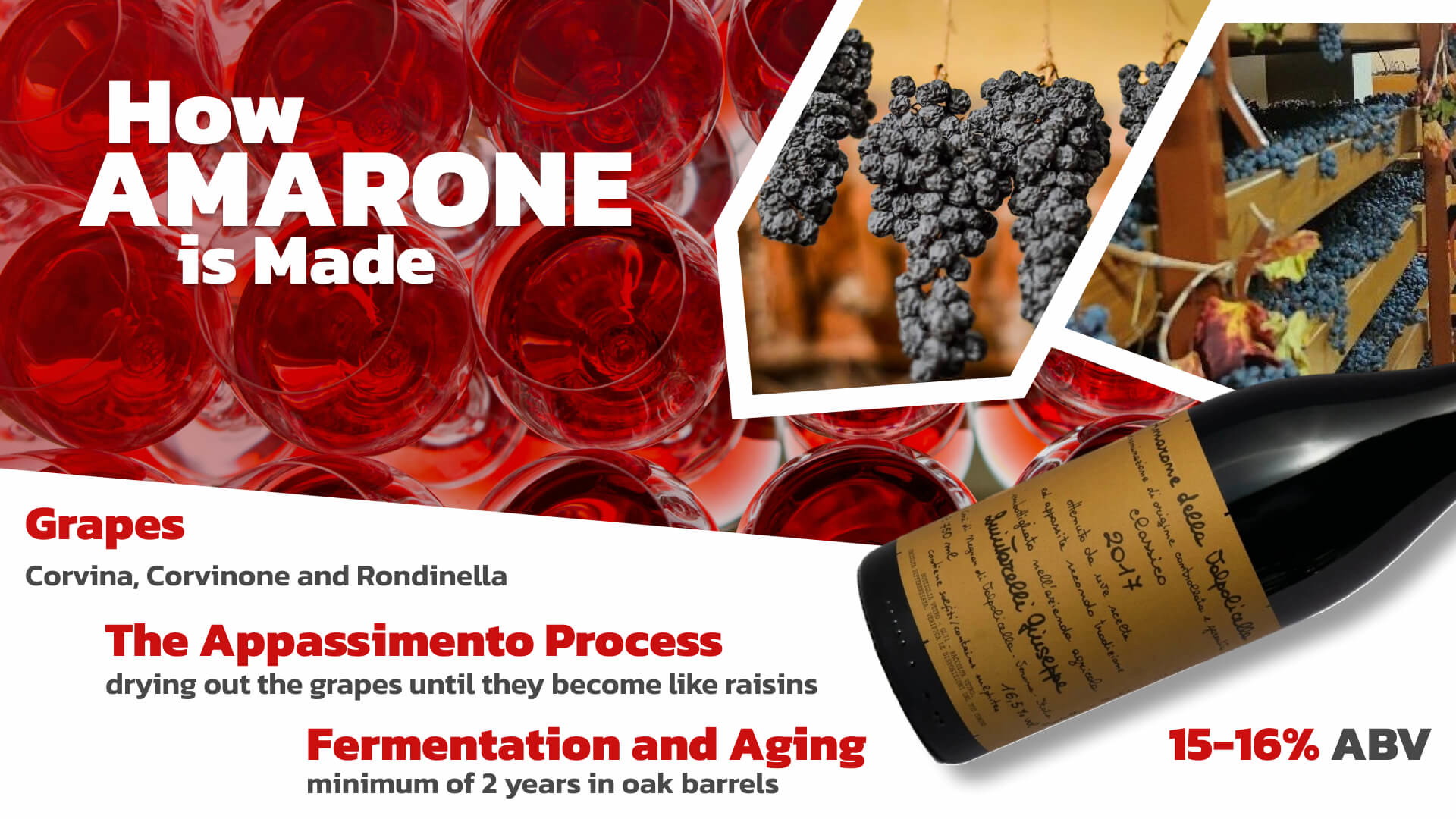
The process of making Amarone begins by selecting the best quality grapes which will be left to dry out over winter. Corvina is the backbone of Amarone and under the regulations of the DOCG it must be blended with Corvinone and Rondinella. Corvina is known for its bright cherry notes, firm structure and acidity, while Rondinella brings more delicate aromatics. There are an additional 13 other indigenous varieties that can also be added if desired.
The Appassimento Process
Next comes the signature practice of “appassimento” or drying out the grapes until they become like raisins. After the harvest the grapes are carefully spread out or hung in dedicated drying rooms called “fruttai” over the winter. The aim is for the fruit to lose around 50% of its water content, resulting in higher sugar and flavor concentration.
Fermentation and Aging
Fermentation happens more slowly than for regular wines due to the higher sugar concentration. This also helps to extract plenty of intense flavors from the grapes, creating a powerful Amarone wine with an elevated alcohol level of 15-16% ABV.
Standard Amarone must then be aged for a minimum of 2 years in oak barrels or 4 years for Amarone Riserva. Winemakers are free to use either traditional large Slavonian oak casks or more modern French barrels which add more complexity and toasty spice notes. The final part of this lengthy process is a short period of bottle aging to fully integrate all those complex flavors.
Typical Amarone Characteristics & Tasting Notes
Appearance
The first thing you’ll notice about Amarone is the inky garnet-red hue in the glass which becomes more ruddy or brick-red as the wine ages. If you give the wine a swirl you’ll also notice significant “legs” or the trail the wine leaves as it runs down the glass. This is an indicator of Amarone’s higher alcohol content compared to many other red wines.
Flavors and Aromas
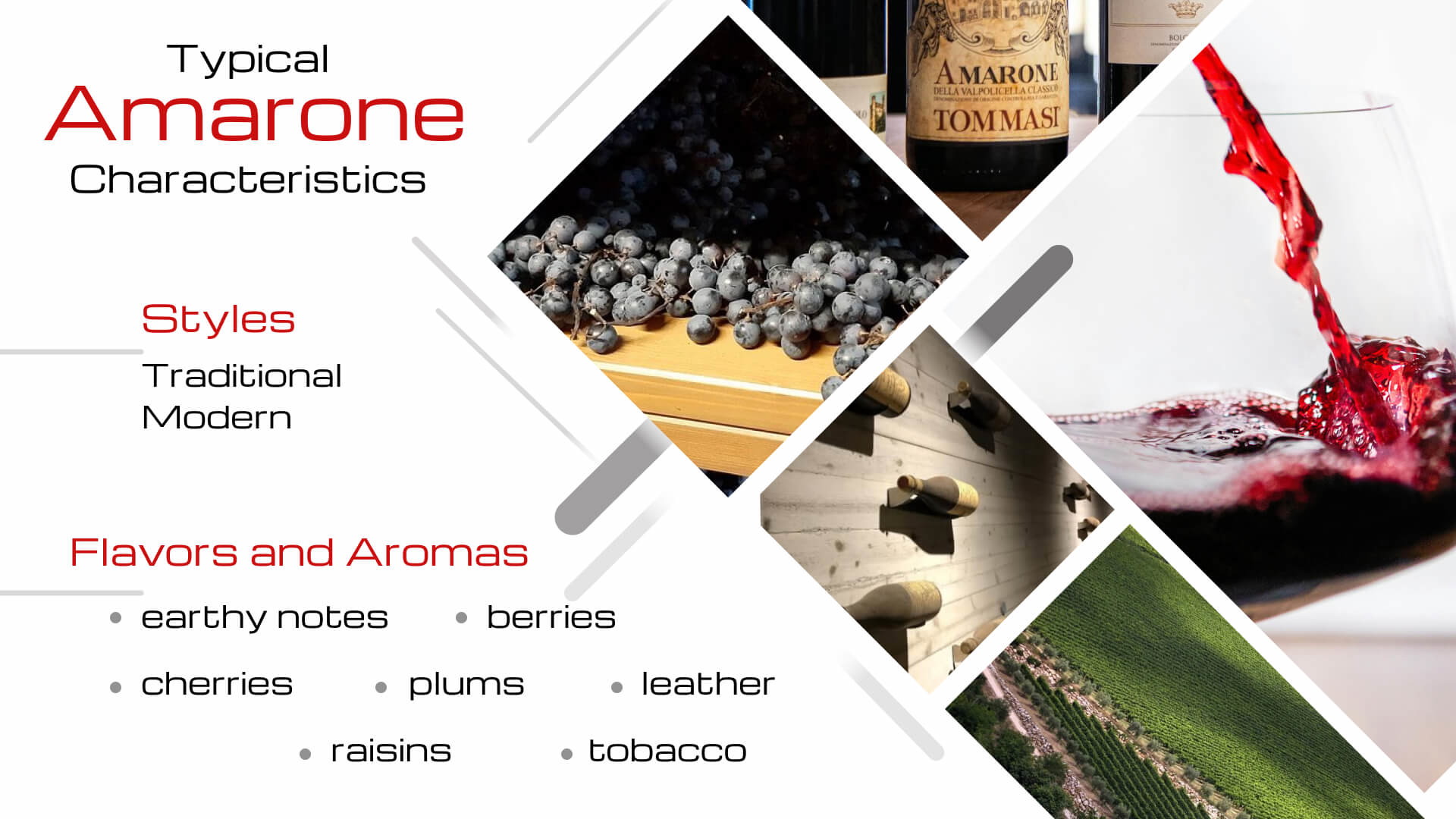
Amarone wines are known for their intense aromas and flavors which include plenty of ripe fruit and deeper spiced and earthy notes. Expect lots of opulent cherries, berries, and plums as well as notes of dried fruit like raisins and dates from the appassimento process. Mature wines can develop pleasant notes of tobacco, earth and leather which complement the spice from the oak aging.
These powerful wines typically have an alcohol content of 15-16%, a well-structured full body, and firm tannins. In high-quality Amarones these features are balanced by a vibrant freshness which helps the wine age beautifully in the cellar. Most Amarones require cellaring for at least 5-10 years until they reach their prime.
Traditional vs. Modern Styles of Amarone
Over the years two distinct styles of Amarone della Valpolicella have emerged as winemaking techniques and equipment have evolved.
-
Traditional: More traditional winemakers still follow the old ways of only using the classic Amarone grape varieties, drying their grapes over the winter and aging their wines in large neutral oak or chestnut casks. These wines tend to retain more acidity, can age for longer in the cellar, and also require more aging before they reach their prime.
-
Modern: Newer styles of Amarone are typically aged in new French oak barrels and the grapes are often dried faster in carefully-controlled rooms. They may also include up to 25% of international grape varieties like Cabernet Sauvignon or Merlot. These modern Amarones tend to be richer and heavier in style with lots of opulent fruit and spiced notes.
Amarone Buying Guide
The best place to begin exploring Amarone wines is to understand the two broad styles you’ll find on the shelves.
The Classic Amarone Families
-
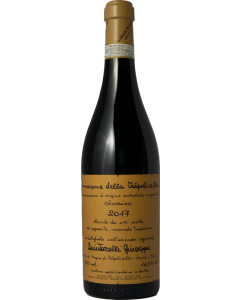
Quintarelli Amarone della Valpolicella Classico: This is easily the most famous example of classical Amarone from the legendary Quintarelli family. These wines are made using traditional methods and are known for their incredible depth and longevity. Their Riserva Amarones are aged for at least a decade in Slavonian oak casks and their regular Amarone for at least 8 years.
-
Brunelli Amarone Campo Dei Titari Riserva: The Brunelli family are also Amarone royalty, having lived in Valpolicella at least as far back as the 18th century. Their flagship Amarone wine is a careful composition of local Corvina, Rondinella, and Oseleta varieties which the family makes only in the very best vintages in limited quantities.
-
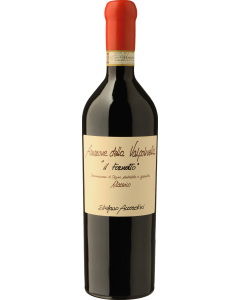
Stefano Accordini Amarone Fornetto: Stefano’s Amarone Fornetto has proven itself amongst Valpoliella’s most prestigious and internationally recognized wines. Made in a traditional style, this is a great wine that has a long life ahead of it.
-
Other outstanding traditional producers include Tomassi and Bertani which are both benchmark wines for classic Amarone

A Modern Take on Amarone
-
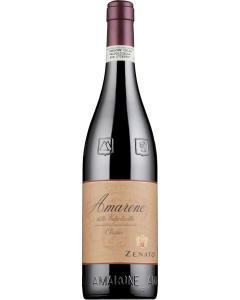
Zenato Amarone della Valpolicella: The Zenato family has been making wine on their Valpolicella estate for over 60 years. Their modern style of winemaking with a shorter period of aging in casks creates a more opulent Amarone rich with dark cherry and sweet spice along with silky smooth tannins.
-
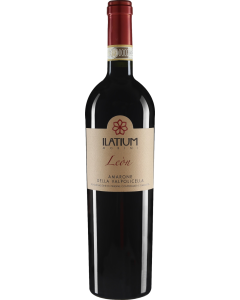
Ilatium Morini Campo Leon Amarone della Valpolicella: This powerful Amarone is made by a viticultural team of 7 brothers and cousins from the same family. Their flagship wine is made according to traditional appassimento methods followed by aging in French and American oak barrels to create a bold, modern-influenced style of Amarone.
Under-the-Radar Amarones
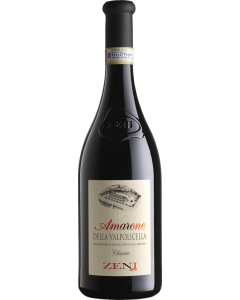
In addition to the big names there are many lesser-known producers making spectacular Amarones under the radar. Great examples include the Zeni family who have been making wine by the eastern shore of Lake Garda since 1870. Their Zeni Amarone della Valpolicella is made in a very classic style with 2-3 years of aging in 50 litre casks.
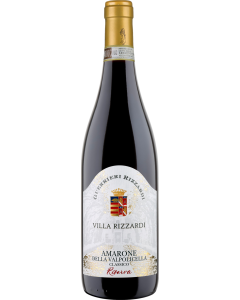
In contrast, the Rizzardi family prefer to adopt a hybrid approach for their Villa Rizzardi Amarone Della Valpolicella Riserva which spends 12 months aging in small oak barrels followed by 24 months in large casks. This innovative blend of traditional and modern helps create a superbly balanced yet powerful wine that offers incredible value for money.
Other top picks include the Sartori di Verona Corte Bra Amarone della Valpolicella Classico Riserva made by the fourth generation of the Sartori family to work this estate. In this case the wine is carefully aged for 5-6 years to soften the punchy tannins and add polish.

The Best Vintages for Amarone
The great Amarone wines are usually best drunk at least a decade or two following the harvest, depending on the character of the vintage and how the wine has been made. Here’s a quick rundown of the best Amarone vintages over the past couple of decades:
-
2019 was one of the best years in recent decades for aging potential, complexity, and balance. The cool and rainy spring and warm summer allowed the grapes to develop and ripen slowly, retaining plenty of freshness and poise.
-
2016 was another excellent year with a cool spring, moderately hot summer and pleasant autumn temperatures. Some producers had issues with mildew due to the humidity, but those who were able to successfully handle the conditions created deep, robust wines that will age beautifully.
-
2015 saw especially low rainfall from June onwards and above average temperatures which caused early ripening and very healthy grapes. These wines are similar to 2016 in style with plenty of intensity and power, firm tannins, and excellent aging potential.
-
2012: These are opulent wines thanks to dry, hot conditions over summer and an earlier harvest with strong yields. Alcohol content tends to be on the high side, but this is balanced by freshness and ample fruit.
Why Amarone Deserves a Place in Your Collection
Amarone is a truly legendary Italian wine that deserves a place in everyone’s wine collection. The best examples from the likes of Quintarelli can age for decades in the cellar, while more modern styles are the ideal accompaniment for special occasions or a delicious meal with loved ones.





First time I have used this company and I doubt it will be the last.