


You don't need to be a wine expert to know that Burgundy is the land where Chardonnay best expresses its potential, in an incomparable natural environment. This prestigious wine region, located in central-eastern France, produces some of the most coveted Chardonnays in the world.
Within Burgundy, the most renowned area for white wines is the Côte de Beaune, which encompasses some of the most prestigious appellations in the entire country.
Today, we'd like to introduce you to two of these appellations to understand how terroir (the combination of soil and climate conditions that make a place unique) plays a fundamental role and how it is recognizable in the wines we love so much.
MEURSAULT: The Extraordinary Richness of the Terroir
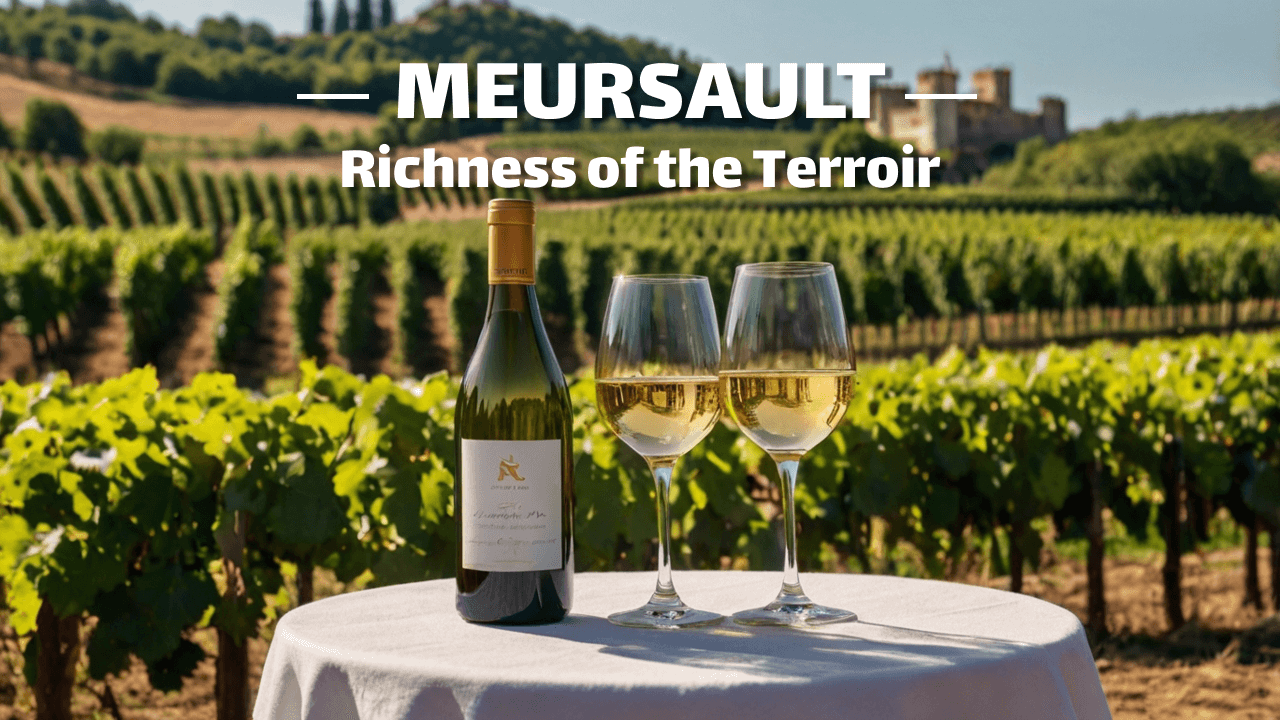
The history of this part of Burgundy, whose vineyards span approximately 380 hectares in the "Village" appellation and around 100 hectares in the "Premier Cru" appellation, has its roots in ancient Roman settlements. Even today, this appellation retains a multifaceted character, thanks to a terroir of great geographical and topographical complexity.
Nestled between the Volnay AOC appellation to the north and Puligny-Montrachet to the south, the region includes 17 Premier Crus and several "Village" appellations. Although red wine production is limited (no more than 2-3%), Chardonnay reigns supreme.
The vineyards are distributed at altitudes ranging from 220 to 300 meters above sea level and with varying degrees of slope depending on the plot. The soils reveal a varied composition, including marl, limestone, and dark clay enriched with ferrous oxides. The geological age of these soils ranges from the Middle Jurassic to the Callovian and Bathonian.
This great diversity gives Meursault wines refined mineral nuances and complexity. Meanwhile, the continental climate, characterized by good temperature ranges, guarantees freshness and acidity.
A TASTE OF MEURSAULT
Meursault wines display an expressive aromatic character. They are rich, smooth, and supple, but never opulent. Buttery aromas intertwine with those of hazelnut. And the minerality derived from the soil lends them elegance and balance. Their composition gives the wines breadth and richness, with a velvety, buttery mouthfeel, often associated with the signature of the commune.
The best way to understand the exceptional unique character of this region is by tasting its wines.
Chateau de Meursault Meursault du Chateau
Meursault du Château is a wine of exceptional quality and seductive appeal, revealing all the finesse, richness, and longevity typical of this extraordinary region. The brown limestone-clay soils and east/southeast exposure contribute to a rich, supple wine with a distinct minerality and elegant aromatic persistence. Fermentation and maturation in wood impart subtle, fine spicy and smoky notes that blend perfectly into the long finish.
This is a must-have from the appellation, ideal for special occasions, produced by an ancient winery boasting a tradition spanning over 1,000 years.
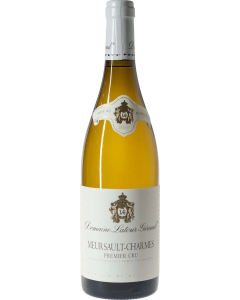
Domaine Latour-Giraud Meursault Premier Cru Les Charmes
Les Charmes is one of the 17 Premier Crus in the Meursault wine region, and the wine from Domaine Latour-Giraud, a family estate with centuries-old traditions deeply rooted in the region, expresses all the sensual richness that characterizes this area.
The typical marl and limestone soils lend concentration and depth, while fermentation and maturation in oak add roundness and a buttery touch. It is an elegant, supple, and very long-lived wine that can also be enjoyed today, paired with veal ossobuco or a foie gras escalope.
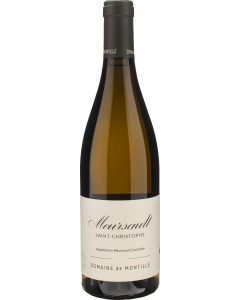
Domaine de Montille Meursault Saint Christophe
The historic Domaine de Montille winery produces wines in both the Meursault and Puligny appellations, offering a splendid insight into the differences between the two terroirs. Specifically, the Chardonnay grapes for their Meursault Saint Christophe come from the two sites, Les Casse-Têtes and Les Petits Charrons, in the heart of the Meursault hill.
The result is a complete and balanced wine that reveals the minerality of the Les Casse-Têtes soils and the richness of Les Petits Charrons. Aging partly in oak and partly in stainless steel also contributes to this perfect balance between liveliness and roundness.
PULIGNY MONTRACHET: The World's Pinnacle of Quality for White Wine
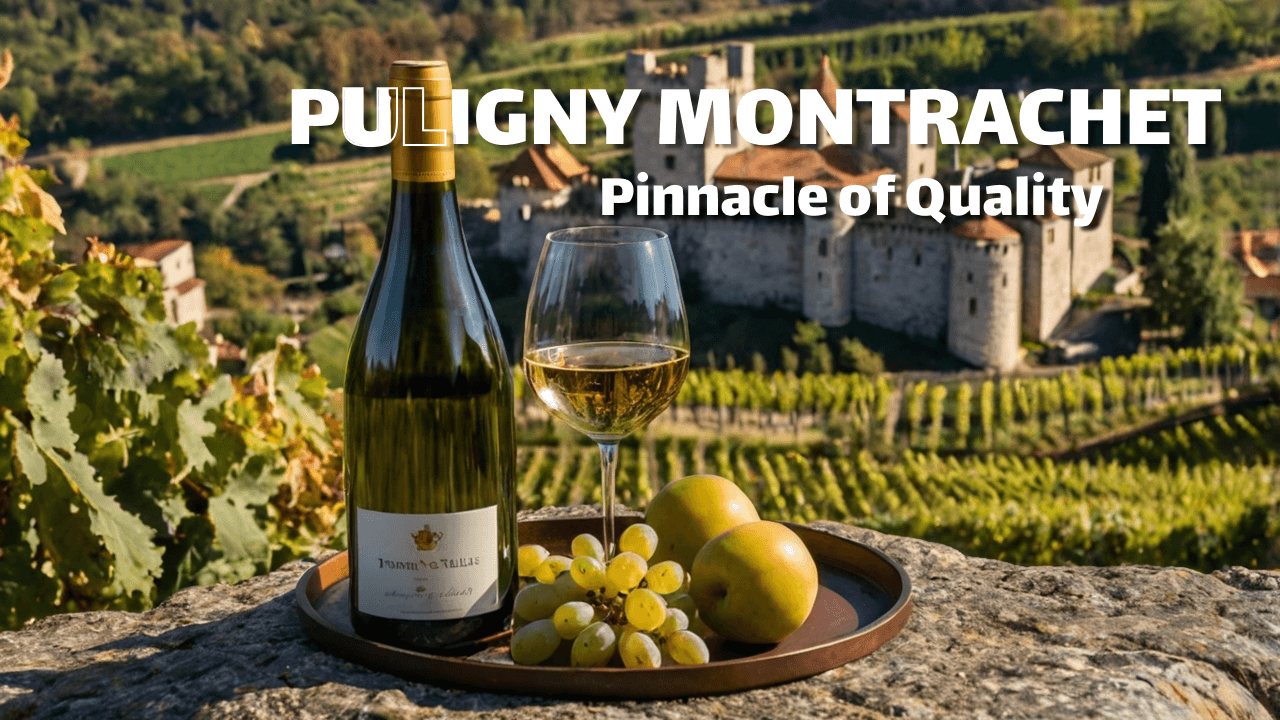
The Puligny-Montrachet appellation benefits from stony, well-drained soil on thin layers of limestone with crinoids, producing crisp, minerally, and full-bodied white wines. The Puligny-Montrachet appellation represents the pinnacle of quality white wine production in Burgundy, boasting unique terroirs with distinctive characteristics.
The first documentary references and significant evidence of vine cultivation in this area date back to the 12th century, when the place was called Puliniacum. At that time, Benedictine monks planted the first vines in nearby Blagny.
Today, the Puligny vineyards extend over just over 300 hectares, of which approximately 114 hectares are classified as Premier Cru and approximately 21 hectares as Grand Cru. Most of the appellation's vineyards enjoy a very favorable microclimate, with the hillsides of Châtelet de Montmalin and Mont Rachet protecting the vines from continental winds.
Geologically, the northern area, cooler and higher (about 320 meters), is dominated by calcareous marl from the Bathonian period. The central area, however, is more complex, still predominantly marly, but also features gravel, rocky outcrops, and various layers and types of clay. Finally, in the southernmost part of the denomination, the vines are planted on brown calcareous soils, characterized by Pliocene clay.
A TASTE OF PULIGNY-MONTRACHET
The iconic white wines of Puligny Montrachet are generally characterized by a surprising intensity of flavor, excellent longevity, and refined elegance, with hints of minerality as sharp as a steel blade. These wines are taut, deep, and racy and yet graceful. These unique and distinctive characteristics make them highly recognizable.
Somehow, it can be said that Puligny marks the transition between the power of Meursault and the straightforward elegance of the southern terroirs. Let’s have a look at some of the most iconic wines from the area.
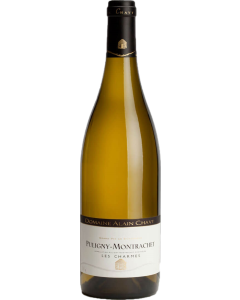
Domaine Alain Chavy Puligny-Montrachet Les Charmes
The Lieux-Dit Les Charmes in Puligny Montrachet is located right on the border with the eponymous Premier Cru in Meursault. Here, Domaine Alain Chavy owns a vineyard approximately 30 years old, on soils rich in clay and limestone that produce a complex, full-bodied, and elegant wine.
Puligny-Montrachet Les Charmes from Domaine Alain Chavy has a broad aromatic profile where fruity notes intertwine with spicy accents from oak aging. But the most striking character is the linear minerality that extends into the long finish. It's a wine to keep in the cellar or enjoy immediately with white meat, shellfish, or lake fish.
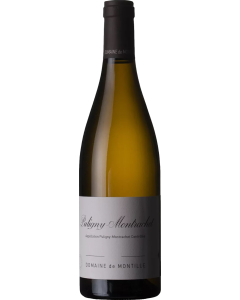
Domaine de Montille Puligny-Montrachet
The Puligny-Montrachet Domaine de Montille is a refined yet approachable wine, revealing the full potential of its terroir. The estate, which has been practicing organic farming for about 30 years, harvests the grapes for this wine from three exceptionally valuable sites: Les Chalumeaux, Les Levrons, and Boudrières-Nosroyes.
It is a vibrant and fragrant wine, with a mineral, almost saline touch and a remarkable concentration on the palate. It is fresh, fruity, and capable of aging beautifully for at least two decades.
Francois Carillon Puligny-Montrachet Les Enseignieres
Puligny Montrachet Les Enseignieres reveals all the minerality, freshness, and clarity of this appellation. It is a wine of exceptional quality that can rival a premier cru.
The clay and limestone soils and the oak vinification produce a rounded and intense wine with a broad aromatic profile where mineral notes alternate with those of exotic fruit and citrus. A wine that represents the quintessential Puligny.

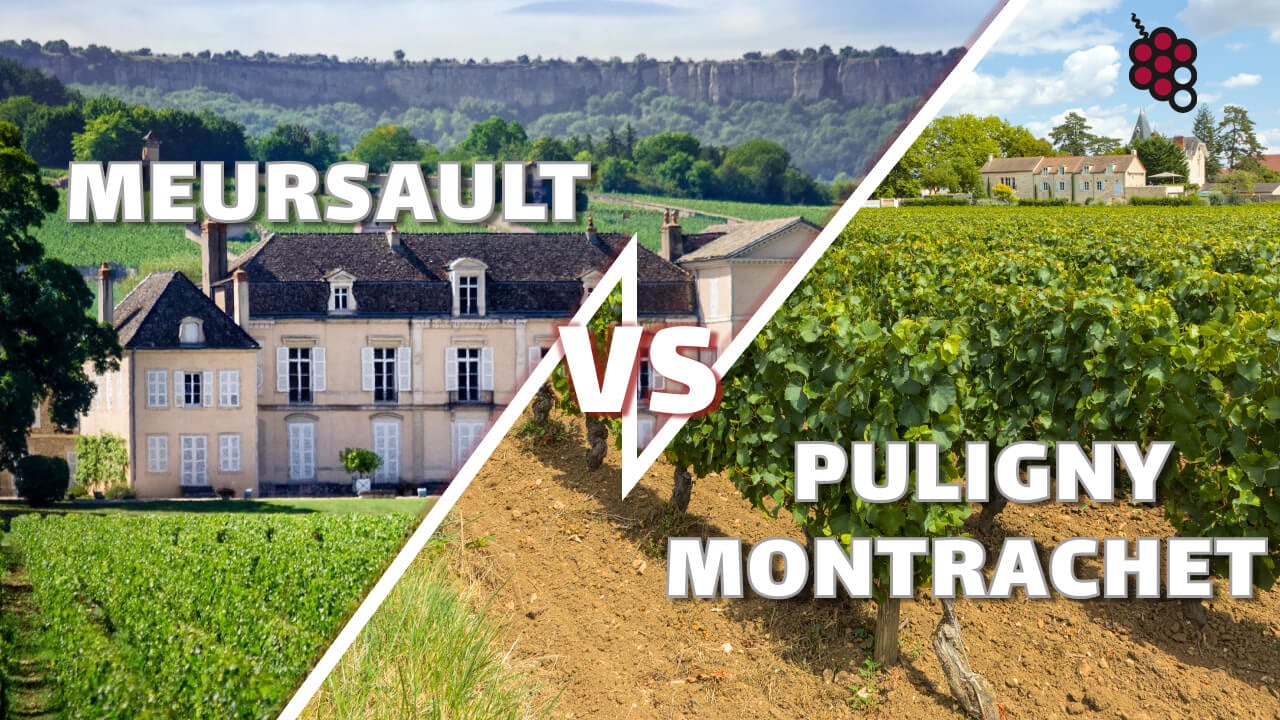
MEURSAULT vs PULIGNY MONTRACHET: So Close and yet so peculiar
The friendly comparison between Meursault and Puligny-Montrachet has always fueled discussions among Chardonnay connoisseurs and enthusiasts. On one side, there are lovers of buttery white wines; on the other, those who prefer leaner, more full-bodied Chardonnays.
Because the most exciting thing is Chardonnay's extraordinary ability to take on radically different forms in the space of just a few hundred meters.
The soils play a key role in the diversity of these wines. While Meursault's substratum, composed of Bajocian limestone enriched with iron oxides, retains heat, ensuring slower ripening of the grapes, in Puligny-Montrachet, the more compact marls retain moisture, promoting a chalky minerality often described as notes of rubbed flint.
Aromatically, the resulting wines immediately reveal a clear difference. The Chardonnays from Meursault exhibit a distinctive toasted hazelnut note, quite rare in Puligny, which is instead more floral and fresh. On the palate, the creamy texture of Meursault is clearly distinct from the leaner, more linear, and assertive structure of Puligny, which reveals a distinct and recognizable chalky flint note on the palate.
So, what are you waiting for? It's definitely time to pick up a couple of bottles and taste the differences for yourself!





Verpakking kan beter. Gelukkig alles nog intact. Zeer vlotte bestelling en levering.