



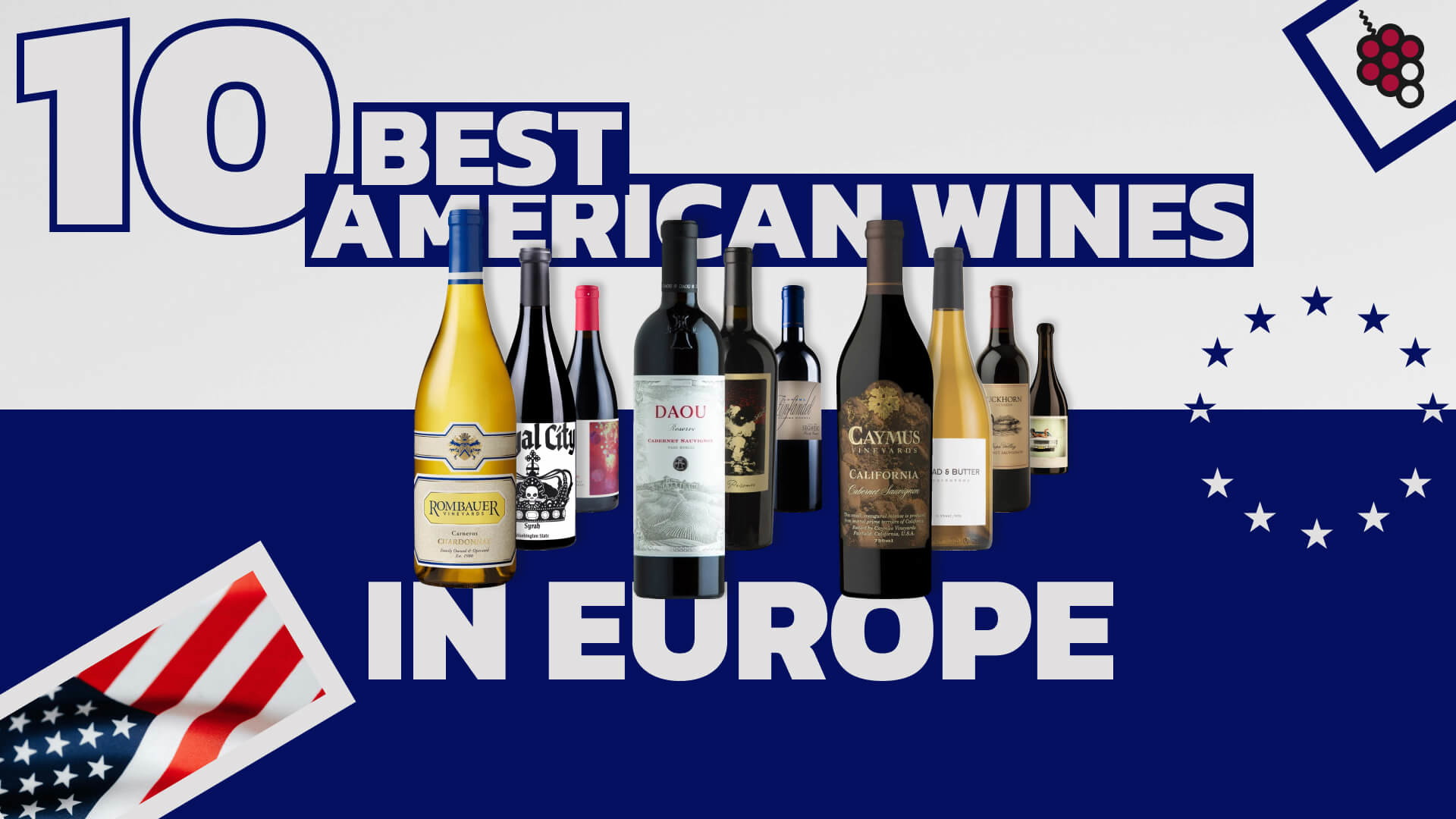
Once looked down on as inferior to the great wines of Europe, American wines are enjoying a surge in popularity. While many European regions have strict regulations intended to ensure quality and preserve traditions, American winemakers have great freedom to experiment and innovate. This has created a bumper crop of delicious new wines that are unlike anything Europe has to offer.
But unless you know where to look, getting hold of these world-class wines can be tricky in Europe. Many wine shops either don’t stock American wines or they only buy from very large wineries that export in bulk. Finding quality American wines takes a little bit of knowledge and insight. In this guide we’ll cover everything you need to know about sourcing American wines and a curated selection of the top 10 American wines you can buy in Europe right now.
The Judgement of Paris
Historically Europeans were often dismissive of American wines, regarding them as inferior to prestigious European wines like Bordeaux, Burgundy, and Rioja. European winemakers could call on thousands of years of tradition and winemaking experience, whereas American wine was regarded as the unproven upstart. Access to American wines was also extremely limited due to low demand and the difficulties of transporting quality wines over long distances.
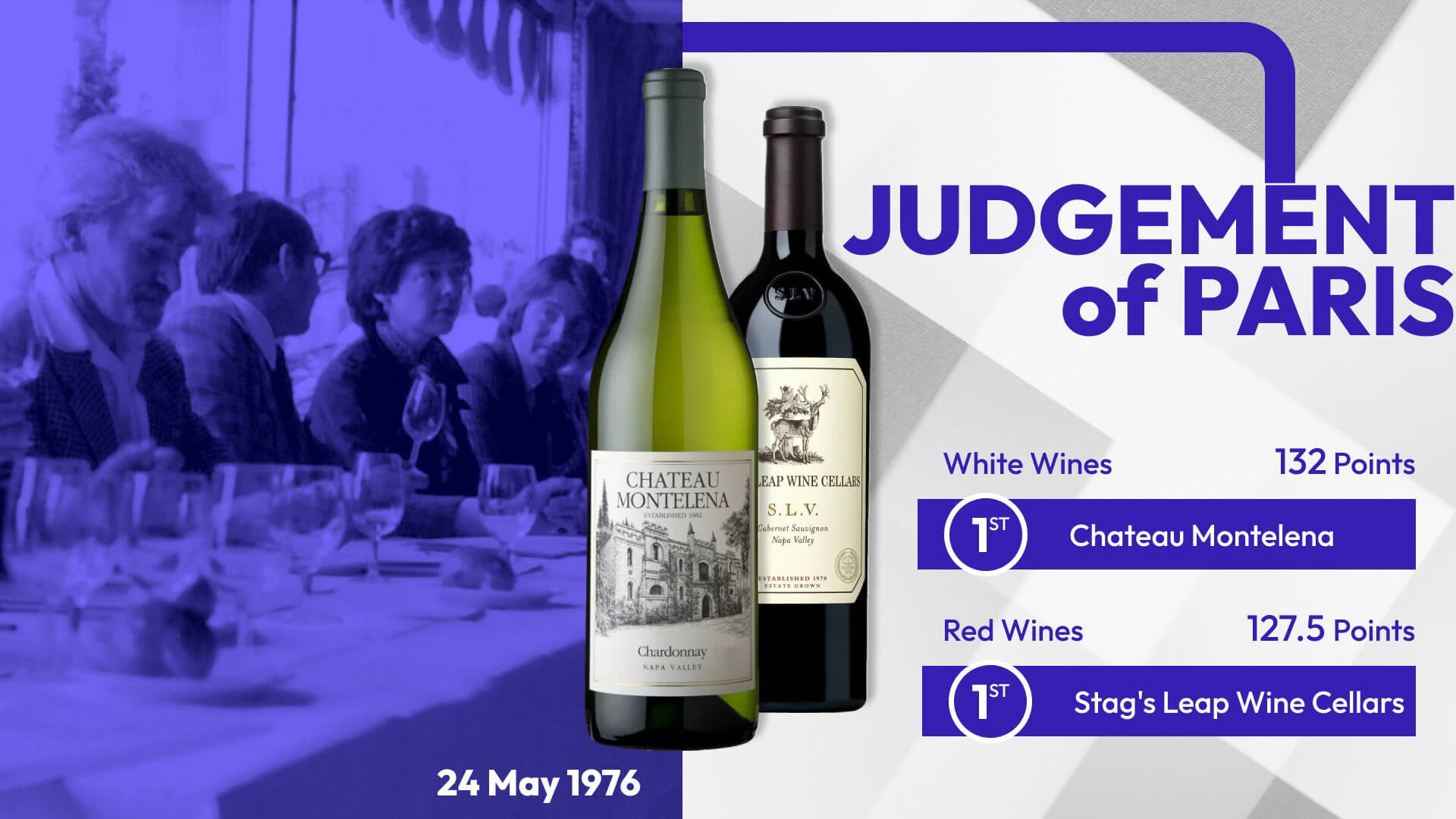
That would all change in 1976 with the “Judgement of Paris”. Several cunning American winemakers entered their wines in a blind tasting competition, beating their French counterparts for the top places. The best white Burgundies of the time were put in their place by the Chateau Montelena Chardonnay.
For the reds Stag's Leap Wine Cellars Cabernet Sauvignon took first place above both Château Mouton-Rothschild and Château Haut-Brion. The results sent shockwaves through the wine world, proving that US wines were just as good as anything Europe had to offer.
Current Trends
American wines still aren’t as well known in Europe as local wines, but both quality, reputation, and availability have improved drastically in the last few decades. Many US wineries have moved away from mass production and developed impressive winemaking expertise. In recent years tastes in Europe have also changed, with wine drinkers becoming more adventurous and enjoying richer, fuller-bodied styles of wine. Many have embraced New World-style wines from countries like the United States which emphasize rich fruit and plenty of oak influence.
Shaped by Freedom and Innovation
If European wines are defined by tradition and terroir, American wines get their character from freedom and innovation. American winemakers have far greater flexibility to try new grape varieties, blends, and winemaking techniques since they are not bound by strict PDO requirements as in Europe. And the American wine industry is more willing to invest in cutting-edge equipment and experimental techniques.
The US is also blessed with huge diversity when it comes to terroirs. Napa Valley offers a warm Mediterranean-style climate, while Oregon is superb for making cool climate Pinot Noir. Beyond the established regions this young winemaking nation is constantly exploring and discovering new areas with great viticultural potential. The sheer variety of terroirs allows for bold and novel expressions of classic grape varieties.
These unique features of the US wine industry mean that American wines have their own individual characters that can stand alongside the greatest European wines as equals.
Key American Wine Regions and Their Signature Styles
California
California is the most important state for American wine since it produces nearly 85% of the nation’s bottles and offers a huge variety of terroirs.
Napa Valley
Napa Valley is a household name in Europe for its blockbuster Cabernet Sauvignons and Zinfandels which are usually powerful full-bodied reds with opulent fruit flavors. There is also strong influence from the Old World here. Many producers craft Bordeaux-style blends using classic French grapes like Cabernet Sauvignon and Merlot. These wines tend to be more powerful and opulent than their French cousins. Buttery California Chardonnay is the most popular style for white wine.
Caymus is a must-try Napa Cabernet with a reputation for excellence. The first bottle was made back in 1972 by Chuck Wagner who founded the estate in Rutherford with his parents. Their Cabernet Sauvignon grapes are selected from vineyards planted on stony, low-fertility soils with high planting density where the micro-climate conditions are moderately warm to help ensure full ripeness and great concentration.
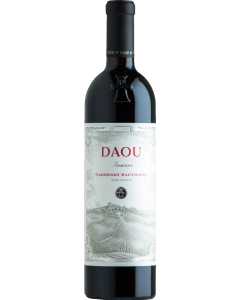
The DAOU estate in Paso Robles was once described as “a jewel of ecological elements” by top California winemaker André Tchelistcheff. Georges and Daniel Daou selected this corner of Paso Robles for its unique combination of Napa-like climatic conditions and soils which are rich in limestone like many of France’s top vineyards. They are ideal conditions for crafting this Reserve wine made with fruit from vineyards which sit at 2200 feet of altitude. This elevation helps to preserve balancing freshness in the finished wines as well as ensuring the development of intense, concentrated flavours and aromas.
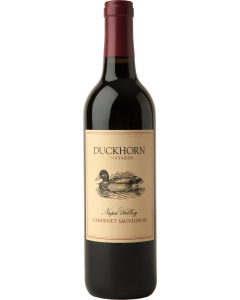
Duckhorn is another iconic Napa estate that never does anything by halves. This elegant Cabernet is consistently rated over 90 points by the world’s top wine critics for how it captures both the natural beauty of the varietal and the essence of the terroir which gave it life. Duckhorn source the grapes for this wine from their own prime Napa vineyards and carefully selected partner growers in the valley.
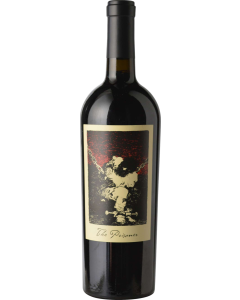
The Prisoner is another cult wine amongst American wine lovers thanks to its reputation for excellence and consistency. A blend of Cabernet Sauvignon, Zinfandel, Petite Sirah, and Syrah, the inspiration for this mix stems from the Italian immigrants who originally worked the lands of Napa Valley. Back then the blend was referred to as the “mixed blacks” and consists of a collection of the darkest grapes grown in the area.
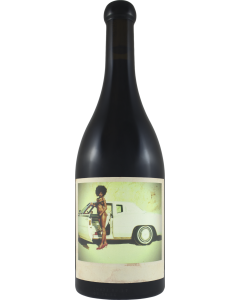
David Swift Phinney fell in love with wine on a trip to Florence, Italy, and later worked as a temporary harvester for Robert Mondavi Winery before starting Orin Swift Cellars in 1998. Today his wines rank as some of the most innovative and well-made bottles in the whole Napa Valley. The name Machete was chosen by Phinney to reflect his ambition to create a groundbreaking Petite Sirah blend from Napa. Composed of predominantly Petite Sirah along with modest quantities of Syrah and Grenache all sourced from prime vineyard sites, this wine is aged in French oak for 10 months to reveal a varietal character that is simultaneously robust and elegant.
Bread & Butter produce this textbook buttery Chardonnay which epitomises the classic oaky California style. The whole ethos of the estate is centred around this delicious style of wine; “Bread” referring to frequent use of oak barrels ageing and “Butter” to the use of malolactic fermentation which creates the creamy character. The grapes for this bottling are sourced from two vineyards in two of California’s top appellations, Monterey and Carneros. If you have never tried classic California Chardonnay before, this is a great place to start.

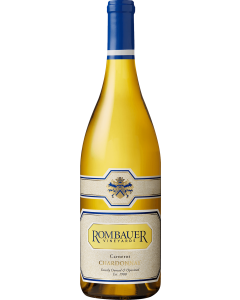
Koerner Rombauer and his family have helped shape the trend for buttery Chardonnay since 1982, recognising that the cool climate and clay-based soils of California’s Carneros region offered ideal growing conditions for the grape. They ferment and age this wine in oak barrels to give the trademark creamy texture and rich oaky flavours that are today the calling card of most California Chardonnays. The winery also does lees stirring every two weeks to add extra complexity and an even creamier mouthfeel to the wine.
Sonoma County
More moderate temperatures are found closer to the coast, including Sonoma County which is famous for its Pinot Noirs from the Russian River Valley that tend to be richer in style than their Burgundian cousins. Zinfandel is another popular grape here where the cooler climate tends to create a softer, more balanced wine than warmer Napa sub-regions.
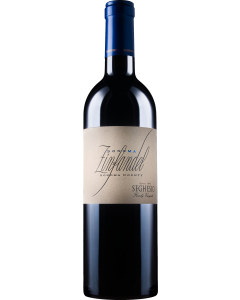
The Seghesio family have been making wines here in Sonoma ever since 1895 when Edoardo Seghesio planted their first Zinfandel vines in Alexander Valley. The estate is now in the hands of Pete Seghesio and his cousin Ted Seghesio who have helped put it on the map for sensational value Zinfandel. The vines for this bottling come from estate vineyards in Dry Creek and Alexander Valley with careful management of yields to ensure excellent quality.
Oregon
Heading north we come to Oregon where cooler climate regions offer prime growing conditions for Pinot Noir. Many of the best examples come from the Willamette Valley and boast plenty of freshness as well as attractive earthy notes. Oregon is also known for elegant white wines including Riesling, Pinot Gris, and Chardonnay.
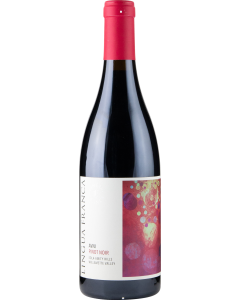
Lingua Franca is set in the Eola-Amity Hills wine region of the Willamette Valley and specializes in Pinot Noir and Chardonnay. For many years it was owned by Master Sommelier Larry Stone who put the focus on low-impact and sustainable viticulture that delivers exceptional quality. The Pinot Noir grapes used for this wine are grown according to organic and biodynamic principles with hand harvesting and spontaneous fermentation. The finished wines rest for 1 year in French oak barrels (27% new) before final blending.
Washington State
Washington’s Columbia Valley is the state’s most distinguished wine region thanks to the extended growing season with warm summer days and cooler nights. Spicy Syrah and opulent Merlot dominate here, with most red wines showing full bodies, ripe tannins, and a well-built structure.
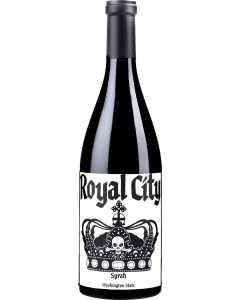
Averaging an exceptional score of 99 from major wine critics like Robert Parker over the last 10 vintages, this Syrah is the one to try if you’re curious about top-notch Washington wines. Syrah has been winemaker Charles Smith’s signature grape since his very first vintage in 1999. The self-taught winemaker fell in love with wine while touring Europe as a tour band manager and later returned home to Washington State to start making his own. This particular Syrah was first released in 2006 and takes its name from the nearby town of Royal City. The very first vintage was awarded 100 points by Wine Enthusiast magazine, the first perfect score ever to be awarded to a Washington State wine. Ever since then it has been a cult favourite for Syrah lovers all over the world.
Tips for Purchasing American Wines in Europe
If you’re craving a taste of Napa Cabernet or buttery American Chardonnay, it can be tricky to find good quality American wines in Europe. Here are our expert tips.

Choose Well-Established Importers and Retailers
American wines aren’t so well known in Europe, so it’s a good idea to look for well-established wine shops that have a solid track record of importing high-quality wines from all over the world. These retailers have carefully selected every wine they put on their shelves because they genuinely believe it is a good wine that their buyers will like. 8wines has a particularly strong collection of American wines with almost 400 different bottles to choose from.
Reputable sellers will also be happy to answer any of your questions and make personalized recommendations. Buying wine online has its advantages since you can easily compare prices and check reviews from major wine critics like Robert Parker and James Suckling.
American Wines Are Labelled Differently
There are some differences between how American and European wines are labelled that can be confusing at first glance. European wines are predominantly organized based on specific geographical appellations known as Protected Designations of Origin (PDO) and Protected Geographical Indications (PGI). Examples include Bordeaux AOC, Barolo DOCG, and Vin de Pays d’Oc IGT. Grape varieties are rarely explicitly mentioned on the label.
In contrast, American wines tend to emphasize the grape variety and the broader wine region such as Napa Valley Cabernet Sauvignon. This can be helpful if you’re looking for a specific variety, but you’ll need to do a bit more digging to find out exactly where the wine is from. There is no equivalent US system for PDO or PGI.
Those who are very sensitive to sulfites should note that American wines always have a “Contains Sulfites” label if they are present. In Europe it is only required if levels exceed 10 mg/L.
Pricing & Availability
Finally, prices for American wines tend to be a little higher in Europe due to import duties and transportation costs. Options are also limited since many smaller US wineries don’t export to Europe. It can be hard to track down specific brands or vintages. On the flip side, reputable importers select quality wines that they are confident their buyers will enjoy. So you can be sure of finding delicious wines from established US wineries that deliver good value for money.






Very fast delivery. Faster than I have expected. Broad selection of wines. Ordering and everything around the process was smooth. The only remark I will make is, that I am missing selection of boxes or packages that I can put bottles into as present. I had to look for other eshop offers to cover this need. So area for improvement.