



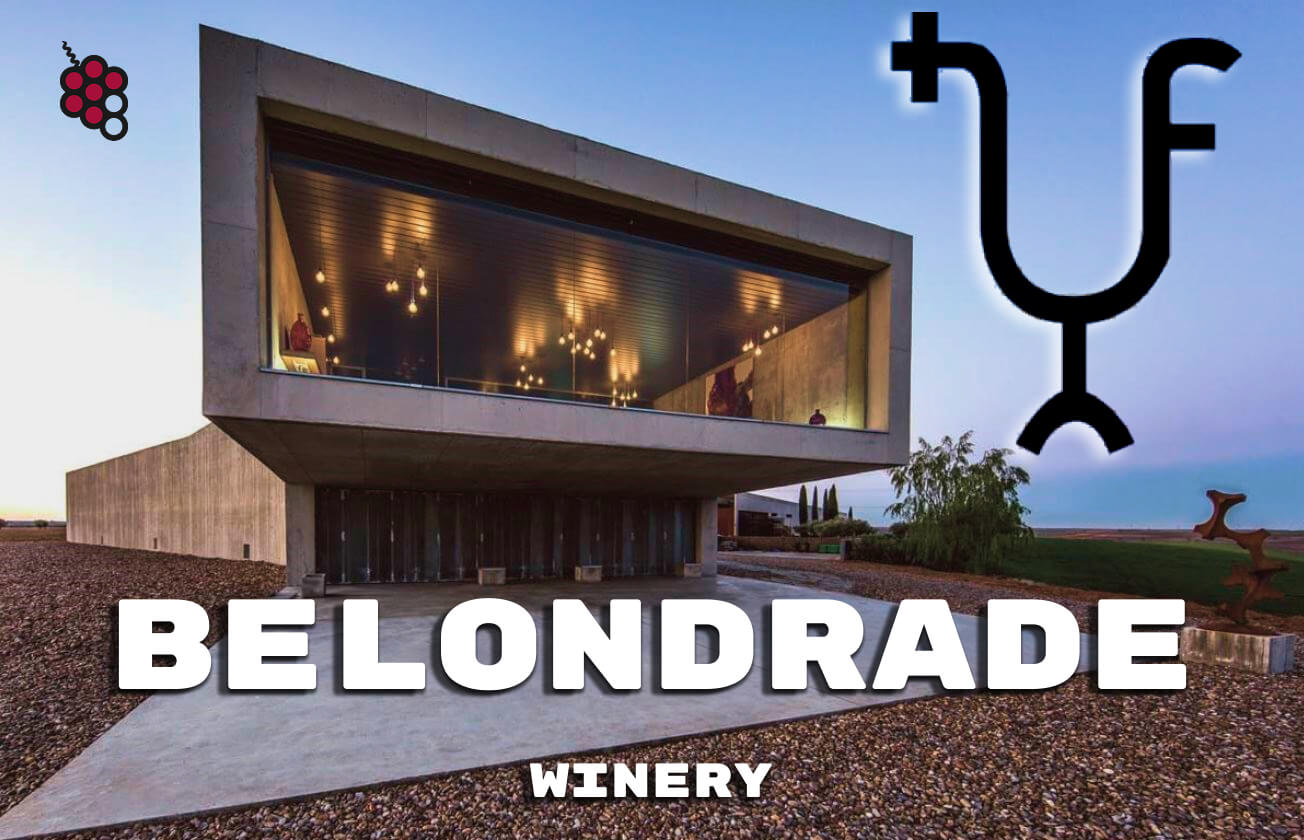
In the arid heart of Iberia, a Frenchman named Didier Belondrade has been creating a selection of stunning Verdejo. Belondrade, his winery, was founded in 1994, when Didier moved from his native Montauban to Rueda, a village just outside of Valladolid. He brings a sense of Burgundian precision to Spain’s heartlands - a broad region that is often overshadowed by the Iberian peninsula’s more famous wine-making locations, located in the fringes: Galicia, Rioja, and the Dao Valley in neighbouring Portugal.
In this article, we have some deep-cut recommendations from this underrated producer. Read on if you’re a fan of white wine, unheard-of Spanish regions, or grapes that have been underestimated for far too long. We’re exploring the region of Rueda, and Belondrade’s collection of expressive, cellar-worthy wines that are certain to defy your expectations for Spanish wine.
Rueda, it’s Terroir, and Belondrade

Rueda is a picture book image of Spain’s interior: a small village with quiet, red-roofed streets and church spires. Of course, it is surrounded by miles of fertile sun-browned earth, dotted with lush vineyards. It has long been known for its crisp but simple “table” white wines, but has always lacked the sense of prestige and elevation that comes with a “serious” wine-making region. Belondrade’s arrival in 1994 marked a turning point for the entire region.
Sitting at about 750 metres above sea level on the vast Castilian plateau, the vineyards rest on pebbly topsoils. The region has also been shaped by the Duero river, depositing deeper layers of clay and limestone under the topsoil. Rueda experiences a continental climate with big temperature swings - freezing winters and hot summers, which are mostly dry but never to the point of drought. This combination of soil and climate is perfect for balancing richness and freshness. This is particularly true for white grapes like Verdejo, which is native to the Castilian plateau. Didier also grows a small amount of Tempranillo on-site, which is mostly reserved for rosé wine.
Rueda whites have always been known for being affordable and simple table wines. Belondrade pushes these boundaries. The winery produces high-end, terroir-focused wines that command their drinker’s attention - and that of critics. Didier innovated in the region by bringing Burgundian methodology into his cellar. He employs techniques like fermentation in the oak barrels and ageing on the lees to native white grapes, driving towards age-worthy wines that enhance the region’s natural characteristics.
Today, Belondrade owns about 40 hectares of vineyards, split into approximately 22 plots, each with its own special soil composition. Didier has taken more of a backseat in recent years, and these are tended by vineyard manager Macario González Sánchez, and the Belondrade oenologist Félix Crespo Álvarez. The winery has also been fully organic since 2010, and uses native yeasts in all of its wines.
The Audition: Three Belondrade Wines to Try
Didier’s children have a strong presence at the winery. While Didier still works, his son Jean has become the public face of Belondrade. The winery’s vineyards are named ”Quinta San Diego”, honouring another of Dider’s sons. And our first recommendation, Quinta Apolonia, is named after Didier’s oldest daughter.
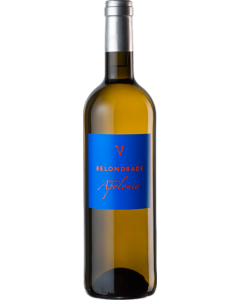
Quinta Apolonia represents a fresh approach to the Verdejo grape: it is sourced from younger vines, and partly fermented in stainless steel, partly in oak barriques to preserve the grape’s purity. Before release, it is aged on lees for 3 months. It’s an accessible and exciting wine - exactly the kind of bottle that has been drawing newcomers to Rueda in recent years. It opens with clean citrus scents, underpinned by hints of tropical fruit, such as lychee and pineapple. In the mouth, it strikes a perfect balance between elegant fruit flavours, bright acidity, and restrained hints of oak, providing some tannic structure. Quinta Apolonia is a crowd-pleaser, perfect for any dinner with family or friends. It is ideal for serving as an aperitif, or alongside a creamy vegetable soup, shellfish, and flaky white fish dishes.
However, Apolonia (the wine, not Didier’s daughter) has an older sister: Belondrade Y Lurton. This cuvée was the first vintage that Belondrade produced, initially released in 1996. It represents a pivotal point for Belondrade and the region of Rueda as a whole: the emergence of premium, age-worthy Verdejo.
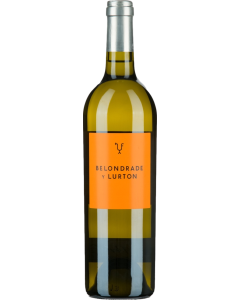
Belondrade Y Lurton is a more mature and sophisticated wine in many ways. It is fermented completely in oak, before a further 10 months ageing on the lees, adding complexity and layers of texture to the wine’s mouthfeel. Finally, it is aged for 5 more months before release, this time in the bottle. This careful process makes it a cellar-worthy Verdejo, and undoubtedly one of the finest made in Castile and Leon. It can easily be cellared over the next 6 to 8 years. In the mouth it is strikingly full-bodied, with notes of stone fruit, citrus zest, and fresh bread (gained from ageing on natural yeasts). It’s an ideal wine for cooling down on a summer’s day. Consider pairing it with seafood and pasta, or heavier dishes like creamy chicken and pork.
Now, while Belondrade was conceived in Rueda, in more recent years it has also expanded to elsewhere in Spain. Priorat is another rising region in the country’s northeast, and in 2015, Belondrade acquired an abandoned vineyard in the Priorat village of Solanes del Molar. In a departure from their typical age-worthy white wine style, the family winery also creates a brand called Nerinterra, from red grapes. The first Nerinterra was released in 2018, and it’s a classically rustic Priorat red, made from a blend of Carignan and Garnacha.
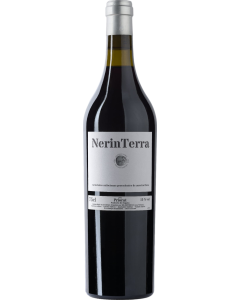
The vines in Solanes del Molar grow on soils of slate, clay, and Licorella limestone, providing wonderful warmth and mineral depth to the wine. It’s aged for one year before release, in used oak barrels. On the nose, you can find notes of dark fruits, smoke, and subtle spice. It’s both velvety and dense in the mouth, with a strong current of acidity. Look for flavours of blackberry, blackcurrant, and wild strawberry. Not only is Nerinterra a great wine for pairing with rich dishes or ageing in a cellar, it is proof of the success in Belondrade’s experimentation, and the winery’s willingness to explore Spain’s most underrated, underappreciated regions.
In Conclusion
Through their holdings in both Rueda and Priorat, the Belondrade family has shown that innovation and French-inspired technique can elevate a relatively humble grape into a benchmark of fine Spanish wine. From the flagship Belondrade y Lurton to the expressive Quinta Apolonia, the estate balances accessibility with age-worthiness. Belondrade is a superb gateway into the world of Castile and Leon, the Verdejo grape, and Spanish white wine in general.
The winery is already critically acclaimed, but by acquiring land in Priorat, Didier and his family are also just beginning to stretch their legs. In 2023, Didier also acquired the Trio Infernal winery in Priorat. As they continue to innovate, expand, and stay true to their organic principles, Belondrade still has miles to go and lots of room to grow. The winery isn’t just elevating Rueda to the world stage - it’s redefining the future of Verdejo, and there’s no better time to jump on the bandwagon than now.





best terms of delivery