



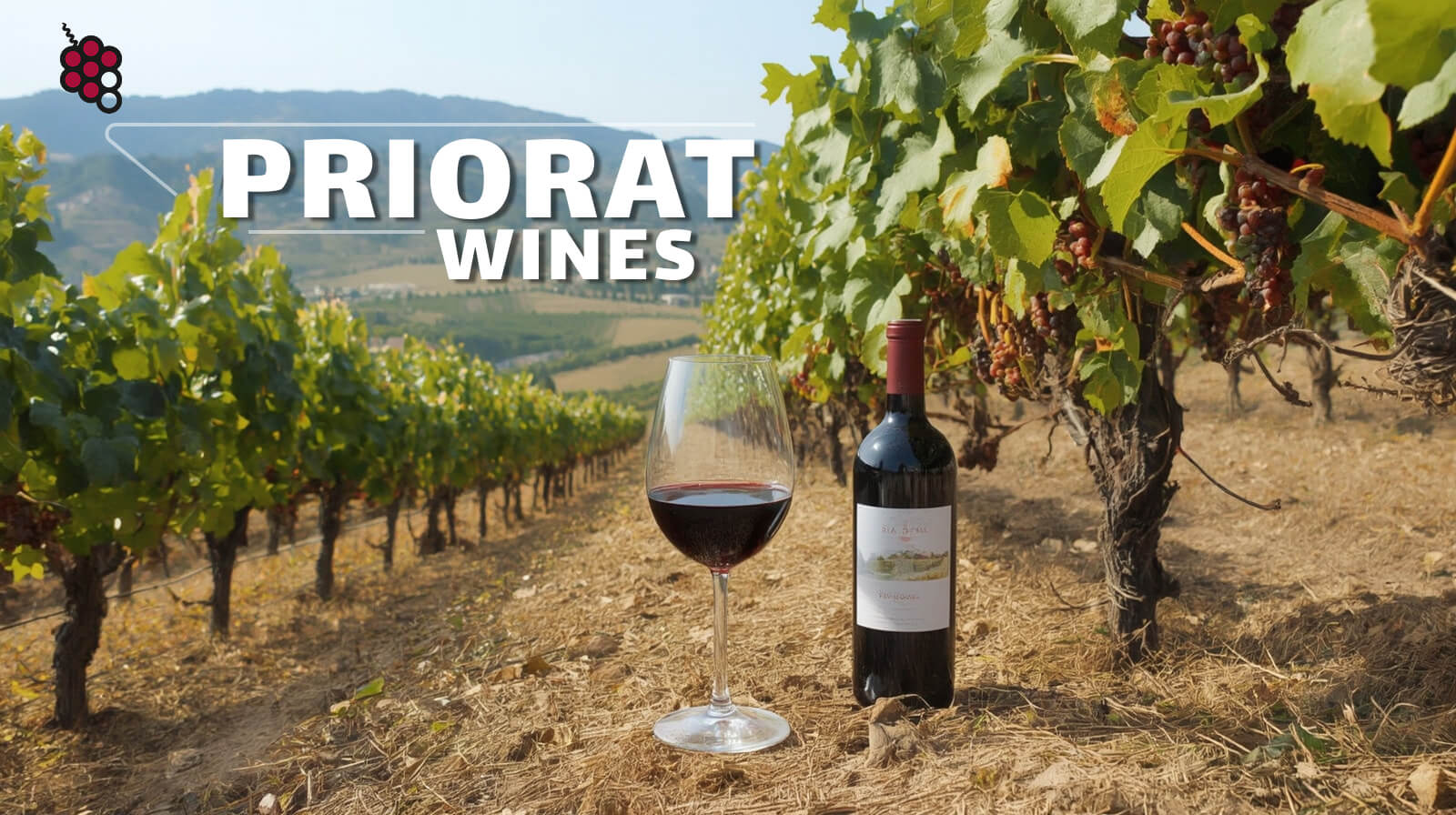
Vines quite literally fight for survival in the barren, sunscorched Priorat region of northern Spain. These tough conditions, disease and war almost wiped out winemaking here until the 1980s when a vibrant new generation of winemakers moved in. Since then Priorat has rebuilt its reputation as one of Spain’s top regions with recurrent 100-point scores from the likes of Robert Parker and Wine Enthusiast.
A Short History of Priorat
Named by the Romans after the Latin word for “priory”, Priorat was a deeply religious region for centuries. A local legend holds that Carthusian monks decided to settle here in the 12th century after seeing a vision of a stairway to heaven. They took this as a divine sign to build the Escaladei (“stairway to God”) monastery.
From Monastic Winemaking to Ghost Villages
Steep slopes and a harsh, arid climate make winemaking here very challenging, so the monks planted vines on terraces built into the rock. But minimal rainfall, plentiful sunshine and barren “llicorella” or slate soils offer perfect conditions for making top quality red wines. Priorat became one of the most important regions in Spain until the arrival of the phylloxera pest and two world wars. Villages became ghost towns as local families moved to the cities and most vineyards were abandoned.
Visionaries and Pioneers
In the 1980s a new wave of pioneers arrived in Priorat, led by maverick young winemakers Álvaro Palacios and René Barbier. These dreamers recognised the potential of Priorat’s unique soils and punishing climate. They planted new vineyards and started applying modern winemaking techniques to pockets of old vines that had survived phylloxera.
Priorat’s lofty new reputation was cemented with the legendary 1989 vintage. A small group of winemakers including Palacios, Barbier, and Josep Lluís Pérez, professor of enology at Spain’s only winemaking school at the time, joined together to create the “Clos movement”. They pooled their resources to vinify and bottle wines from each individual vineyard or “Clos”.
A Rival to Rioja
These wines received scores in the mid- to high-90s from Robert Parker, followed by a 95-point score for Álvaro Palacios’s 1993 L’Ermita. No Spanish wine outside of Rioja had achieved this before. Priorat’s renaissance was complete in 2000 when the appellation was awarded DOCa status, joining Rioja in Spain’s top tier of wines.
What’s Next for Priorat
Priorat burst onto the world-stage in the 1990s with powerful, full-throttled wines which captivated wine enthusiasts across the globe. Over the last couple of decades there’s been a shift towards a more nuanced, elegant style led by Clos Mogador. They’re using indigenous yeasts and used barrels for a softer touch. Others like Mas Doix are embracing biodynamic principles and Terroir al Limit have eliminated oak ageing altogether to focus fully on expressing the natural terroir.
This terroir-focused shift has captured the attention of influential wine writers like Luis Gutiérrez who joined Robert Parker’s The Wine Advocate in 2013 as their Spanish wine expert. In a 2023 article he even noted that all the wines that he has awarded 100 points to are Priorat “so there is something special in that zone.”
Gutiérrez's 100-point Priorat wines include Terroir Al Limit El Manyes 2016, Nit de Nin Mas d’en Caçador 2020, and Clos Erasmus Clos i Terrasses 2020. His consistent support of this more modern, nuanced approach has helped cement that new direction in place both for producers and wine enthusiasts.
The future of Priorat offers both challenges and opportunities, with leading producers experimenting with cooler vineyard sites as a buffer against increasingly hotter summers and aging in clay amphorae and cement vessels. This barren land which was once abandoned has become one of Spain’s most dynamic and adaptable premium wine regions in the space of a few decades.
Key Priorat Grape Varieties
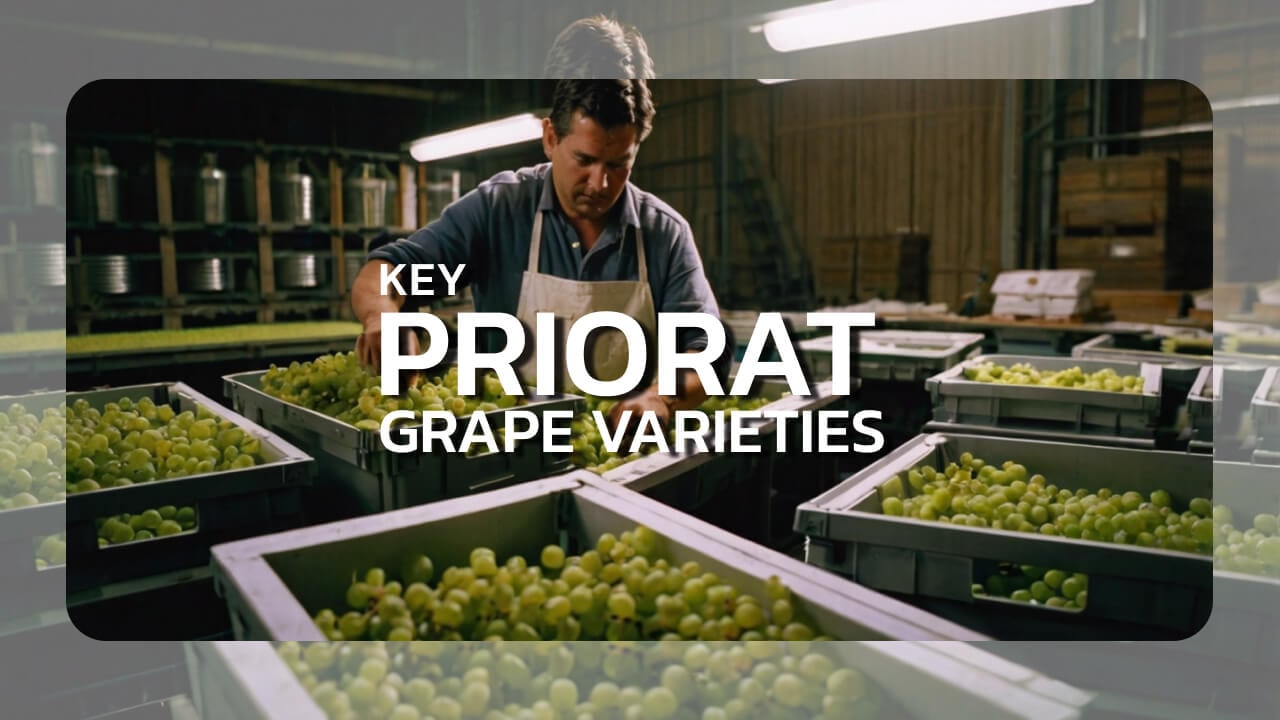
Priorat is primarily known for its punchy, tannic red blends that can age for decades. They’re usually composed of indigenous grapes like Garnacha and Carinena, with some usage of international varieties like Cabernet Sauvignon and Merlot.
Garnacha (Grenache)
Garnacha forms the backbone of most blends, adding softness, plenty of alcohol, and ripe red berry notes. This easy-going variety ripens well under the harsh Priorat sun thanks to cooler conditions overnight that help retain acidity and aromatics.
Cariñena (Carignan)
Cariñena is sometimes used in single varietals or more commonly blended with Garnacha to add complexity, depth, and raw power. Typical characteristics include wild herbs, deep dark fruit, mineral notes from the graphite and slate soils, and rustic, firm tannins.
Garnacha Blanca (White Grenache)
Priorat is primarily a red wine region, but the most famous whites here are typically made from Garnacha Blanca. These are rich, full-bodied whites often fermented and aged in oak with piquant notes of fennel and ripe stone fruits like peach and apricot.
Priorat’s Leading Wineries
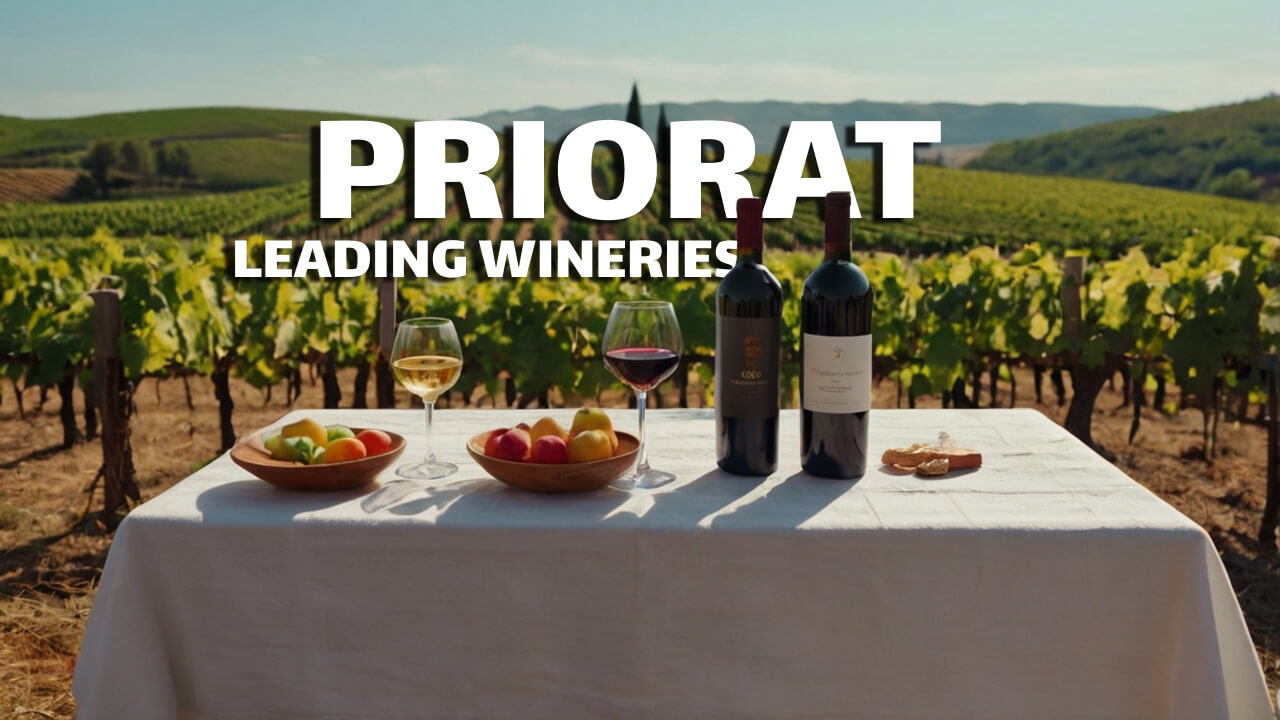
Clos Mogador
Clos Mogador was one of the original revivalist Priorat wineries founded in 1979 in Gratallops by René Barbier. Their flagship wine is the legendary Clos Mogador which is typically composed of 45% Garnacha, 30% Cariñena, and the remainder Syrah and Cabernet Sauvignon. This magnificent bottle is a reference point for Priorat wines and a reminder of how far the region has come.
Mas Martinet
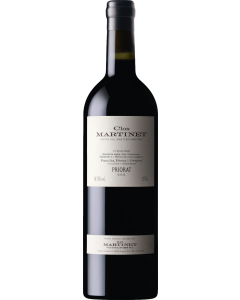
Founded by enology professor José Luís Pérez in 1986, Mas Martinet is another of the pioneering estates that helped put Priorat on the map. José’s daughter Sara Pérez now runs the estate with a strong focus on organic and biodynamic farming. Their classic wine is the Clos Martinet made from a 7-hectare vineyard set on steep slate slopes. This elegant expression of Priorat actually undergoes some carbonic maceration, a process commonly used for Beaujolais, to ensure plenty of freshness and vibrancy as well as 17 months of barrel ageing.
Nin Ortiz
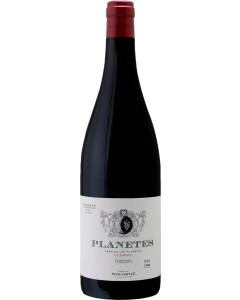
Familia Nin-Ortiz is run by husband and wife team Ester Nin and Carles Ortiz who oversee every detail of the grape growing and winemaking themselves. This hands-on, artisanal approach crafts wines with real character and authenticity like their Planetes de Nin which is made using the rare Garnacha Peluda grape alongside Garnacha and Cariñena. The result is a complex, nuanced red that’s perfectly balanced thanks to the fresher, more vivacious Garnacha Peluda.
Terroir Al Limit
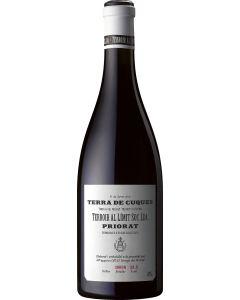
Founded by Dominik Huber and South African oenologist Eben Sadie who met working at Mas Martinent, Terroir Al Limit takes both terroir and biodynamic winemaking very seriously. They pursue “infusion over extraction”, aiming to create balanced, graceful wines inspired by the microclimates and specific soil compositions of their vineyards. Their Terra de Cuques is a 50% Garnacha 50% Cariñena blend with plenty of minerality and depth from the punchy Cariñena.
Mas Doix
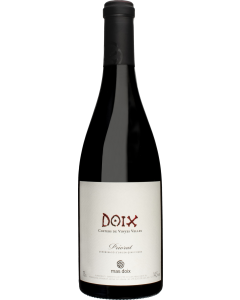
Mas Doix was created in 1998 by the Doix and Llagostera families, continuing the legacy of Juan Extrems Doix who began growing vines here in 1850 and even won a gold medal at the Barcelona World Exhibition in 1888. Doix is their flagship creation crafted from old vine Garnacha and Cariñena planted almost 100 years ago in the village of Poboleda. Expect plenty of depth, luscious dark fruit, a long, lingering finish and excellent cellaring potential.
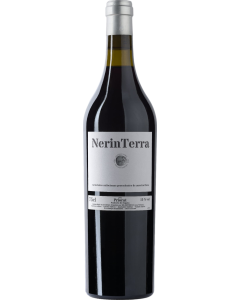
Nerinterra
Nerinterra is an interesting project by Didier Belondrade and his son Jean from the Belondrade estate in Rueda. The duo acquired and restored the abandoned Clos del Afaitador vineyard which they use for their principal Nerinterra cuvee. This special site gives the wine a unique character since its a north-facing amphitheater with a vertical elevation of 80 metres. The result is a powerful, punchy wine carefully balanced by vibrant acidity and elegant dark plums, blackberries and hints of spice.






Overall, I had a very positive experience. However, faster response times and clearer communication would make the service even better.