



If there’s any wine that tastes like sitting by the ocean on a perfect summer’s day, it would have to be Albariño. Known for its heady aromatic hints of peaches, apricots and honeysuckle, this crisp white wine is predominantly grown in Spain and Portugal where locals enjoy it alongside fresh local seafood.
In recent years Albariño has also been planted in parts of Australia, New Zealand, Uruguay, and California which offer similar ocean-influenced climates. In this article we’ll dive deep into what to expect from this enchanting grape and uncover the best Albariño producers to look out for from the Iberian Peninsula and beyond.
Typical Characteristics of Albariño
Described as a “perfumed, elegant aristocrat” by esteemed Master of Wine Jancis Robinson, Albariño is traditionally a light dry white wine with plenty of freshness. Most Albariño wines tend to have the following characteristics:
-
High acidity: A tell-tale sign of an Albariño wine is mouthwatering acidity. Cooler vintages and more coastal sites tend to produce wines with even brighter acidity.
-
Light to medium body: Albariño tends to be a lighter white wine which makes it especially refreshing on hot summer days.
-
Moderate alcohol: Alcohol levels typically range between 11.5% and 13.5% ABV depending on the climate. Cooler sites tend to produce lower alcohol wines due to there being less sugar in the grapes, while Albariño from warmer parts of California can exceed 13.5% ABV.
-
Aromatic character: The flavor profile of a typical Albariño includes plenty of zingy citrus, including lemon, lime or grapefruit, ripe peaches and apricots, and hints of honeysuckle. Coastal wines can have a touch of salinity which is why people often say Albariño reminds them of the sea.
-
Unoaked or lightly oaked: Most Albariño wines are designed to be drunk young and fresh. In recent years pioneering winemakers have been experimenting with oaked Albariño and lees stirring to produce a richer, heavier style of wine with notes of toast, spice, and cream.
What is Albarino Similar to?
Albariño and Sauvignon Blanc
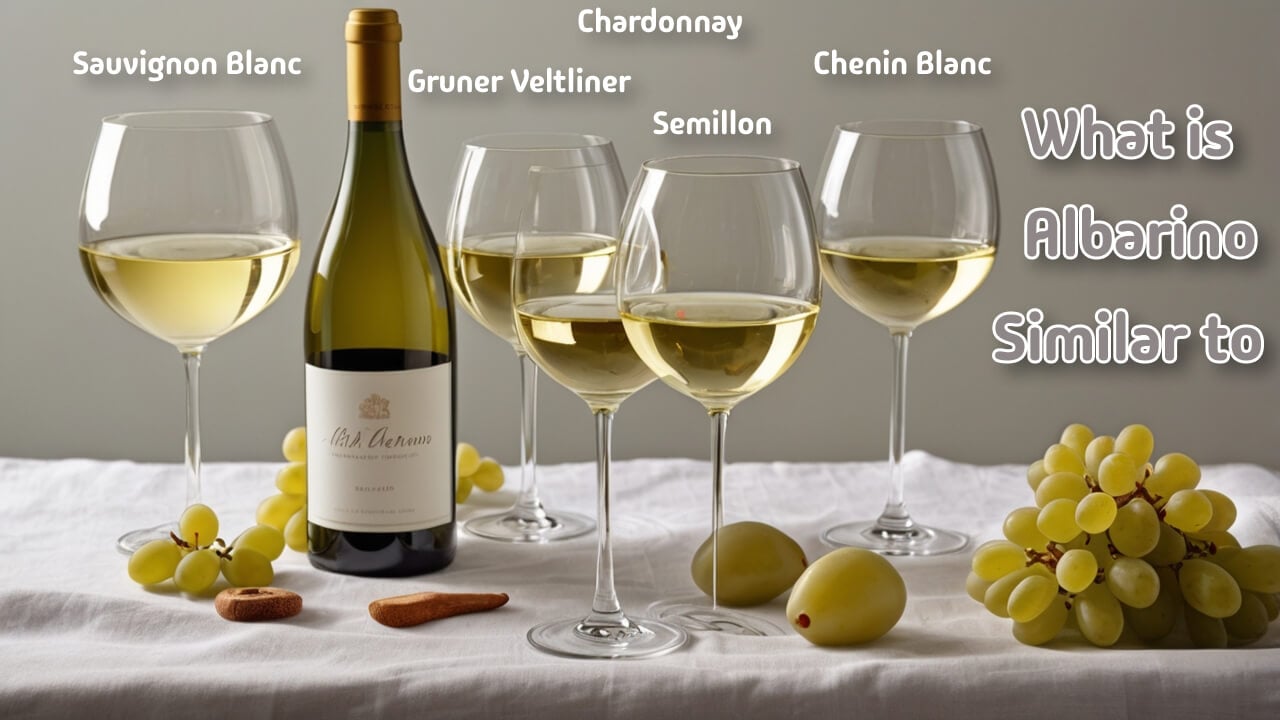
If you like Sauvignon Blanc, you should try Albariño. Sauvignon Blanc is often crisp and fresh with lots of juicy acidity and a highly aromatic nose. Sauvignon Blanc from New Zealand often has notes of gooseberries and tropical fruit, while those from Sancerre have more citrus and mineral character. Albariño is a great choice if you already like Sauvignon Blanc since it’s got similar amounts of freshness and enticing aromatics that keep you coming back for more.
Albariño and Gruner Veltliner
Albariño is also similar to the Austrian grape Gruner Veltliner. Both have a pale colour, are light or medium-bodied and offer plenty of mouthwatering acidity. The aromatics are also similar, although Albariño tends to have more peach or apricot notes while one typical feature of Gruner Veltliner is white pepper.
Albariño and Oaked Chardonnay, Semillon, and Chenin Blanc
Chardonnay, Semillon and Chenin Blanc wines that have been aged in oak tend to be much richer and more intense than the traditional young and fresh Albariños. If you prefer this style of wine, look for Albariño wines that have been aged in oak for at least 4-6 months.
Where is Albariño Grown
Spain and Portugal
The traditional homelands of Albariño are found in Galicia in north-western Spain over the border in northern Portugal where it’s known as Alvarinho. Researchers believe that the grape has been cultivated here for thousands of years ever since the Romans arrived and domesticated the wild grape varieties they found here. Important sub-regions in Galicia include Rías Baixas, Monterrei, Ribeira Sacra, Valdeorras, and Ribeiro.
This cool climate grape is perfectly suited to the storm-swept Atlantic coast where vineyards are often planted on steep terraces overlooking the sea. Fortunately Albariño has an especially thick skin that protects it from mildew and rot which are common issues in such humid climates. These challenging conditions are also balanced by over 300 hours of sunshine during the critical summer months, enabling grapes to ripen fully and develop plenty of enchanting aromatics and freshness.
In Portugal Alvarinho is a key component of Vinho Verde. This light white wine that’s usually a blend of indigenous grape varieties and is traditionally made in a slightly effervescent style. These tend to be lighter and more restrained than pure Alvarinho wines, offering notes of limes, green apples, and floral notes.
California, Uruguay & Beyond
Over the last few decades experimental winemakers in the Southern Hemisphere and the USA have started planting Albariño in cool coastal regions. Standout examples include the Sonoma Coast and Monterey in California where the warm climate is moderated by Pacific Ocean breezes and the Willamette Valley in Oregon which is famed for its cool climate Pinot Noir.
Exciting developments are also afoot further south in Uruguay which has made Albariño its signature white grape. Conditions here are ideal for the grape thanks to the warm summers, gentle rolling hills, and considerable influence of the Atlantic Ocean. Other up-and-coming regions to look out for include remote Tasmania and coastal parts of Victoria in Australia and the Casablanca Valley in Chile.
Top Albariño Producers
Rodrigo Mendez
Considered one of the top Galician winemakers, fifth generation enologist Rodrigo Mendez founded his winery in Meaño in 2011 as a new project independent of his other winery, Forja de Salnes. Rodrigo is blessed with both outstanding winemaking talent and access to his family’s ancient vineyards, some of which date back over a hundred years. He prefers to take a hands-off approach in the winery, relinquishing control over the winemaking process and letting the terroir tell its own story. Unlike many other Albariños, these are wines that are designed to age well thanks to their intensity and higher acidity.
-
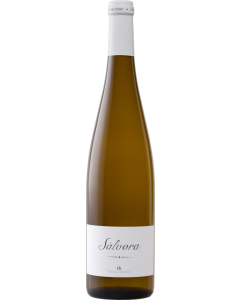
Rodrigo Mendez Salvora is crafted from Albariño grapes from a single ungrafted vineyard in the municipality of Meano which was planted in 1905. Fermentation takes place with indigenous yeasts in large old 600-liter jars where the wine then ages for 12 months. This is exactly how Albarino was traditionally produced in the area before the 80s and the introduction of stainless steel in white vinification. It’s no surprise that the wine consistently gets scores in the mid-90s from top wine critics.
-
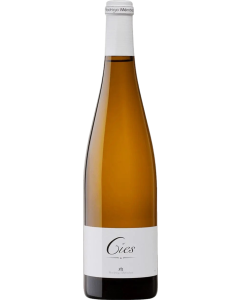
Rodrigo Mendez Cies Blanco is made in a fresh and approachable style from Albariño grapes harvested by hand from family-owned vineyards in Meaño. The vines here are between 30 to 70 years old and are predominantly planted on well-draining granitic and sandy soils. Fermentation takes place 80% in barrels and the rest in steel. Part of the finished wine is then left for 6 months in the barrels where fermentation takes place.
Bodegas Forjas
Bodegas Forjas del Salnés is Rodrigo Mendez’s other project that has blossomed from its foundation as a small garage winery in 2005. Here Rodrigo specializes in crafting tiny quantities of exceptional indigenous varieties from old vines planted by his family many decades ago. Forjas del Salnés sources its grapes from just 12 hectares of organically-farmed vineyards spread across the villages of Meaño, Sanxenxo, and Barro.
-
Bodegas Forjas del Salnes Maria Luisa Lazaro Albarinho was created as an elegant tribute to Rodrigo’s grandmother which is only made during the finest vintages. Rodrigo allows the grape must to ferment with just wild yeasts already present in the environment and he then ages the wine in a combination of stainless steel tanks and oak barrels for three years. The final polish is added by another three years of bottle ageing before release.
-
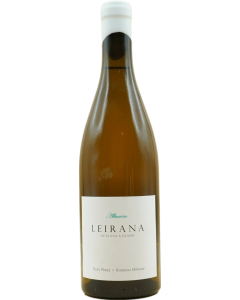
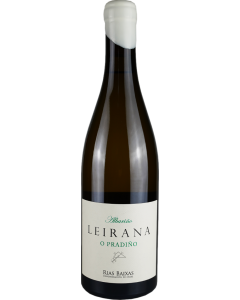
Bodegas Forjas del Salnes Leirana O Pradino is another richer style of Albariño that ages in 600 litre toasted oak barrels for 12 months. The fruit in this case comes from an exceptional vineyard planted in 2012 on fine sandy soils in Sanxenxo. As with the Maria Luisa Lazaro, this is a limited production wine with under a thousand bottles produced each vintage.
Anselmo Mendes
Anselmo Mendes is regarded as Portuguese winemaking royalty thanks to his consulting work with the country’s leading wineries. Anselmo was actually born in Monção which is today regarded as one of the top crus or sub-regions for the Alvarinho grape. In 1988 he decided to start producing his own Vinho Verde wines from rented vineyards in Monção and neighboring Melgaço. These wines received rave reviews in the wine world, with Anselmo being crowned “Winemaker of the Year” in 1998 by Portugal’s influential Revista de Vinhos magazine.
-
Anselmo Mendes Parcela Unica Alvarinho is Anselmo’s flagship single varietal Alvarinho that’s crafted from one particular parcel of vines that produces especially aromatic grapes. Anselmo’s vision for this wine is to showcase a fuller-bodied, richer style of Alvarinho. To achieve this the must is fermented in new 400 litre French oak barrels followed by 9 months of ageing with battonage or stirring of the lees. This wine has achieved an average score of 94 points from top wine critics like Decanter and Robert Parker, a testament to Anselmo’s talented winemaking and the quality of the terroir.
-
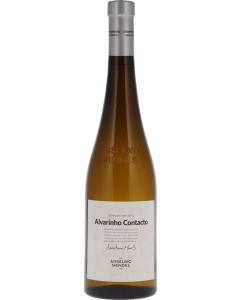
Anselmo Mendes Contacto Alvarinho showcases an even more pioneering and innovative side of Anselmo. This unusual Alvarinho is the result of extensive experimentation with skin contact. This technique leaves the grape must in contact with the skins for an extended period to add texture and complexity. The grapes are sourced exclusively from Anselmo’s hometown Monção in the Vinho Verde appellation where the vineyards are located alongside a river which helps moderate the climate even during the warm summer months. In the winery the grapes are fermented and aged for four months on the lees in stainless steel tanks.

Lagar de Cervera
The Sociedad Vinícola de la Rioja Alta was founded in 1890 by five local Basque winemakers who recognized the value of pooling their resources to create premium-quality wines. At the end of the 19th century they successfully recruited French winemaker Alfonso Vigier to join the institution, something that was only possible thanks to their prestigious reputation. Today it’s regarded as a bastion of traditional Spanish winemaking. They even make their own barrels onsite which are used to age their Rioja wines.
Lagar de Cervera Albarino is their flagship Albariño and a testament to their ability to also produce exceptional wines beyond Rioja. Grapes are sourced from the prime subzones of O Rosal and Cambados in Rias Baixas. The young wine is aged on the fine lees in the tank, giving additional complexity and subtle hints of toasted brioche.






Perfetto