



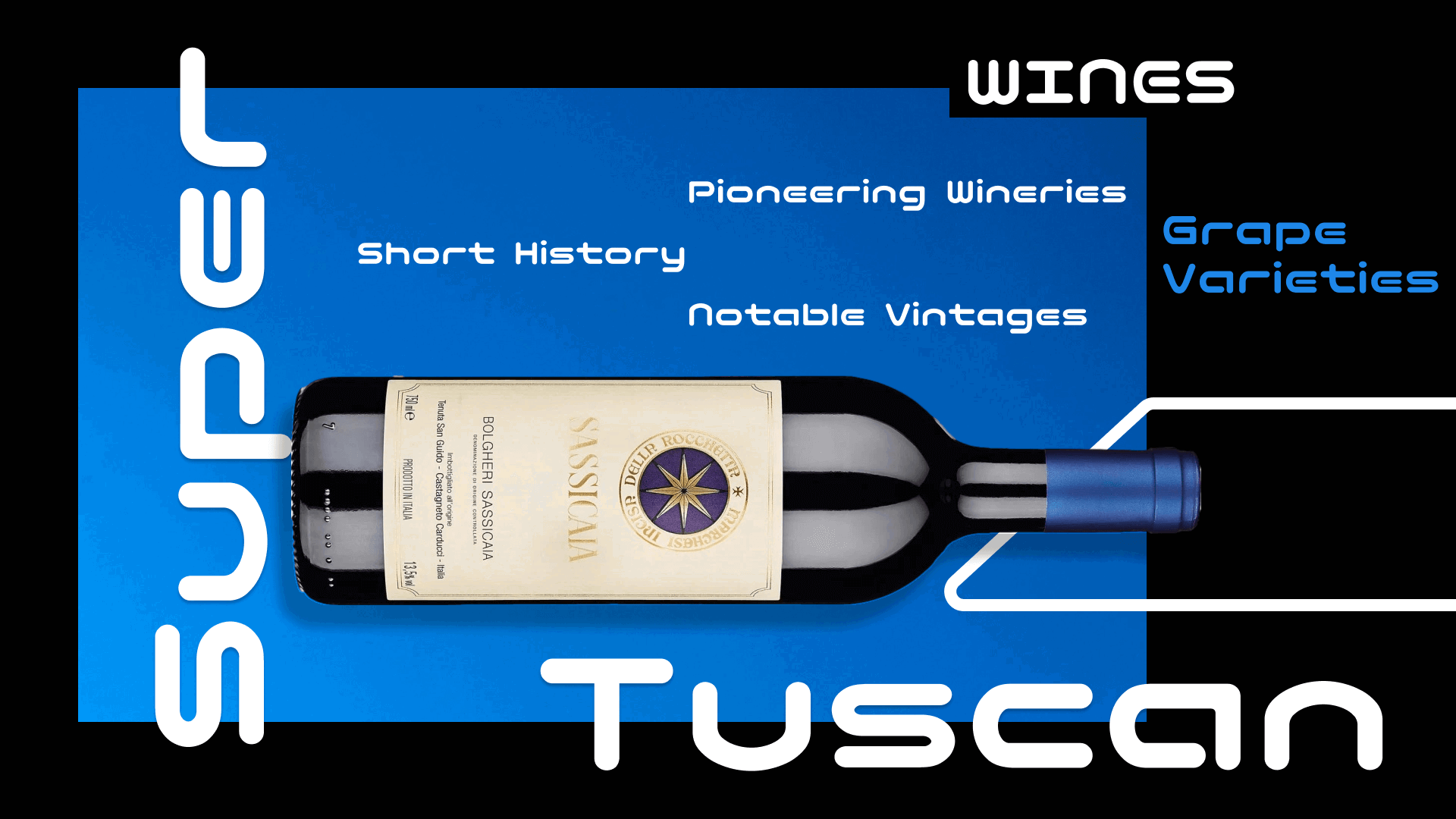
The gentle rolling hills of Tuscany might not seem like the setting for a revolution. For centuries the rhythms and traditions of making wine here remained almost unchanged, cemented by medieval monastic orders and powerful noble families like the Medicis who established the region as an epicentre for fine wine production. Over time these traditions grew into a set of strict but stifling regulations designed to preserve the status quo.
Rebellion was already in the air on a global scale in the 1960s and 1970s when a new generation of pioneering winemakers tore up this rule book. Visionaries like Mario Incisa della Rocchetta and Piero Antinori were planting forbidden grape varieties and ageing their wines in imported French barrels rather than the traditional large oak casks. These maverick wines became known as the “Super Tuscans” to reflect this bold new style, quickly gaining a cult following especially amongst wine aficionados in the US.
In this article we’ll take a closer look at Super Tuscan wines and how they transformed the Italian winemaking scene. We’ll examine the typical characteristics of these world-class wines and explore the region’s top producers like Tenuta San Guido, Marchesi Antinori, Tenuta dell’Ornellaia, and Castello di Ama.
A Short History of Super Tuscan Wines
The Italian Wine Classification System Prior to the 1970s
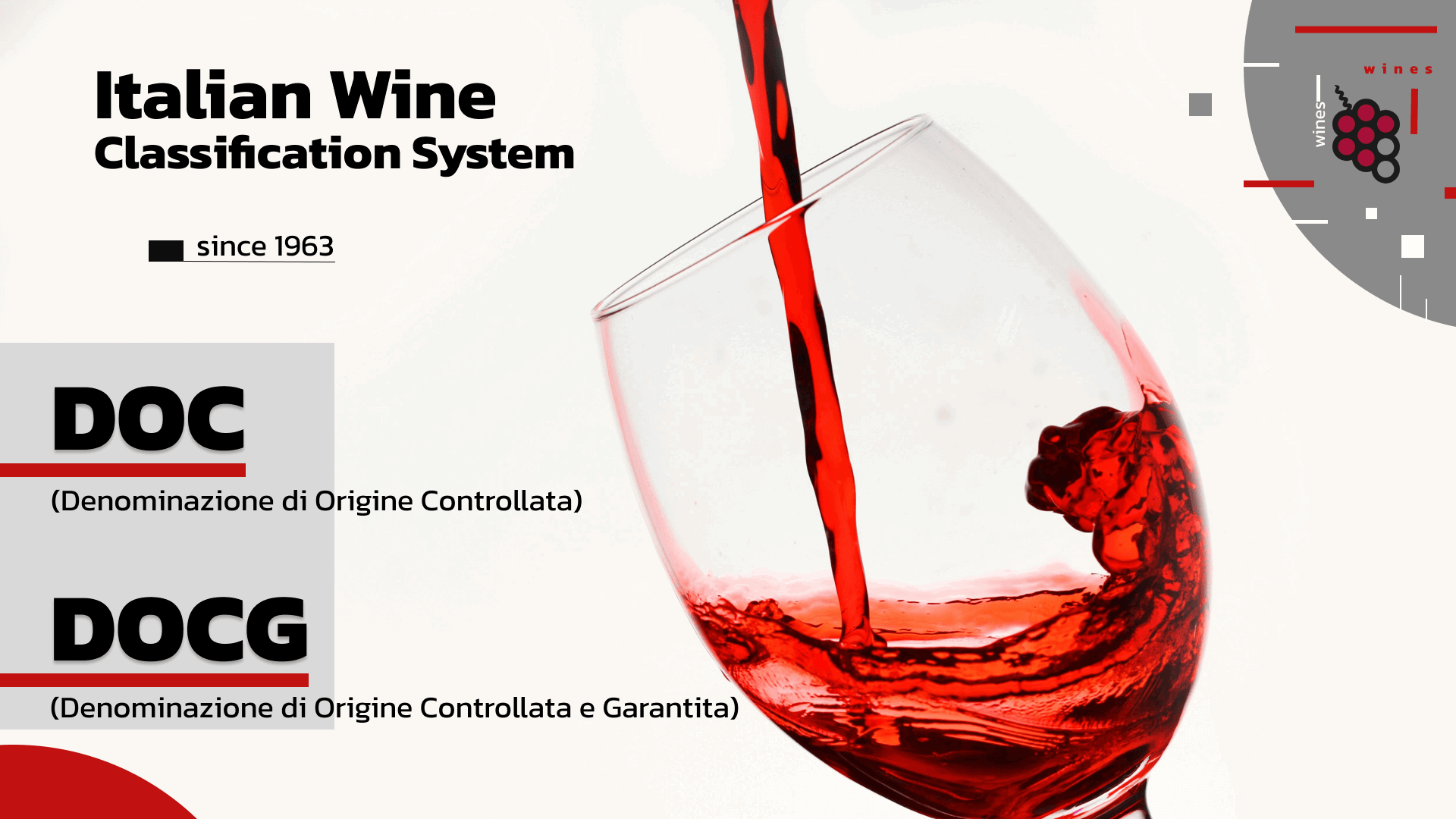
Before Super Tuscan wines burst onto the scene, Italy had a rigid set of regulations designed to uphold traditional methods and approaches to winemaking. In 1963 the country introduced their DOC (Denominazione di Origine Controllata) and DOCG (Denominazione di Origine Controllata e Garantita) labels modelled on the French system of Appellation d'Origine Contrôlée (AOC). Each DOC or DOCG has its own set of rules which had to be fulfilled in order to label wines under that name.
These regulations include stipulations about:
- Permitted grape varieties
- The proportions of grape varieties permitted in blends
- Ageing requirements indicating how long wines need to be matured for in the bottle or barrel
- Geographic boundaries of each DOCG or DOC
When these rules were introduced in Tuscany in 1963 they were heavily criticised for prioritizing traditions over wine quality. The stipulations for DOC Chianti at that time included:
- A specific blend of grape varieties including 50-80% Sangiovese, 10-30% Canaiolo, and mandatory use of 10-30% white grape varieties Trebbiano and Malvasia. This stipulation was designed to keep Chianti wines fresh and approachable. International grape varieties like Cabernet Sauvignon or Merlot were not permitted.
- Grapes had to be grown inside the Chianti Classico region or additional subregions like Chianti Colli Senesi and Chianti Rufina.
- The rules encouraged high volume production, permitting high yields of up to 80 quintals per hectare.
- Traditional Italian winemaking practices were also preferred. This included aging in large neutral Slavonian oak casks called “botti” rather than small French oak barrels.
The Emergence of Super Tuscan Wines
The DOC system was created to ensure local producers were making quality Chianti wines and keeping old traditions alive. Yet at the same time, these strict regulations stifled innovation and kept producers tied to outdated practices. For example, the requirement to include white grapes in the blend created lighter red wines which didn’t age as well.
Winemakers who went outside the system by using French grape varieties or ageing their wines in smaller oak barrels were forced to label their wines as “Vino da Tavola” (table wine) rather than under the more respected DOC system. High-quality wines that didn’t meet the DOC criteria received the same classification as inexpensive bulk wines.
It was these frustrations that gave birth to the Super Tuscan movement. Ambitious and forward-thinking winemakers like Mario Incisa della Rocchetta and Piero Antinori proved that world-class wines could be created outside the inflexible DOC system. These wines soon proved a hit with international wine journalists and consumers, earning the lofty title of “Super Tuscans”.
Pioneering Wineries and Wines
The Marchese Mario Incisa della Rocchetta was inspired by the powerful red wines of Bordeaux to plant Cabernet Sauvignon on his Tenuta San Guido estate in Bolgheri in the 1940s. This would later morph into Sassicaia, his Cabernet Sauvignon-dominant red blend, which was first released commercially in 1968.
Piero Antinori followed suit in 1971 with the first release of Tignanello. In defiance of the Chianti Classico rules he blended Sangiovese with Cabernet Sauvignon and Cabernet Franc, failing to include any white grapes in the final bottling.
Key Characteristics of Super Tuscan Wines
Grape Varieties and Blends
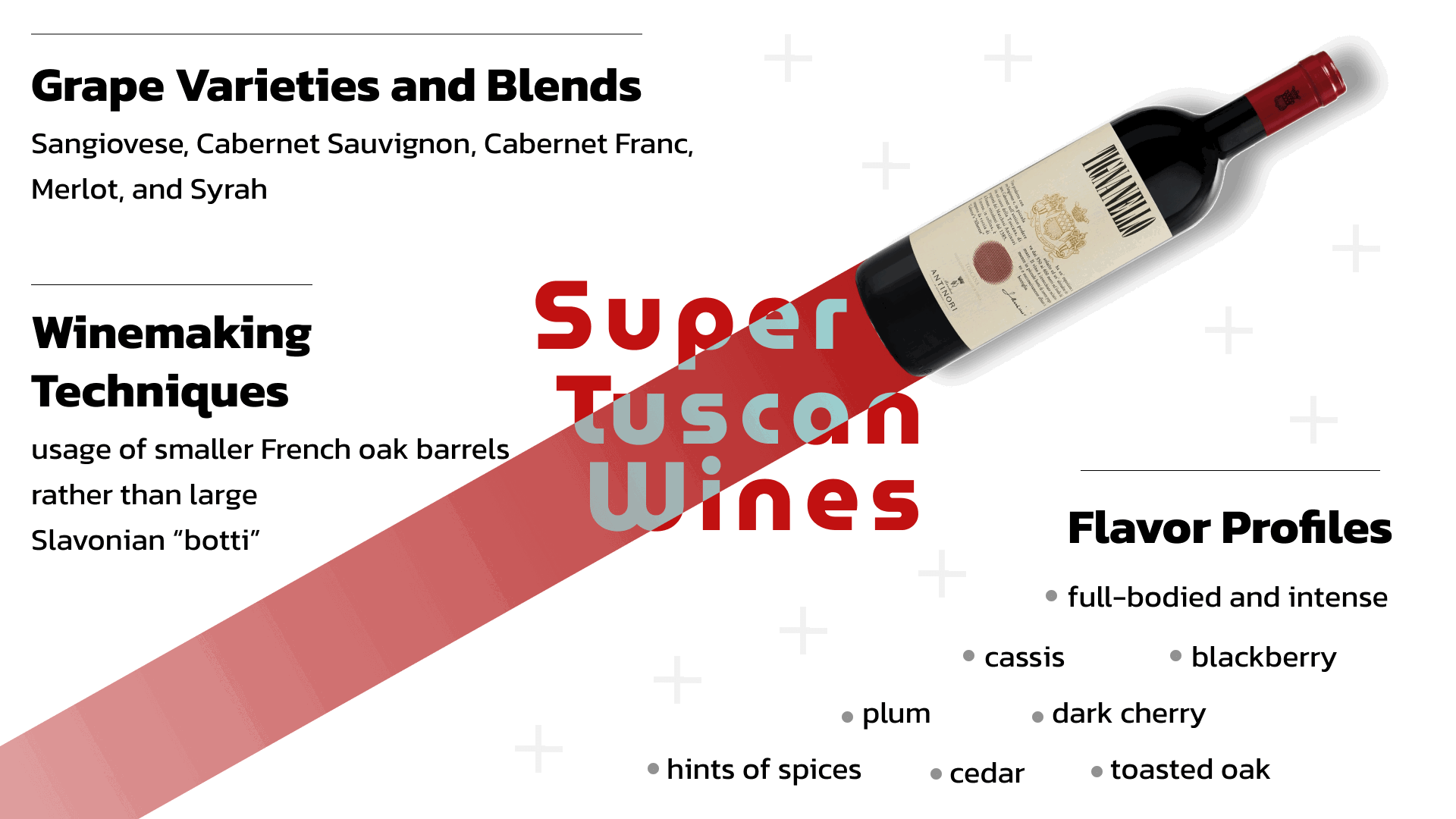
Super Tuscan wines may be single varietal, meaning they are made from just one grape variety, or they may be a blend of international grapes and local Italian grapes. The most common varieties used are Sangiovese, Cabernet Sauvignon, Cabernet Franc, Merlot, and Syrah.
Bordeaux-style blends like Sassicaia and Ornellaia which are made from Cabernet Sauvignon, Merlot, and Cabernet Franc. Another popular style is Sangiovese-dominant blends like Tignanello which include a small amount of Cabernet Sauvignon, Merlot, or Cabernet Franc, while Masseto is typically made with 100% Merlot.
Winemaking Techniques
Super Tuscan wines broke with Tuscan traditions by switching to the usage of smaller French oak barrels rather than large Slavonian oak barrels known as “botti”. Botti are largely neutral vessels which allow the character of the grapes to take centre stage. Inspired by the powerful red wines of Bordeaux, Super Tuscan producers wanted greater complexity, smoother tannins, and additional aromatics and flavours from the toasted oak itself.
These innovations aimed to produce high-quality wines that could compete with the finest French wines. Over the years Super Tuscan producers also introduced other modern techniques including temperature-controlled fermentation, micro-oxygenation, and cold maceration prior to fermentation.
Typical Super Tuscan Flavor Profiles and Aging Potential
Super Tuscan wines tend to be full-bodied and intense with plenty of rich ripe dark fruit layered on a long, lingering finish. There may be bold blackberry, cassis, dark cherry, and plum flavours, depending on the grape varieties used, combined with subtle hints of spices, cedar, toasted oak, and roasted nuts.
Many Super Tuscans are designed to develop further in the cellar, with top-end wines like Sassicaia and Ornellaia easily capable of ageing for decades. Over time their fruit flavours mellow and transform into tertiary notes of tobacco, leather, and dried fruit.
Notable Super Tuscan Wines and Producers
Sassicaia
Marchese Mario Incisa della Rocchetta is credited with creating one of the first Tuscan wines to fully embrace Bordeaux varietals. Today Sassicaia is regarded as the most iconic Super Tuscan wine with a cult following around the globe. It was even the first Italian wine to be awarded its own DOC Bolgheri Sassicaia classification in 1994.
Composed of Cabernet Sauvignon and Cabernet Franc, Sassicaia typically boasts a complex flavour profile featuring luscious dark fruit, hints of bitter herbs and mint, and notes of cigar box spice and woodsmoke from the ageing in French oak barrels. Over the years Sassicaia has earned a treasure trove of accolades, including numerous 100-point ratings from the legendary Robert Parker.
Recommended wine: Tenuta San Guido Sassicaia 2021
Tignanello
Piero Antinori’s iconic Super Tuscan was one of the first to pair Sangiovese with Cabernet Sauvignon and Cabernet Franc. Antinori also broke with tradition by omitting white grape varieties that had to be included under the DOC Chianti regulations.
Since Tignanello is a Sangiovese-dominant blend, expect a rich bouquet of red fruit like cherries and plums layered with herbal notes, and hints of spice and tobacco from its extended ageing in French oak barrels. This is another world-class wine that consistently receives ratings in the upper 90s from respected wine publications like Wine Enthusiast and Robert Parker.
Recommended wine: Antinori Tignanello 2022

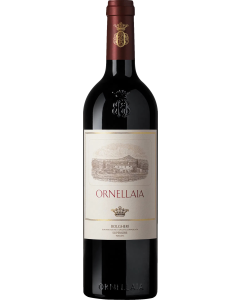
Ornellaia
Tenuta dell’Ornellaia was founded by Piero Antinori’s cousin, Ludovico Antinori, in Tuscany’s coastal Bolgheri region in the 1980s. His flagship wine Ornellaia has become one of Tuscany’s most sought-after Bordeaux-style blends. The main component is Cabernet Sauvignon along with a small proportion of Merlot, Cabernet Franc and Petit Verdot.
Ornellaia is known for its opulent bouquet dominated by deep cassis, blackberry and plum and hints of spice, chocolate and toasted oak from the 18 months of ageing in 70% new oak barrels. In recent years Ornellaia has gone from strength to strength on the global wine scene with ratings for Ornellaia hover in the very high 90s for almost all vintages since 2015 onwards.
Recommended wine: Ornellaia Bolgheri Superiore 2022
Other Influential Super Tuscan Producers
- In 1987 Ludovico Antinori also created Masseto, a 100% Merlot Super Tuscan that is frequently compared to Château Pétrus in quality and price.
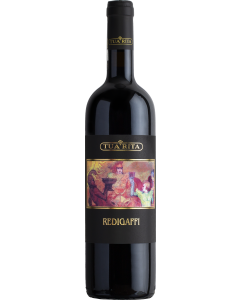
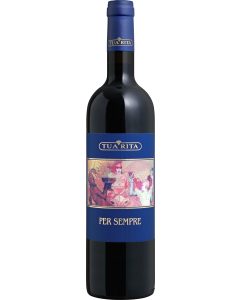
- Another exceptional 100% Merlot Super Tuscan is Redigaffi which has enjoyed international acclaim since 2000 when it was awarded a 100-point score by the legendary American wine critic Robert Parker. The Tua Rita estate is located in Suvereto near the Bolgheri DOC. They also produce a superb 100% Syrah Super Tuscan named Per Sempre.
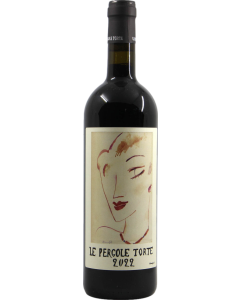
- Montevertine in the heart of the Chianti Classico zone is home to the unique Le Pergole Torte which was created by Sergio Manetti in 1977. He was one of the region’s earliest producers to reject white grape varieties in the blend and to use 100% Sangiovese.
Impact on Italian Wine Industry
It’s hard to underestimate the impact of the rebellious Super Tuscans on Italian winemaking. Following their emergence in the 1960s and 1970s, viticulture in Tuscany and beyond underwent a seismic shift with more and more producers embracing their innovations. In the 1990s the country responded by introducing the IGT (Indicazione Geografica Tipica) classification. This gave progressive winemakers official recognition and regulation without binding them to restrictive DOC rules.
Super Tuscans also made a splash on an international scale, helping to put Tuscany on the map for world-class wines that could rival those of Bordeaux or Napa Valley. Their bold flavour profile especially appealed to US collectors and wine enthusiasts who helped cement their popularity and spurred further innovation both in Italy and internationally.
Current Trends and Future Outlook for Super Tuscan Wines
The Continued Evolution of Super Tuscan Wines
Super Tuscan producers have continued to refine their approach to winemaking, embracing both cutting-edge and traditional influences. For example, some now use satellite imagery and soil mapping for enhanced vineyard management. While others like Ornellaia and Querciabella have embraced organic, biodynamic and sustainable agricultural principles.
Recently there has also been a shift away from heavily-oaked wines to more elegant wines that express the essence of the terroir and vintage. With plenty of freshness coupled with complexity and structure, these wines are designed to age well in the cellar. Another interesting feature is the emergence of white Super Tuscans like the Ornellaia Bianco made from Sauvignon Blanc and Viognier.
Emerging Super Tuscan Producers and Regions
Bolgheri and Chianti Classico have traditionally been the heartlands of Super Tuscan production, but in recent years lesser-known subregions like the Val di Cornia close to the famous Bolgheri DOC have gained prominence. Elsewhere in Tuscany exciting new Super Tuscan producers like Bibi Graetz, Tenuta La Massa, and Fattoria Le Pupille are claiming their place on the world stage.
Other lesser-known gems include Tenuta di Trinoro which was founded in the 1990s by Andrea Franchetti in Val d'Orcia in southern Tuscany.
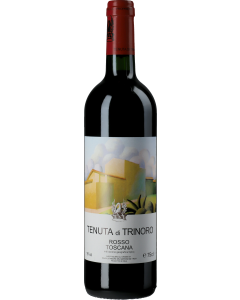
Franchetti spent time researching and studying Bordeaux winemaking before returning home to plant classic Bordeaux varietals Cabernet Franc, Merlot, Cabernet Sauvignon, and Petit Verdot to make his own unique Super Tuscans.
Last but not least is Fontodi which is best known for their majestic Flaccianello della Pieve made in a Super Tuscan style from the estate’s very best Sangiovese grapes.
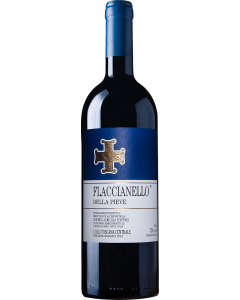
The estate’s vines are planted in Panzano’s natural amphitheatre which is known as the “conca d’oro” or “golden shell” and is considered the prime area to grow grapes with great intensity of flavour and elegance.
Conclusion
The Super Tuscan rebellion helped revolutionize the Italian winemaking industry and usher in a new era of world-class Tuscan wines. Today that rebellious spirit is still alive and strong as winemakers shift their focus once again.
This time the focus is on fresher, more elegant Super Tuscans that capture the region’s magnificent terroir. Winemakers are also keen to preserve their lands for future generations, incorporating sustainable practices and embracing organic agriculture wherever possible. Super Tuscan wines may well be on the edge of another transformation, making this the perfect time to taste these wines at the next stage of their evolution.
Additional Resources on Super Tuscan Wines
Notable Super Tuscan Vintages to Try

Here are some of the best vintages for Super Tuscan wines that are worth looking out for if you want to try something truly special. The best Super Tuscans are often produced in cooler years when the grapes can ripen more slowly. These grapes tend to have both more complexity of flavours and greater acidity which helps them age for longer.
- 2016 is considered a stellar vintage with cool breezes during the harvest period that helped lock in plenty of acidity. They have great potential for extended cellaring.
- 2010 was a cooler year with a wet spring that pushed back ripening to the third week of October. Expect elegant, well-balanced and complex wines suitable for long aging.
- 2001 saw a cool and wet harvest season which has proved a blessing over the intervening years. The wines are high in acidity and have aged beautifully in the cellar, with many of the top Super Tuscans from this year continuing to improve in the cellar even now.
- 1999 is known for its powerful yet elegant Super Tuscans. With plenty of fruit, tannins, and a solid structure they have proved ideal for extended ageing, and many of the top examples will continue to develop in the cellar into the next decade or so.
Tips for Visiting Tuscany
- Plan your visit around the viticultural calendar
Spring can be a nice time to visit Tuscany since the weather is milder and earlier in the season you’ll encounter fewer tourists. If you’d like to see more of the winemaking process, we recommend visiting in autumn when the harvest is in full swing. This is an exciting time to be around, although note that producers may have reduced visit and tasting schedules or may even close to the public at particularly busy times.
- Book winery visits in advance
The top Super Tuscan estates typically require advance booking, while smaller boutique wineries may have very limited availability. If you’re travelling in high summer or during the harvest, it can be very hard to secure tastings at the top wineries.
- Visit both iconic and smaller wineries
To really get a taste of Tuscany we recommend visiting both the larger iconic producers and smaller family-run wineries. Note that Sassicaia producer Tenuta San Guido is not open to the public, but you can go to the stunning Antinori nel Chianti Classico winery, Ornellaia, and Castello di Ama. Smaller or lesser-known wineries that are also worth visiting include Le Macchiole, Tenuta MonteRosola and Rocca della Macie.
- Indulge in unique wine tasting experiences
Tuscany is home to some of the world’s finest wineries, and with this comes the opportunity to experience some truly unique tastings. For example, at Antinori nel Chianti Classico you can enjoy a very special tasting of four of their premier wines including Tignanello followed by a wine-pairing lunch in their spectacular panoramic rooftop restaurant Rinuccio 1180.
Romantics can opt for Ornellaia’s gourmet picnic under an ancient oak tree overlooking the vines and the Tyrrhenian Sea. Or visit Avignonesi for a special Tuscan cooking class with their inhouse chef which also includes their Grand Experience tour and lunch.



Depuis la France, j’ai pu faire un cadeau à un ami en Bulgarie. Le colis est arrivé comme prévu, les bouteilles étaie bien emballé. Je recommande ce site pour son sérieux et son service.