




Once the hidden gems and ancient cradles of European winemaking, Georgia, Greece, and Slovenia are now lighting up wine lists and sommeliers’ radars with unusual techniques, bold native varietals, and strikingly modern flair. These aren’t your usual suspects - at least in the 21st century - and that’s exactly why they’re turning heads.
This article informs you on some of the best bottles from these three underrated countries, so you can get ahead of the curve, whether you’re a beginner looking for authentic wine, or a collector looking to capitalise on upcoming trends. Let’s take a tour through Europe, from east to west.
Georgia: The Cradle of Wine Reawakens
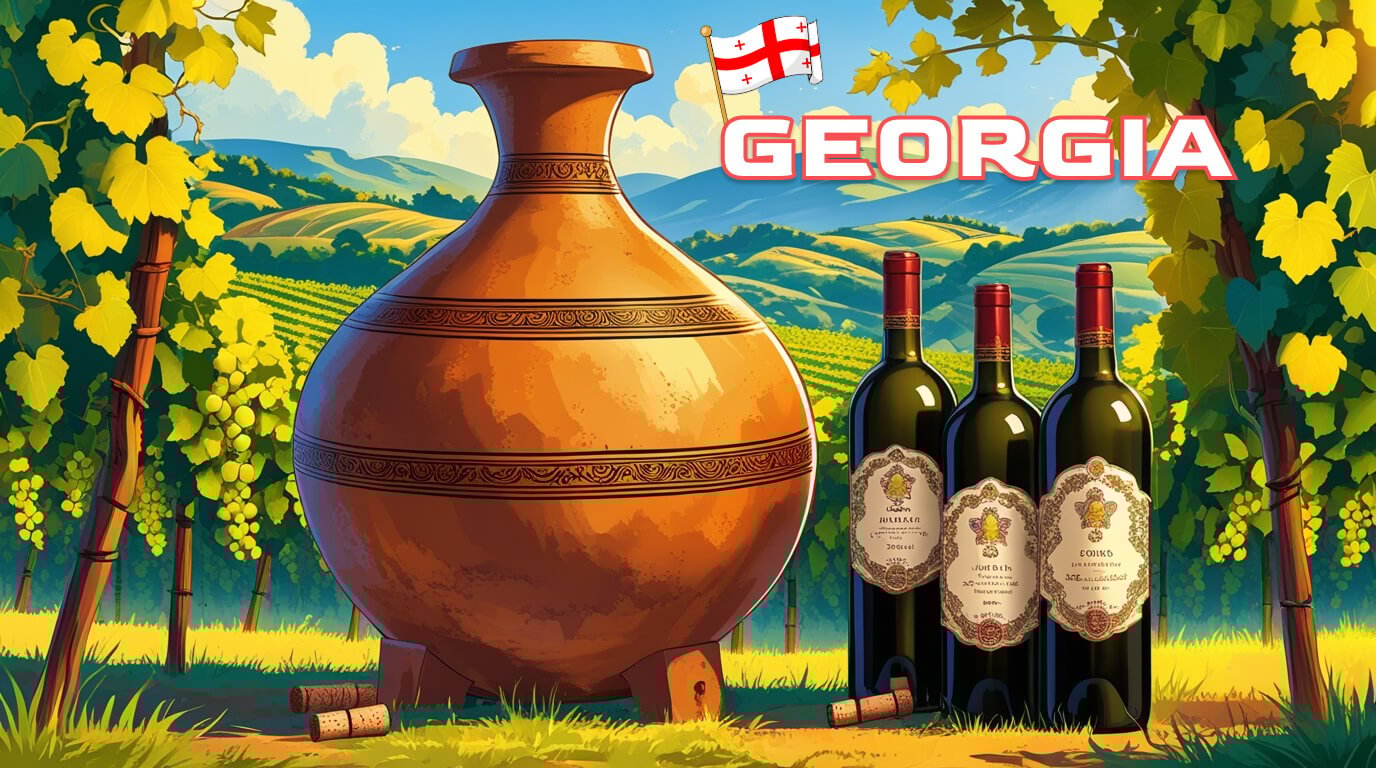
Of the archaeological evidence we have found thus far, Georgia is the oldest winemaking region in the world, with traces of fermentation and pressed grapes dating back 8,000 years. We explored this in a previous article, and the nation of Georgia has only risen in popularity since then. The Georgian winemaking tradition fits like a glove with modern trends.
The first and most prominent feature of Georgian winemaking is the implementation of qvevri, which are clay pots that are buried underground, used to ferment grapes. These are used by wineries throughout Georgia, but one of the most famous is Papari Valley.
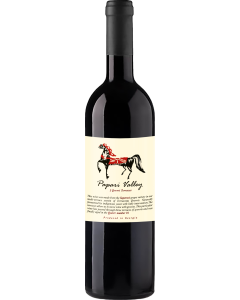
Named after the Georgian word for “horse’s mane”, Papari Valley Winery is located in the eastern region of Kakheti. It was founded in 2004, and is best known for its experimental use of qvevri, where wine passes through 3 tiered terraces of qvevri during fermentation, by gravity alone.
Papari Valley’s Saperavi wine is a perfect introduction to the Georgian style, made with extended skin contact, and relatively high levels of alcohol, in comparison to a Cabernet or a Syrah. Notes of dark cherry, plum, and blackberry intertwine with bay leaf and herbs. It is a well-built wine, with a velvety tannic quality and plenty of potential for longer-term cellaring.
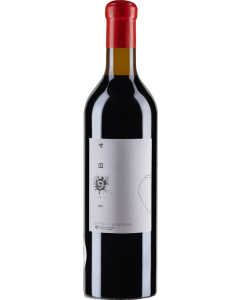
Solomnishvili winery is one of the greatest proponents of Saperavi - a boutique winery, and the personal project of Giorgi Solomnishvili, based in the Alazani river valley. Giorgi’s Saperavi 1984 is a great example of why Georgian wine has been on the up and up, a concentrated and silky red wine, with a spicy finish.
Of course, we can’t discuss Georgia’s finest wines without a mention of amber wine. Amber or orange wine is made from white grapes, often fermented in qvevri and left to go through extended skin contact, which gives the wine its tantalising colour. It’s known for its rustic and surprisingly tannic style, akin to a strong cup of black tea. A great way to start exploring this style of wine is through our Amber Wine Tasting Case. It’s a curated selection, including some of Georgia’s other finest wineries, and through it you can discover a smattering of orchard fruit flavours, dried berries, honey, and gentle tannins.
 Georgian Orange Amber Wine Premium Tasting Case6 bottles, White
Greece: From Local Favourite to Global Star
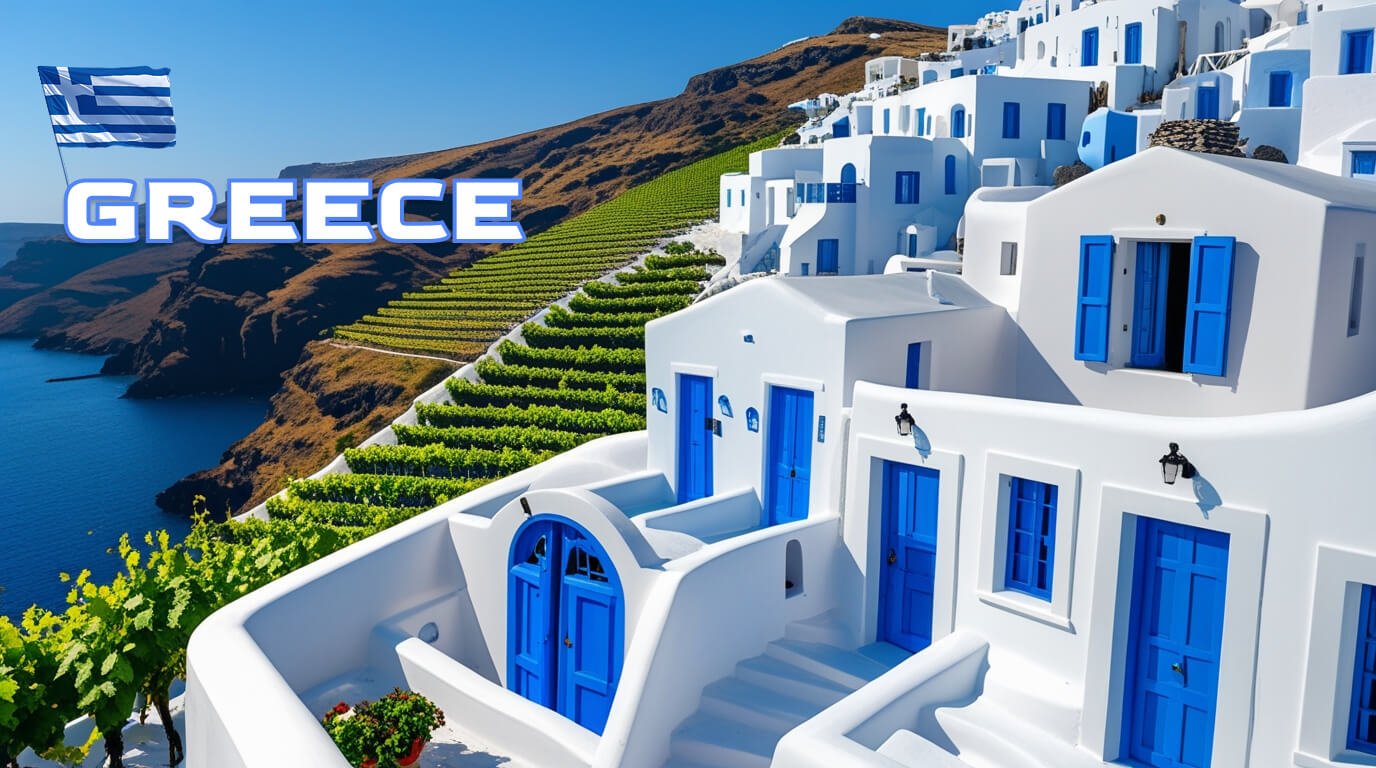
While Georgia is the oldest of winemaking regions, Greece could be seen as the region that popularised the European winemaking tradition, while trading and settling around the Mediterranean Sea.
Greece’s unique selling point is its range of native grapes, refreshing alternatives to the famous French, Spanish, and Italian wines that have become standard across the globe. Assyrtiko, Malagousia, Xinomavro, Moschofilero, Agiorgitiko - they may not be household names, but they still roll off the tongue. It’s an incredibly versatile country, ranging from crisp, volcanic island whites to powerful northern reds. Thanks to modern winemaking techniques driving quality, Greek wines have transformed from favourites of locals and holiday-goers to a ubiquitous presence on wine lists throughout Europe.
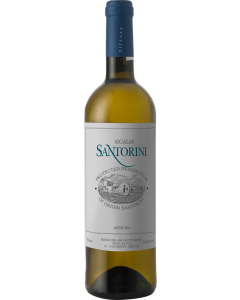
One of the most striking locations in Greece is Santorini, a windswept island with rich volcanic soils. Sigalas is one of the island’s most prestigious wineries, creating a stunning range of saline-driven wines from the insular Assyrtiko grape. Their signature Assyrtiko is made from vines that are over 60 years old - a common sight on Santorini, which was never affected by the phylloxera plague. It’s a gorgeous yellow colour, with notes of fresh citrus, saline, and Provençal herbs.
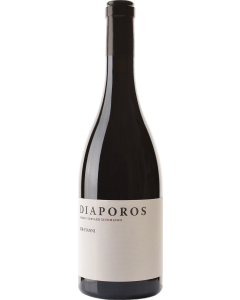
For those who prefer rich red wines, Xinomavro wines are a fantastic option, particularly those by Ktima Kir-Yanni, a winery in the northwestern region of Macedonia that pioneers a clean, modern style of the grape. Their Diaporos wine is intense and generous, packed with dark fruits but with undertones of cocoa, tobacco smoke, and balsamic.
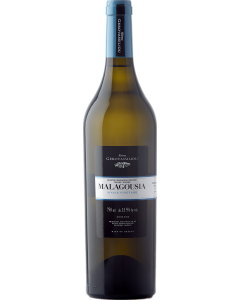
Ktima Gerovassilou is another Greek stalwart, making some beautiful red and white blends. Their flagship wine is a Malagousia, a rare Greek grape that was saved from extinction by the founder of the winery himself, Vangelis Gerovassilou. The Malagousia grape is symbolic of Greece’s rise on the whole, and in each glass you can find tropical notes of lychee, mango, orchard fruits, and white flowers.
Slovenia: From the Alps to the Adriatic
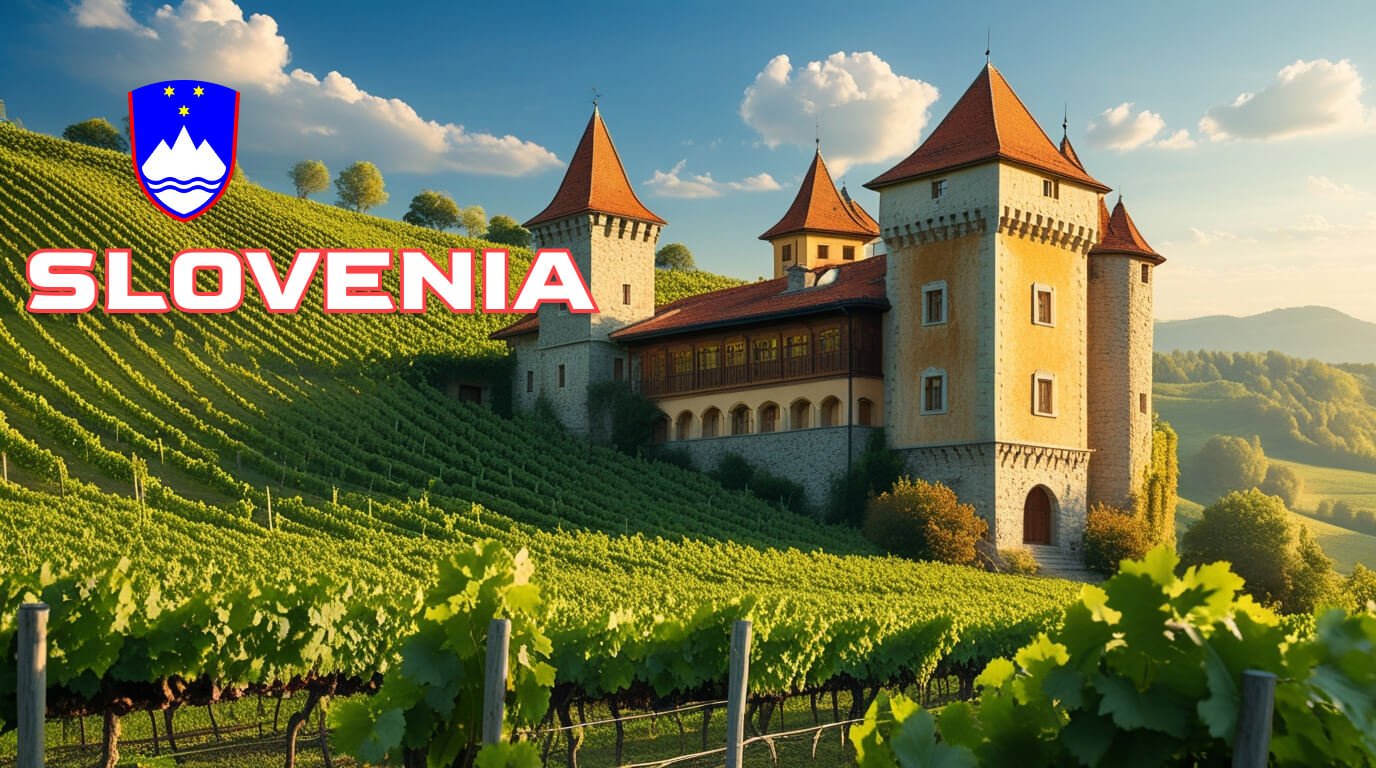
Of all the winemaking countries that touch the Mediterranean and Adriatic seas, Slovenia is arguably the most underrated. It’s the perfect blend of rustic Italian styles and the alpine and Danube-influenced wines that grow to the immediate north, in Austria. It’s also a heavy hitter in terms of wine consumption - Slovenians know their wine, and the country frequently features in top ten lists of wine consumption per capita. For a relatively small country, it punches above its weight in the world of wine, and is swiftly becoming a cult favourite.
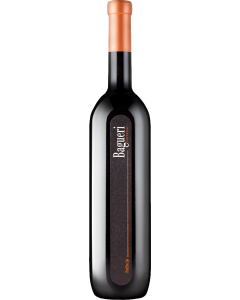
Slovenian wineries also use some overlooked grapes, like Ribolla (also known as Rebula), which is best known for growing in the neighbouring Italian region of Friuli-Venezia Giulia. We recommend trying the Bagueri Rebula from Klet Brda, one of Slovenia’s largest and most progressive co-ops. From the Slovenian Rebula, you can expect a vibrant and lively character, with hints of citrus, freshly baked croissant, vanilla essence, and orchard fruits.
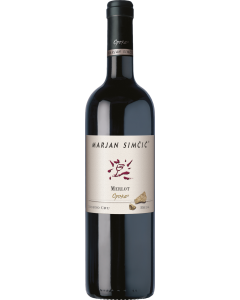
Right next to the border with Italy, Marjan Simčič combines careful craftsmanship with international appeal. It is an old family winery dating all the way back to 1860. Part of Slovenia’s appeal is the fresh takes on international grapes, such as this winery’s Merlot Opoka. Grown in a marly soil, it is fresh and intense on the palate, with a bouncy texture. You can discover flavours of blackberry and orange peel on the palate, intertwining with cherries and coffee beans.
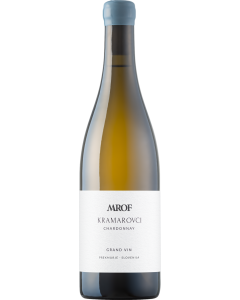
Towards the Alps, Marof is a high-altitude winery known for precise and highly acidic wines. It’s a young winery, with its first bottles produced in 2007, and is located in the region of Goricko near the Hungarian border. We’re recommending their Chardonnay, which was plucked from one of the winery’s Grand Cru vineyards, Kramarovci, where the soils are packed with volcanic rock. It’s a Chardonnay of superb quality, with notes of stone fruit, and can easily be cellared for a decade.
If the past few years were dominated by familiar French and Italian staples, the next chapter of wine exploration belongs to Europe’s underrated cult favourites, and indigenous varietals from smaller winemaking countries. In Georgia, Greece, and Slovenia, the combinations of regional character, the winemakers’ artisanal approach, and modern quality standards have driven massive interest and critical acclaim. These are regions well worth discovering (or re-discovering). Their deep winemaking histories would suggest that they are not just trendy, they’re timeless.






Overall, I had a very positive experience. However, faster response times and clearer communication would make the service even better.