



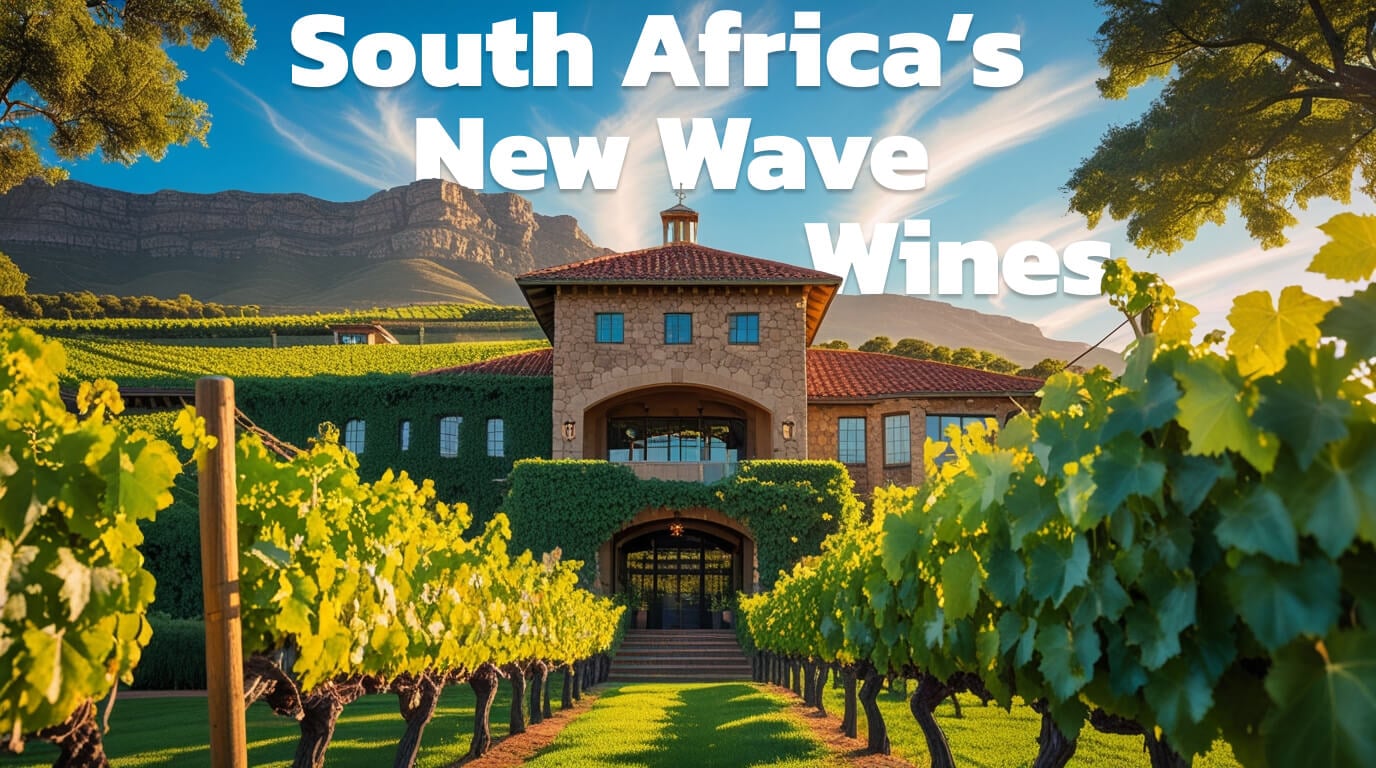
From producing one of the most prized wines in the world to enduring decades of economic stagnation and enforced bulk wine production, South Africa’s wine industry hasn’t had the easiest start in life. Yet thanks to a new generation of bold, pioneering winemakers, this up-and-coming nation is now regarded as “one of the most exciting wine producers of the moment” in the words of top wine critic Tim Atkin.
In this article we’ll take a closer look at South Africa’s New Wave wines and get to know the iconic producers and key regions pushing the country’s wine industry in exciting new directions.
A Short History of South African Wine
Winemaking in South Africa arrived with the Dutch colonial administrator Jan van Riebeeck who planted the first vines at the Cape of Good Hope in 1655. South Africa’s very first wine was made from these vines in 1659. For the next few decades winemaking struggled to get off the ground due to a lack of viticultural knowledge amongst the region’s farmers.
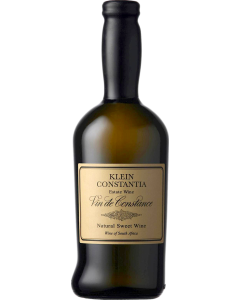
Things began to change in the 1680s when French Huguenots fleeing religious persecution settled at the Cape. Many were skilled winemakers, adapting their techniques to their adopted homeland. This early golden age of South African winemaking gave rise to the great winery of Constantia which was founded in 1685 by the first governor of the Cape, Simon van der Stel. To this day they still produce their legendary dessert wine Klein Constantia Vin de Constance which was highly sought after in the 1700s and 1800s by the likes of Napoleon Bonaparte and King Louis-Philippe of France.
Declining Demand & The Phylloxera Crisis
In 1806 the British took control of the Cape Colony during the Napoleonic Wars. Cape winemakers suddenly had access to a lucrative trade network and wine production flourished in response to growing demand from European markets. But these halcyon days would be cut short by three new threats.
The first came in the 1860s when Britain reduced tariffs on French wines, making them a far more attractive choice than wines from distant South Africa. Then came the discovery of the devastating phylloxera pest on the Cape in 1886 which wiped out entire estates. The final blow came with the Anglo-Boer war which began in 1899.
Wine Cooperatives & Bulk Production
The Cape’s wine industry slowly began to recover in the first half of the 20th century as estates replanted their vines and began focusing on other markets. This was cemented by the foundation of the KWV (Koöperatieve Wijnbouwers Vereniging) cooperative in 1918 which introduced such strict viticultural regulations that it was nicknamed the KGB.
These rules favored higher yields over quality, drawing the South African wine industry down the path to bulk production of cheap wines. This trend for mass market wines became even more pronounced during Apartheid when sanctions cut South Africa off from international markets.
The South African New Wave
In the last few decades of Apartheid South African winemakers began to invest and experiment with quality, terroir-driven viticulture. The end of Apartheid in 1994 once again opened the industry up to the global wine market, bringing in new opportunities and fresh optimism. A new generation of pioneering winemakers was quick to take up the challenge, experimenting with classic varietals like Pinotage and Chenin Blanc as well as introducing new techniques and methods like natural fermentation and minimal intervention in the winery.
The Top South African Grape Varieties
Chenin Blanc
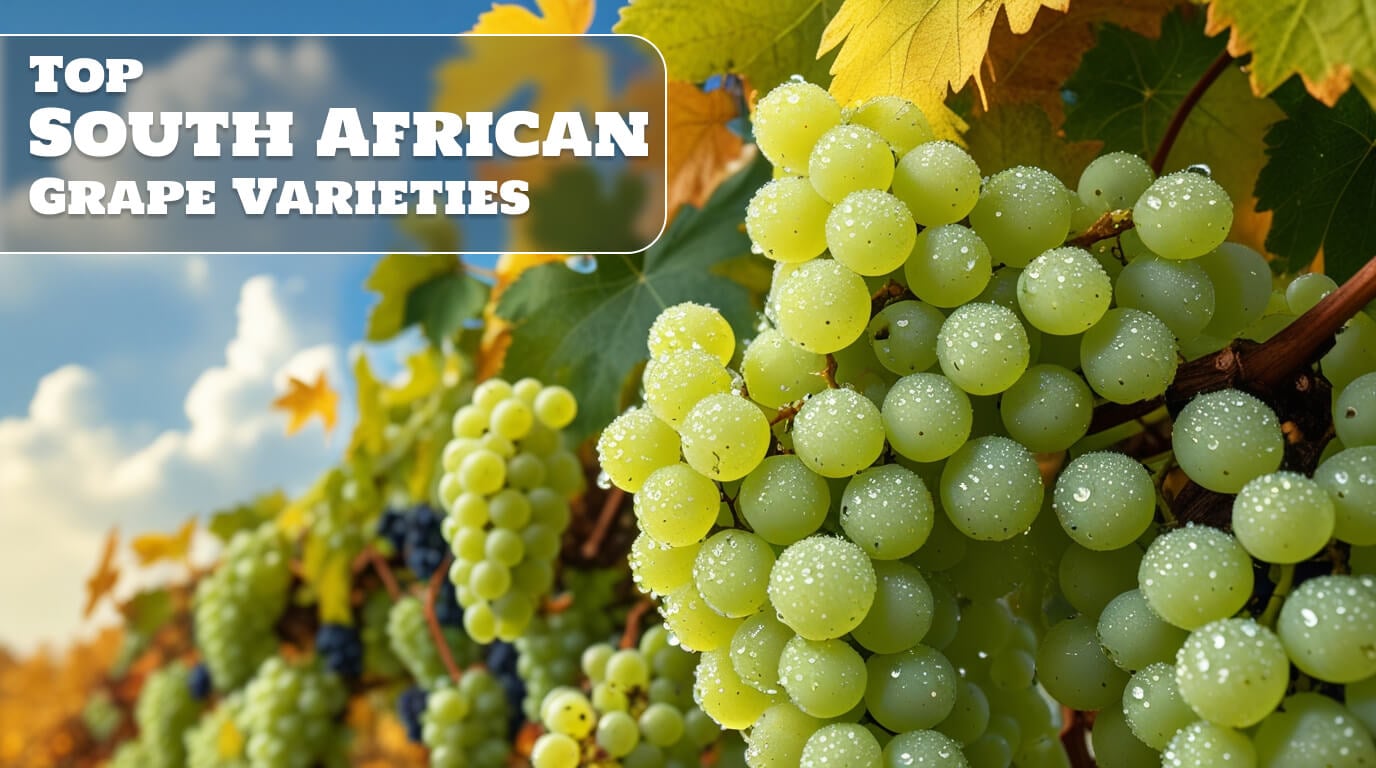
Chenin Blanc is one of the big winners of the New Wave revolution in South African winemaking. This white grape varietal was traditionally planted in very high yielding vineyards and used in inexpensive bulk wines. In recent years winemakers have turned their attention to the nation’s treasure trove of 50-100 year old Chenin vines which tend to produce deeply-concentrated, structured and ageworthy white wines. It appears both in young and fresh styles as well as richer, barrel-aged whites.
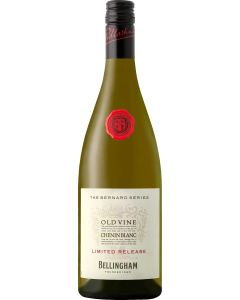
- A great example is The Bernard Series Old Vine Chenin Blanc from Bellingham winery in Franschhoek which was founded back in 1693 when Gerrit Janz van Vuuren and his wife planted the first vines on the estate. Bernard and Fredagh Podlashuk bought the property in 1943 and helped nurse it back to health. In subsequent years they played a foundational role in the New Wave South Africa, releasing the first Cape rosé in 1949 followed rapidly by the Premier Grand Cru in 1951 and the first South African pure Shiraz in 1956. The terroir and old vines tends to produce a richer, more intense and complex style of Chenin Blanc that has the potential to age beautifully in the cellar over the next few years.
Pinotage
South Africa’s other iconic varietal has to be Pinotage. Previously known for rustic bulk wines that often had notes of burnt rubber and harsh tannins, this grape has undergone a total makeover in the last two decades. By treating the grape more like its prestigious ancestor Pinot Noir, winemakers have unlocked a softer, more elegant side to the varietal. The best examples are made from old vines grown in cooler sites which are given a lighter touch of barrel aging to emphasize the purity and character of the varietal itself.
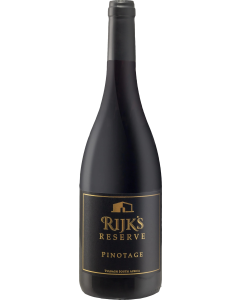
- Rijk's Reserve Pinotage is a fitting tribute to this new graceful style of Pinotage. Founder Neville Dorrington recognised the untapped potential of the majestic mountain basin in the heart of the Cape Winelands and established the Rijk estate here in 1996. Today the estate just makes a few barrels of this Reserve Pinotage each year from the oldest vines on the farm. This is a powerful yet elegant example of the grape with a well-built structure and polished tannins from 22 months of aging in French oak.
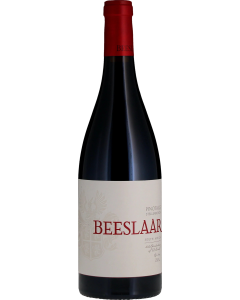
- Another must-try Pinotage is this Beeslaar Pinotage from the so-called “genius of Pinotage” Arbie Beeslar. Arbie cultivates just 2.5 hectares of 25-year-old bush-trained and non-irrigated vines in Stellenbosch. This limited production wine is fermented in open-air concrete vats and then aged for 21 months in 40% new French oak barriques. The result is a punchy, blockbuster Pinotage with a great balance between ripe dark fruit and spiced tobacco notes from the oak.
South Africa’s Premier New Wave Wine Regions
Swartland
Rugged Swartland just to the north of Cape Town had a lowkey reputation for cereal farming until becoming the heartland of the New Wave wine revolution. Maverick winemakers were drawn here in the 1990s and early 2000s by the proliferation of old bush vines, pleasant Mediterranean climate, and granite, schist and shale soils. Today the region is best known for its elegant Chenin Blanc, spicy Syrah which is often compared to those from the Rhone Valley, and lighter styles of Pinotage.
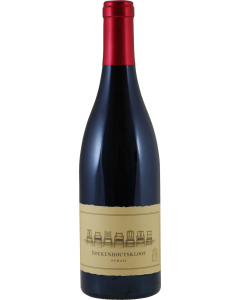
- The Boekenhoutskloof Syrah is made by visionary winemaker Marc Kent at his estate on the edge of the Franschhoek valley. He sources grapes from two estate vineyards in Swartland, Porseleinberg and Goldmine, which were chosen for their rocky schist soils. This is a particularly intense and perfumed Syrah thanks to the mineral-rich soils and cool nights which helps preserve plenty of aromatics. Marc vinifies each site separately to allow maximum control over the final blend, with each component aged in 2,500 litre or 600 litre casks for up to 18 months before bottling.
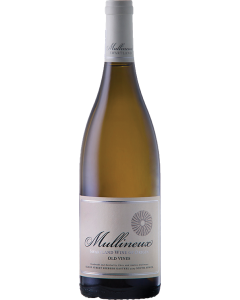
- Andrea and Chris Mullineux founded their Swartland winery in 2007 after working vintages at several wineries in France. The project is now one of the top wineries in the area, winning thirty 5-star ratings from Platter’s South African Wine Guide and being named Winery of the Year by the same publication four times. Their Mullineux Old Vines White is crafted with fruit from seven carefully-selected parcels planted with Chenin Blanc, Viognier, Grenache Blanc and some lesser-known varieties like Clairette, Viura, and Semillon Gris.
Stellenbosch
Just to the east of Cape Town we find another iconic South African wine region that’s best known for its powerful Bordeaux blends and Cabernet Sauvignon. Warm mediterranean-style summers here are cooled by breezes from False Bay, helping grow ripe yet balanced grapes that are perfectly-suited for premium winemaking.
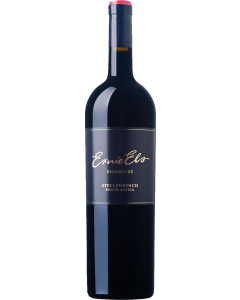
- Ernie Els Signature is a stellar example of a Stellenbosch Bordeaux-style blend composed of Cabernet Sauvignon and Merlot with splashes of Cabernet Franc, Malbec and Petit Verdot. Founded by golf champion Ernie Els, the estate is set in the Helderberg appellation, an imposing mountainous landscape that reaches False Bay’s shores on Africa’s southernmost tip. Heavily influenced by the ocean, Helderberg is notably cooler than other Stellenbosch terroirs, giving vines an extended ripening period and the opportunity to develop glorious, complex fruits.
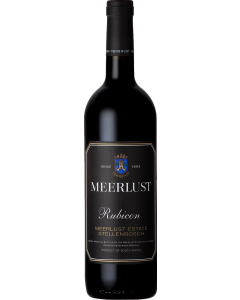
- Meerlust Rubicon is the masterpiece of Hannes Myburgh whose family have owned the Meerlust estate since 1756. Hannes studied winemaking in Germany and previously worked at Chateau Lafite in Bordeaux. Rubicon is their flagship wine and shows clear influence from Hannes’ earlier experiences in France. Predominantly made from Cabernet Sauvignon along with smaller amount of Merlot, Cabernet Franc and Petit Verdot, this is a complex and serious Bordeaux-style blend which punches high above its price tag.
Elgin
Moving this time to the southeast of Cape Town we come to one of South Africa’s premier spots for cool climate winemaking, Elgin. This used to be the preserve of apple orchards, but in the late 20th century winemakers discovered the area’s potential especially for elegant white wines. Ocean breezes and mists help create an especially long growing season, helping develop grapes with great freshness, complexity, and balance.
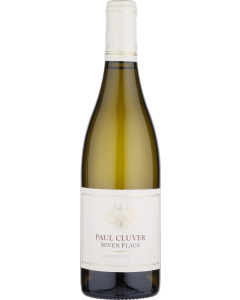
- Since its foundation in 1986, the family-run Paul Cluver Winery remains the benchmark producer of wine from the Elgin region. Their charming Paul Cluver Seven Flags Chardonnay has an impressive average score of 96 points from top international wine critics. It’s a great example of the classic elegant Elgin Chardonnay, with delicate hints of salinity from the nearby ocean and orchard fruit notes.
Durbanville
Just 20 minutes northeast of Cape Town is one of South Africa’s coolest wine regions, Durbanville. Proximity to the coast means lots of naturally cooling ocean breezes, with a particular suitability for fresh white wines like Sauvignon Blanc and lesser-known grapes like Gewurztraminer.
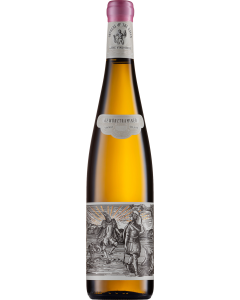
- Founded by Etienne Louw and Brenden Schwartz in 2015, Orpheus & The Raven is one of the most exciting up-and-coming wineries based in Durbanville. They specialize in avant garde wines like this sensational Orpheus & The Raven The Swansong Gewurztraminer. Each year their Swansong is made with a different grape variety because the choice falls on vineyards that will then be uprooted after the harvest. For this vintage Gewurztraminer grapes were grown on cool south-facing slopes in the Stellenbosch area and mechanically harvested early in the morning to ensure freshness. After fermentation at low temperatures with selected yeasts, the finished wine rests for 9 months on the lees before being bottled and released onto the market.
The Future of South African Wine
South African wines have reclaimed their rightful place on the world stage in recent decades thanks to bold winemakers who aren’t afraid to challenge traditions and norms. Experts expect this trend to continue as winemakers experiment with new grape varieties like Assyrtiko from Greece and Albariño from Spain which should suit the Mediterranean-style climate found in several South African wine regions.
Winemakers are also exploring new regions, such as the Garden Route, Cederberg, and the Northern Cape. After several decades of experimentation and finding their feet, South Africa’s wine industry seems more ready than ever to make their own unique mark on the world of fine wine.


Very fast delivery. Faster than I have expected. Broad selection of wines. Ordering and everything around the process was smooth. The only remark I will make is, that I am missing selection of boxes or packages that I can put bottles into as present. I had to look for other eshop offers to cover this need. So area for improvement.