



Most people know the difference between black and green olives is when they’re harvested. The earlier they are picked, the more bitter and grassy notes. Black olives are picked when they’re fully ripe, so the flavor is richer and rounder.
But the biggest difference in flavor comes down to olive variety. Just like Cabernet Sauvignon tastes completely different from Pinot Noir, each type of olive tree has a unique set of characteristics. Black Kalamata olives are assertive and deeply savory, whereas Niçoise olives are smaller with a subtle bitterness. Arbequina olives produce oil that’s mild and buttery, and Picual tends to be bold, spicy, and peppery.
In this in-depth guide we’ll take a look at the main olive varieties you’ll see in olive oils, and how to choose the right ones for your palate.
How Olive Varieties Affect Flavor
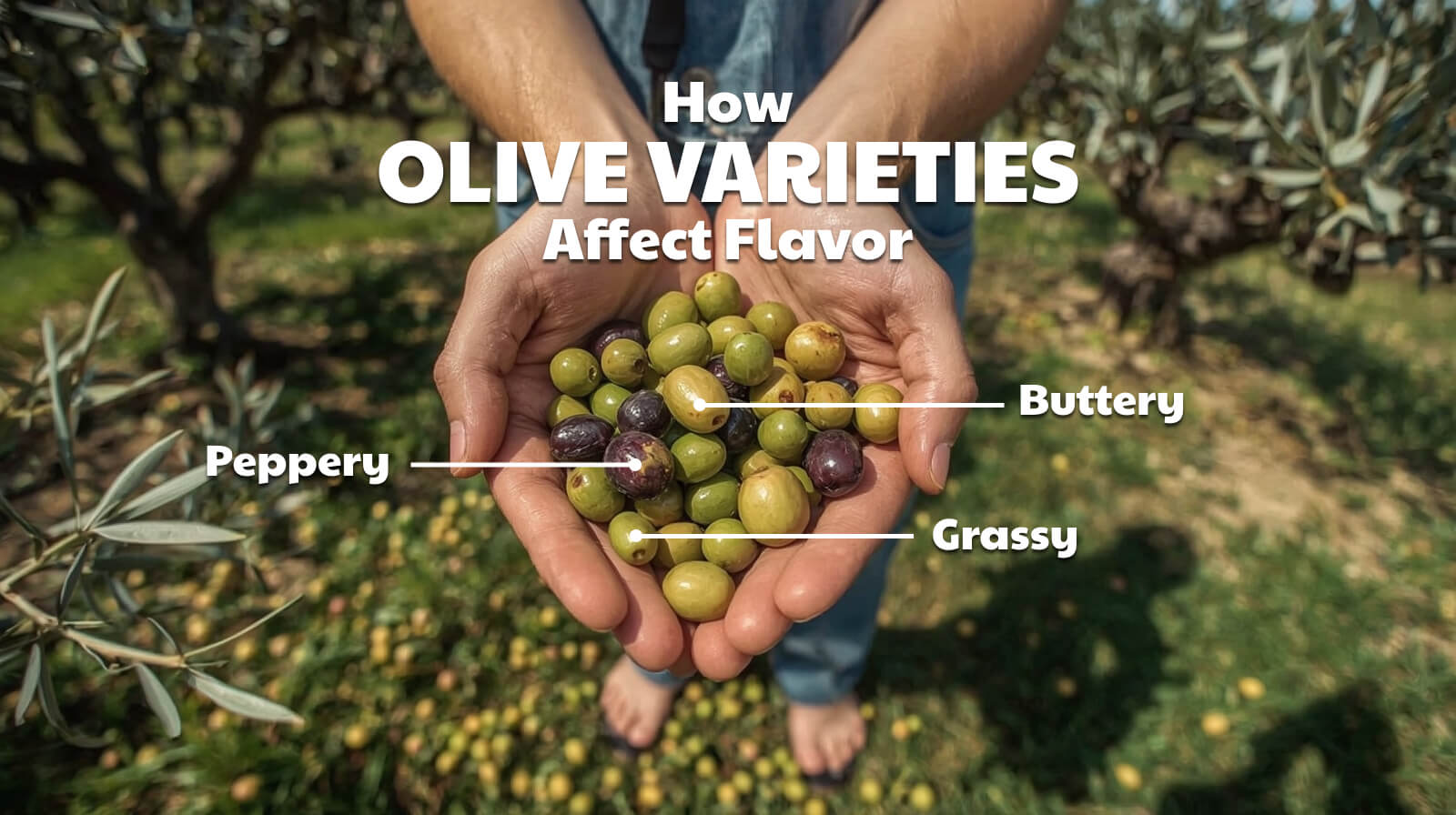
Most olives and olive oils fit into one of these three fundamental flavor profiles:
-
Buttery: These have a mild, soft and rounded flavor. Often they taste slightly sweet. Examples include Castelvetrano from Italy or Arbequina from Spain.
-
Grassy: You’ll notice hints of freshly-cut grass, herbs, and even artichoke or green tomato. This is especially common in green olives that are harvested early and varieties like Picholine from France and Frantoio from Italy.
-
Peppery: These are bold, intense and robust. They’re often high in natural antioxidants called polyphenols which can give a tingling sensation in your throat. The textbook peppery olive is Picual from Spain.
Olive Oil Blending
Just like in winemaking, single varietal olive oils aim to express the unique characteristics of that olive. Many olive oil producers also blend together varieties with complementary flavor profiles to create a balanced and harmonious oil. For example, robust and peppery Picual is often softened and rounded out by adding gentler Arbequina. This approach gives greater control over the final flavor profile and ensures consistency from year to year.
Olive Varieties You Should Know & What They Taste Like
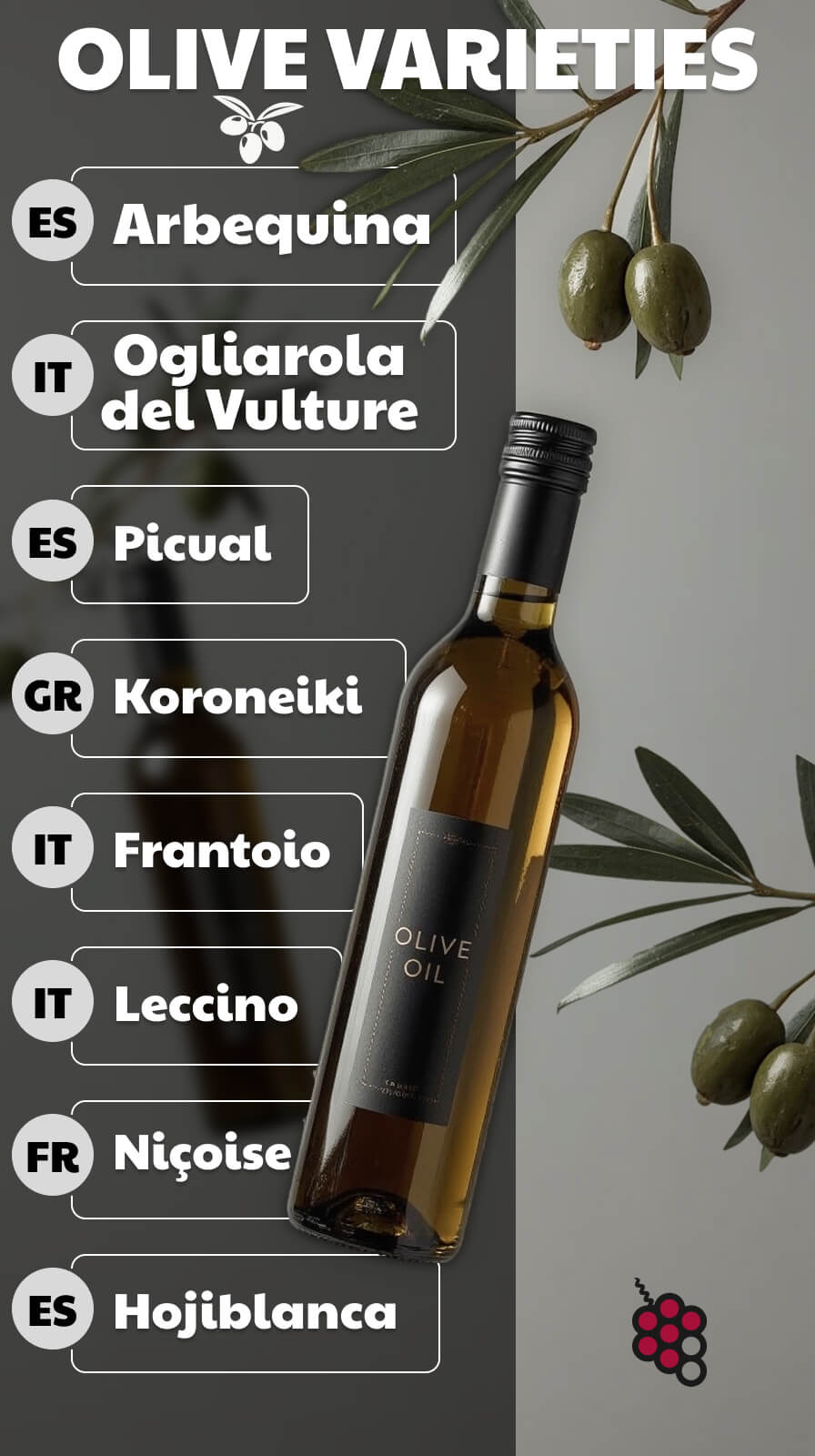
Arbequina (Spain)
Originating in Catalonia but now grown all over the country, Arbequina’s easy-going buttery and smooth character make it a core component in Spanish olive oil. It’s usually mild and low in bitterness with hints of almond and green apple. This soft, approachable character makes it a good partner for Picual or on its own for cooking or finishing dishes without overpowering the other flavors.
Picual (Spain)
Picual is Spain’s other olive oil heavyweight, accounting for 50% of the country’s oil production. It’s known for its bold, peppery flavors from all those polyphenols. These antioxidants also act as natural preservatives, helping the oil stay stable in long-term storage and also under high heat when you’re frying or cooking.
Hojiblanca (Spain)
Completing the trio from Spain is Hojiblanca, another milder olive that’s often paired with Picual. Expect a slight bitterness, subtle herbal notes, and a soft, smooth character that works well in salad dressings and as a mild cooking oil.
Koroneiki (Greece)
Common in the Peloponnese and Crete, Koroneiki are small olives with an especially high oil content of 20-25%. They’re responsible for 65% of Greece’s olive oil production thanks to their aromatic, herbaceous and peppery character. Like Picual, the high antioxidant content makes the oil long-lasting and stable when used for frying.
Frantoio (Italy)
Frantoio is a classic central Italian variety that produces medium-sized olives with a fruity, herbaceous character. Notes of artichoke and green tomato are common and high polyphenols add peppery spice. Single varietals are great for drizzling over salads and adding flavor to grilled vegetables and seafood. Since the Frantoio tree is so adaptable, Frantoio olive oils from different parts of Tuscany can taste radically different depending on the terroir.
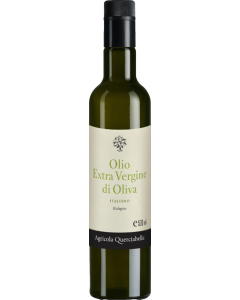
Leccino (Italy)
Another Tuscan classic, Leccino is known for mild, buttery olive oils with lower bitterness. It’s often blended with Frantoio for well-balanced oils perfect for dressings and everyday cooking. Leccino is also popular outside of Italy, especially in the Americas and Australia, thanks to its milder flavor and adaptability.
Ogliarola del Vulture (Italy)
This up-and-coming variety is grown on the volcanic slopes of Mount Vulture in southern Italy’s Basilicata region. The terroir here gives these oils a truly unique minerality that isn’t found anywhere else. It shines especially as a single varietal extra-virgin oil for drizzling over grilled vegetables and seafood thanks to a delicate fruitiness and low bitterness. A common local snack or appetiser is toasted bread topped with fresh tomatoes, a little salt, and a generous drizzle of extra-virgin Ogliarola del Vulture.
Niçoise (France)
Hailing from their namesake Nice and the wider Provence region of southern France, Niçoise are small, delicate olives that are harvested fully ripe. They have a gentle, balanced flavor with subtle fruity, bitter, and herbaceous notes. Niçoise oils are ideal for drizzling over salads or seafood thanks to their lighter profile.
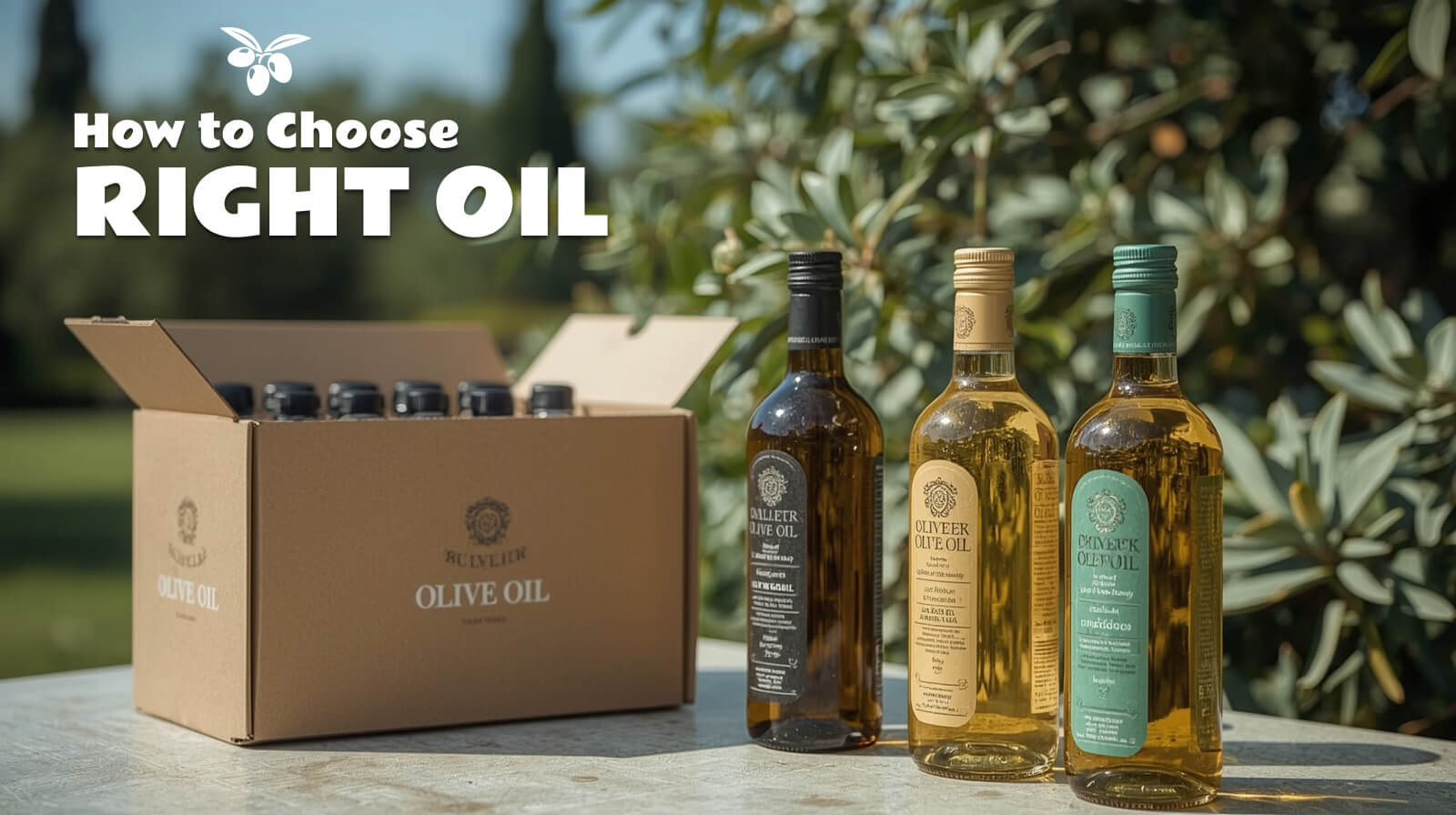
How to Choose the Right Oil
Choosing the right olive oil comes down to your individual palate and what you plan to do with it. Here’s some tips on which oil to choose depending on the flavors you like or the dish you’re cooking.
Pairing Olive Oils with Food
-
Salads and Seafood: Milder oils like Arbequina or Leccino work well since they don’t overpower the delicate vegetable or seafood flavors. Use them in vinaigrettes, drizzled over a freshly-grilled fish, or with ceviche.
-
Sauces: Pick more robust oils based on Picual or Koroneiki for tomato-based pasta sauces or rich meat sauces. They stay stable even at high temperatures and add plenty of flavor and depth to your dish.
-
Vegetable Dishes: Enhance veggie dishes with a splash of Frantoio. The herbaceous character complements the natural flavors of the vegetables.
-
Dipping Oils: If you’re planning to serve olive oil with bread as a dip, look for milder oils like Arbequina or Leccino that are easy to enjoy on their own
-
Charcuterie and Cheese Boards: Go for fruity, subtly peppery oils like Leccino or Ogliarola del Vulture to complement the bold flavors of hard, aged cheeses and cured meats.
Choosing Olive Oils By Flavor Preference
-
If you like mild and buttery with a gentle flavor profile: Arbequina, Leccino
-
If you like bright and citrusy notes: Koroneiki, Hojiblanca
-
If you like bold flavors with lots of bitterness and pepper: Picual, Frantoio, Niçoise
Still not sure which olive oil is right for you? 8wines selects the finest extra-virgin olive oils from organic producers in Spain, Italy, and Croatia delivered direct to your door. Why not try our Premium Olive Oil tasting case which includes six different extra-virgin olive oils from our favorite producers.
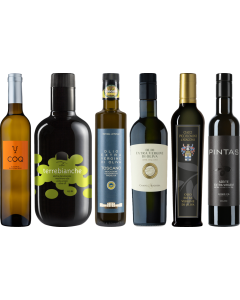 Vineyard Olive Oil Premium Tasting Case6 bottles, Extra virgin







I had a great experience, with quick at professional delivery.