



For decades Spanish wine has been synonymous with powerful oak-aged reds from Rioja and Ribera del Duero. Today that balance is shifting towards a lighter, fresher expression as a new generation of talented winemakers explore the potential of Spain’s indigenous whites and revive ancient vineyards. From the steep granite slopes of the Galician coast to the rugged hills of Priorat, Spanish white wines are among the most compelling bottles in the world right now.
So, what's powering Spain's white wine boom? Let’s look at the key trends, top regions and leading producers driving this renaissance.
Galicia leads the revolution
Hidden away in Spain’s misty north-west corner, Galicia has become a powerhouse of refined Spanish white wines. The stormy Atlantic coast with cool maritime climate, ample rainfall, and granite and schist soils provided the perfect ingredients for fresh, terroir-driven whites.
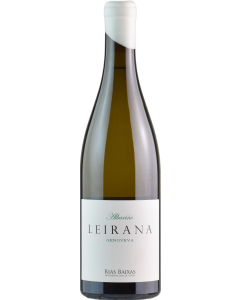
The story begins back in the 1980s after the 1988 creation of the Rías Baixas DO appellation which helped shift Albariño’s status from a simple seafood accompaniment to the premier Spanish white wine. Key producers like Rodrigo Méndez of Forjas del Salnés championed old-vine Albariño and tiny historic vineyards, proving that Galicia’s finest Albariño could rival top white wines from anywhere. Crafted from 80-year old vines, fermented in neutral barrels, and then aged in oak for 12 months, their Leirana Genoveva is a great introduction to this new generation of world-class Albariño.
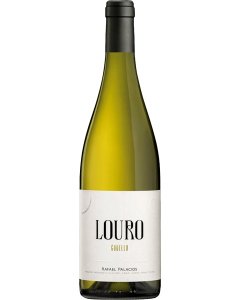
The second wave came in the 2000s when Rafael Palacios and his peers put Valdeorras on the map for sensational Godello. This little-known local variety had almost disappeared here just north of the Portuguese border by the 1970s. Steep terrain and rough conditions make viticulture a challenge here, but Rafael’s dedication with wines like his lees-aged Louro helped rescue Godello from extinction and create a new standard for Spanish white wines.
Unlike many Spanish regions and their Southern European neighbours, Galicia is well-placed to resist climate change. Cooler conditions and a long growing season here on the Atlantic coast allow producers to lock in freshness while achieving real depth of flavour.
A return to unique indigenous varieties
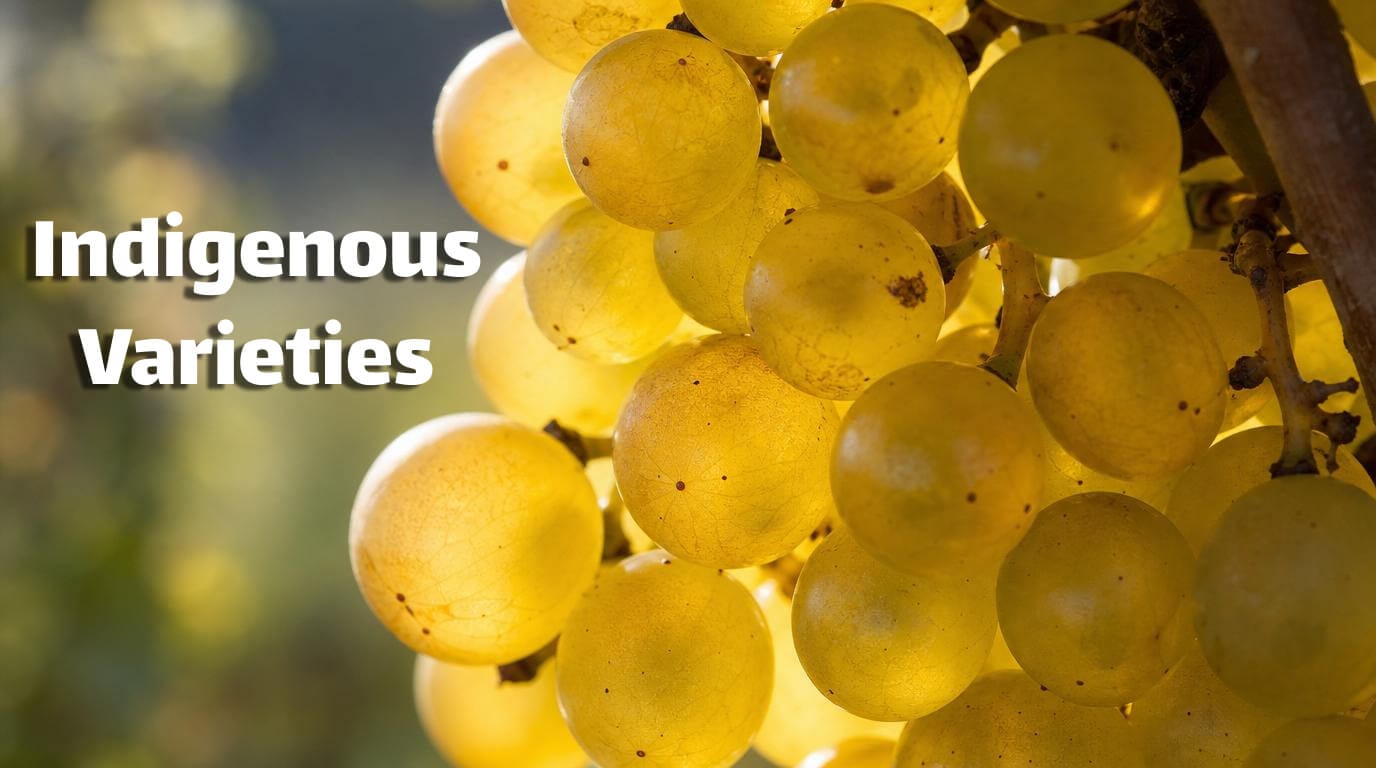
Spain’s white wine boom has been spearheaded by indigenous varieties that thrive in its diverse and often challenging climates. Godello and Albariño led the charge, and now that trend continues with lesser-known whites like Listan Blanco from the Canary Islands.
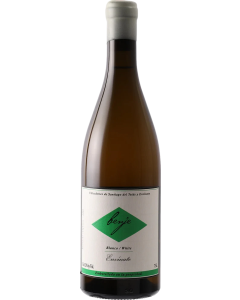
Also known as Palomino Fino, this obscure grape is now the flagship white wine of the islands thanks to producers like Envinate on Tenerife. This collective of four winemakers crafts innovative wines like their Benje Blanco from 70-110 year old Listan Blanco vines at the top of the volcanic mountain Pico de Teide.
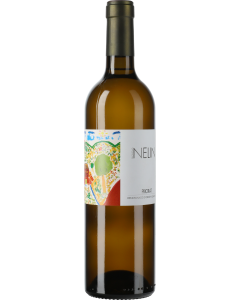
This pattern continues in mainland Spain. While best known for their powerful Priorat reds, the legendary Clos Mogador founded by René Barbier and his wife Isabelle have also done their part to help redefine Spanish white wines. Their Nelin cuvee is a complex field blend of Garnacha Blanca, Macabeo, Pansal, Picapoll, Cartoixá, Trepat Blanc, Cariñena Blanca, and Pedro Ximénez from four small mountainous plots.
Across Spain, pioneering winemakers are turning away from standard international templates and rediscovering native grapes with unique character and better adaptation to local conditions.
Old vineyards are finally being appreciated
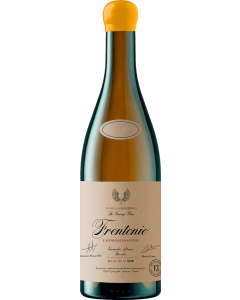
From Envinate’s 110 year old vines on Tenerife’s volcanic mountain to tiny plots in Galicia, modern Spanish winemakers are rediscovering their rich viticultural heritage like never before. Instead of planting sterile modern vineyards, producers like Bodegas Frontonio in Aragón have invested in rescuing old plots like the prized El Jardín de las Iguales planted between 1898 and 1908.
Their success is evident in wines like La Loma & Los Santos, a Garnacha Blanca and Macabeo blend from 50-year old bush vines. Frontonio produces just a few thousand bottles per year since yields are kept very low and their holdings of precious old vines are tiny.
Modern age-worthy whites
Rioja has made aged white wines for decades, but it’s only very recently that the style has taken off among modern white wine drinkers. Traditionally Rioja’s whites were made in a heavy, oxidative style, while today’s winemakers prioritize freshness, aromatics, and balance.
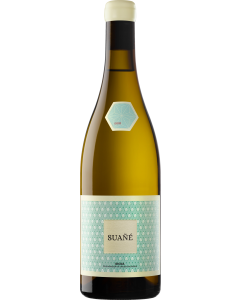
A great example of the modern style is Alonso & Pedrajo’s Suane Blanco Reserva, a blend of 75% Viura and 25% Sauvignon Blanc grown at around 600 metres above sea level. Soil conditions here are predominantly clay-calcareous, helping create an intense, richly-flavored white wine that ages in French oak barrels for 12 months to achieve Reserva status.
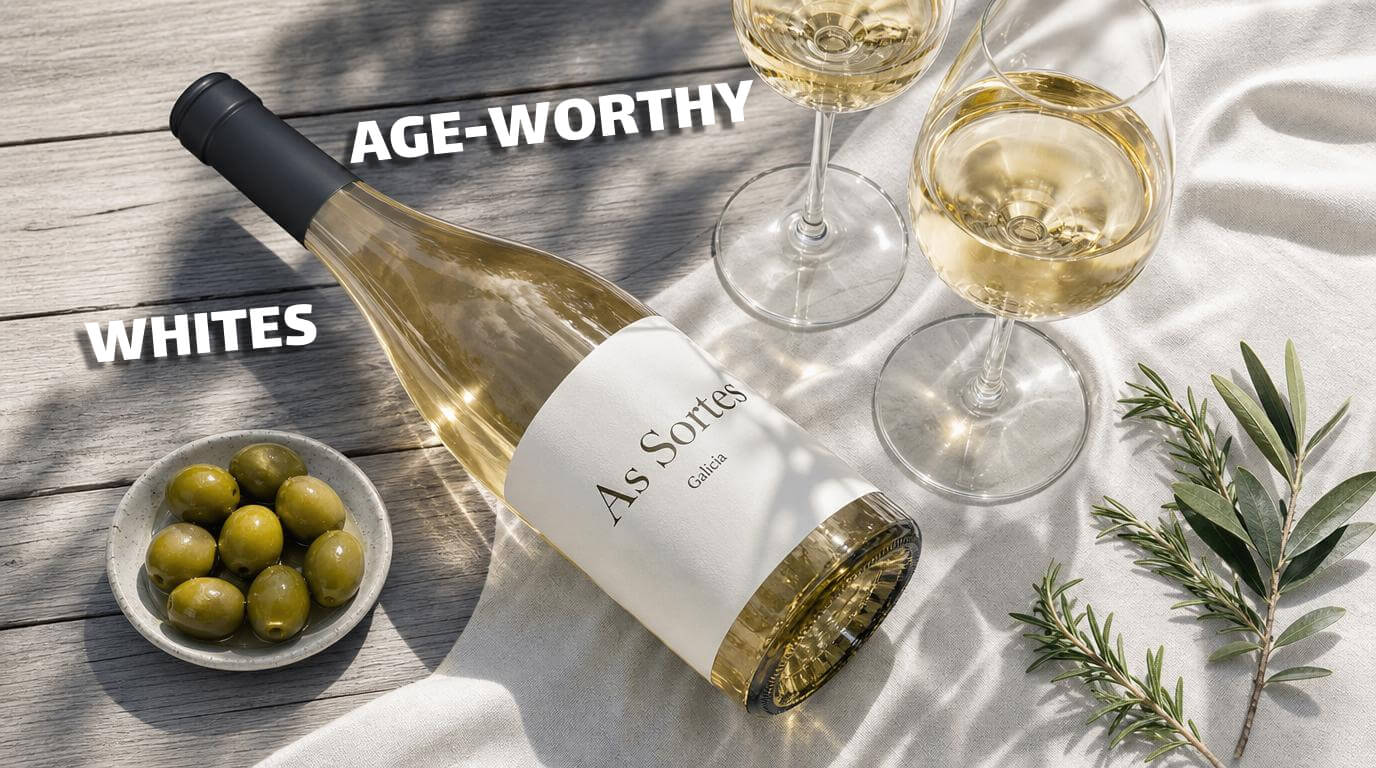
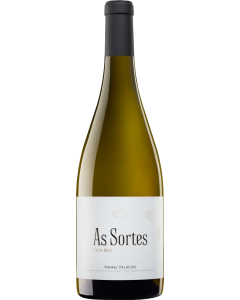
Other great producers crafting innovative age-worthy whites include Belondrade for barrel-fermented Verdejo and Rafael Palacios’ less-aged As Sortes made from 100 year old Godello vines in Valdeorras.
The rise of micro-terroir
Recent Spanish winemaking history has been dominated by individual DOs like Rioja, Ribera del Duero, and Rias Baixas. Now the focus is shifting to ever-smaller units, including tiny individual plantings of just a few hundred vines like Rafael Palacios’ 20 small plots spread across steep Galician terraces.
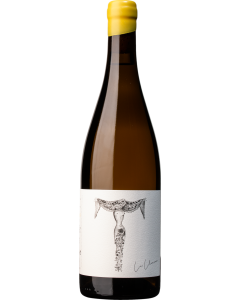
Verónica Ortega takes a similar approach in Bierzo where she owns just 5 hectares in Valtuille de Abajo. Verónica’s precision and dedication to micro-terroir proves that quality wins over quantity, with her La Llorona Godello offering exceptional complexity and vibrancy.
Verdejo grows up
Most wine drinkers probably associate Verdejo with cheap and cheerful table wine. French winemaker Didier Belondrade was one of the first to tackle this assumption by adapting a Burgundian “château” model to the vineyards of Rueda. His Belondrade estate specializes in complex, barrel-fermented Verdejo sourced from more than 20 small parcels which are each each harvested and vinified separately before being blended.
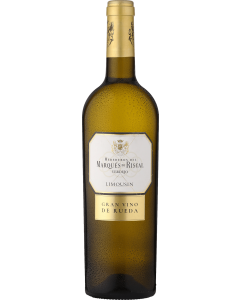
Another top producer redefining Verdejo is the noble Rioja producer Marqués de Riscal, a historic Spanish estate found in 1858 which has recently begun experimenting with serious, age-worthy Verdejo. Grapes for their Riscal Limousin Reserva are sourced from ungrafted 50 to 120 years old bush vines in Aldeanueva del Codonal, Aldehuela, and Moraleja de Coca with 8 months of barrel ageing for greater complexity and polish.
High altitude mountain wines
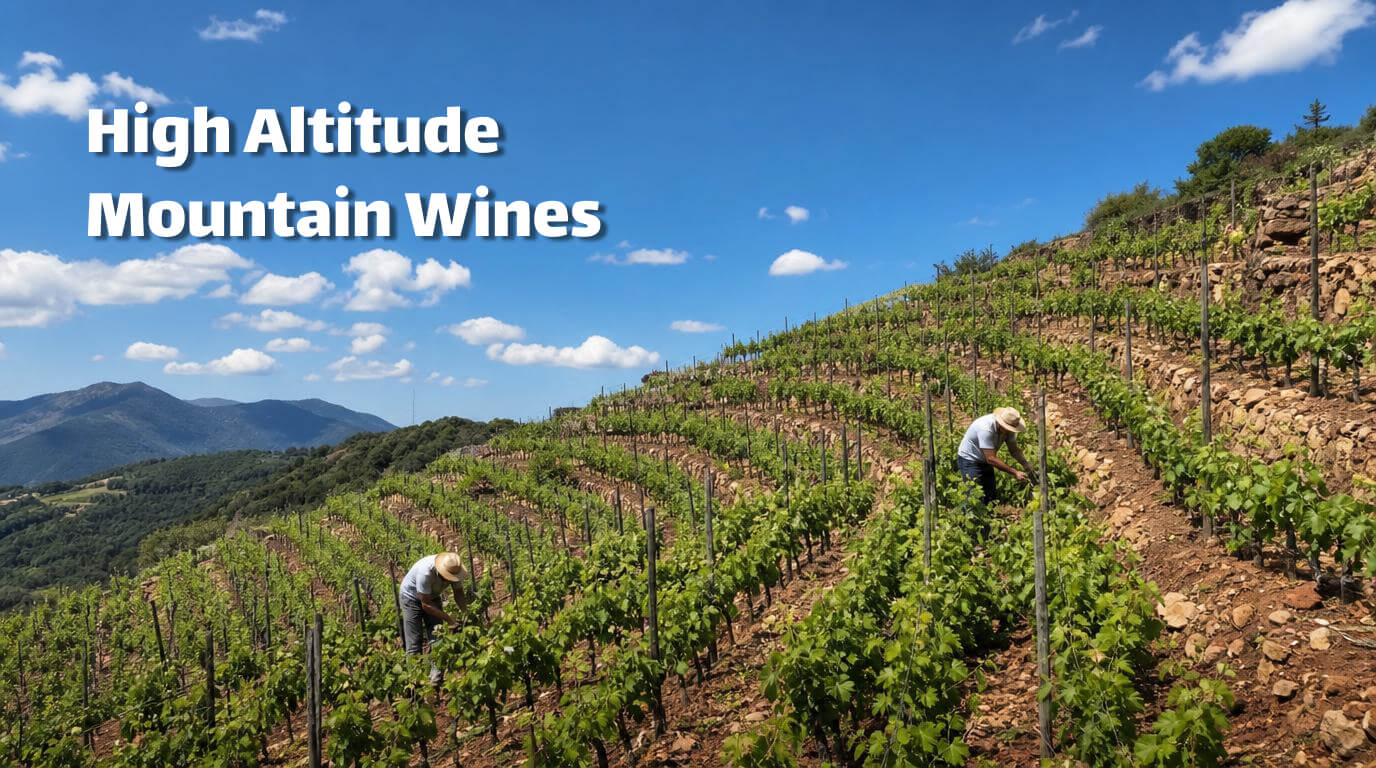
The final defining trend of modern Spanish white wine is the move towards higher altitude vineyards that offer fresher nights, a longer growing season and better climate resilience. Rising temperatures in inland and southern Spain are pushing traditional vineyards to their limits, making elevation a critical factor in white wines that need both ripeness and acidity.
For example, Envinate on Tenerife plants their Listan Blanco vines at up to 1200 metres above sea level on the volcanic soils of the island’s highest peak, Pico de Teide. Here altitude, cool nights, and basalt soils combine to produce wines defined by freshness, salinity, and tension.
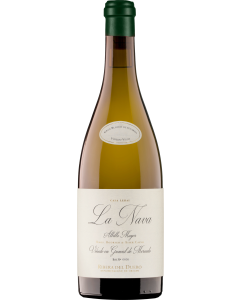
Over in Ribera del Duero, Casa Lebai offers a different approach with vines planted on a high continental plateau at around 800 metres elevation. Here extreme diurnal variation, or the difference in temperature between the day and night, preserve aromatics and freshness despite the searing summer heat. Their Casa Lebai La Nava is a unique cuvee crafted from 80-year old Albillo Mayor grapes with small additions of Valenciano Blanco, Moscatel, Palomino Fino, and Pirulés.
Spain’s deep viticultural traditions and know-how have helped birth a new generation of whites that are fresher, more structured, and often capable of long ageing. What was once a fragmented landscape of regional styles is increasingly an innovative movement toward precision and origin.





best terms of delivery