


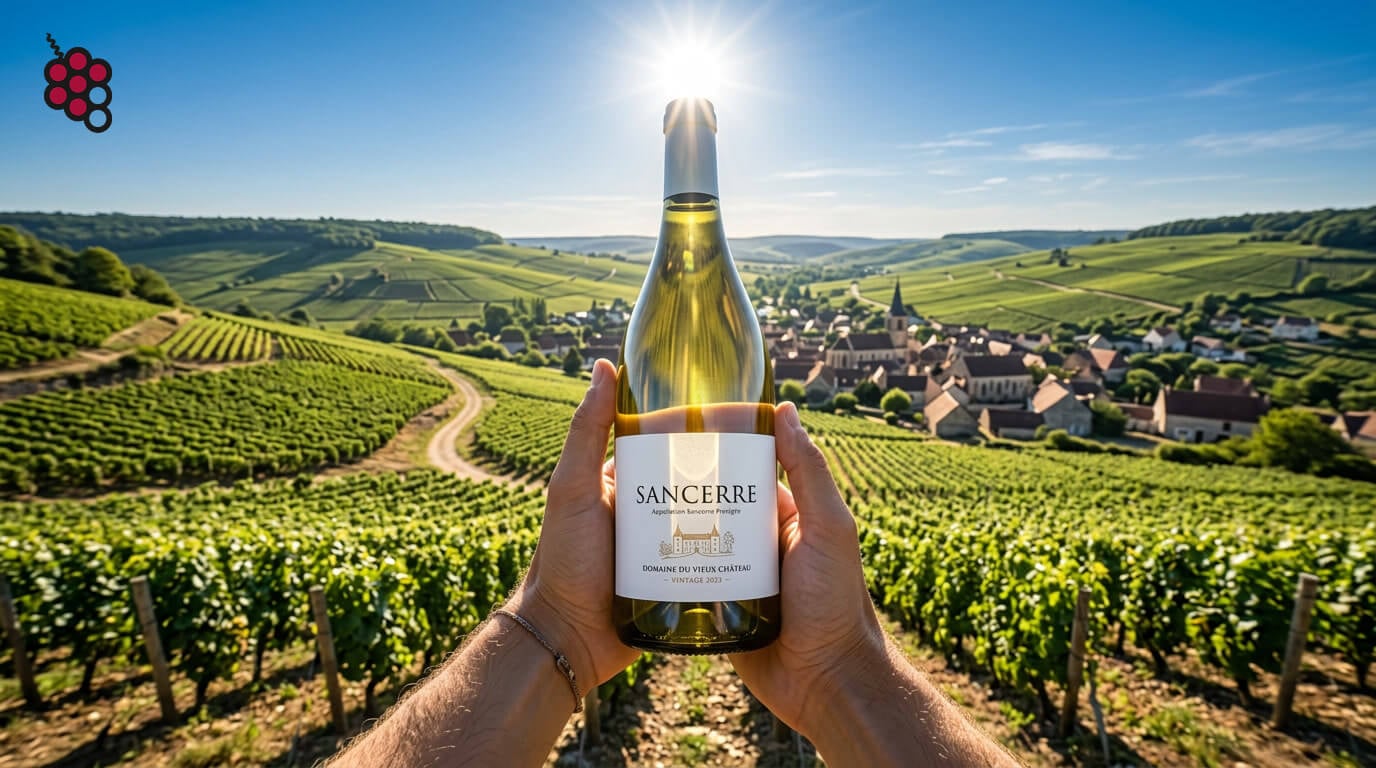
Famed today for its Sauvignon Blanc, Sancerre in France’s Loire Valley used to be known for its red wines. This small and prestigious appellation, located around 2 hours from Paris, is blessed with a cool continental climate, limestone-rich soils, and rolling hills which make it ideal for crafting fresh and elegant white wines.
Sancerre: Replacing Pinot Noir with Sauvignon Blanc
The story of Sancerre goes back to the ancient Romans who were the first to plant vines here on the fertile slopes and limestone-rich hills of the eastern Loire Valley. In medieval times monastic orders expanded and developed viticulture even further. Red wines made from the Pinot Noir that dominated the area were shipped to other parts of France along the Loire River.
The shift to Sauvignon Blanc came after the phylloxera crisis which devastated Sancerre’s vineyards in the late 19th century. Many growers replanted with Sauvignon Blanc which was better suited to the conditions here. Today the Loire is France’s leading region for Sauvignon Blanc, and the grape makes up 80% of the wines produced in Sancerre. The remainder are either reds or rosés made from Pinot Noir.
Why Sauvignon Blanc Thrives in Sancerre
Sancerre thrives here in the eastern Loire where the cool conditions, mineral-rich soils, and natural stress help craft characterful wines with a real sense of place.
Cool Climate
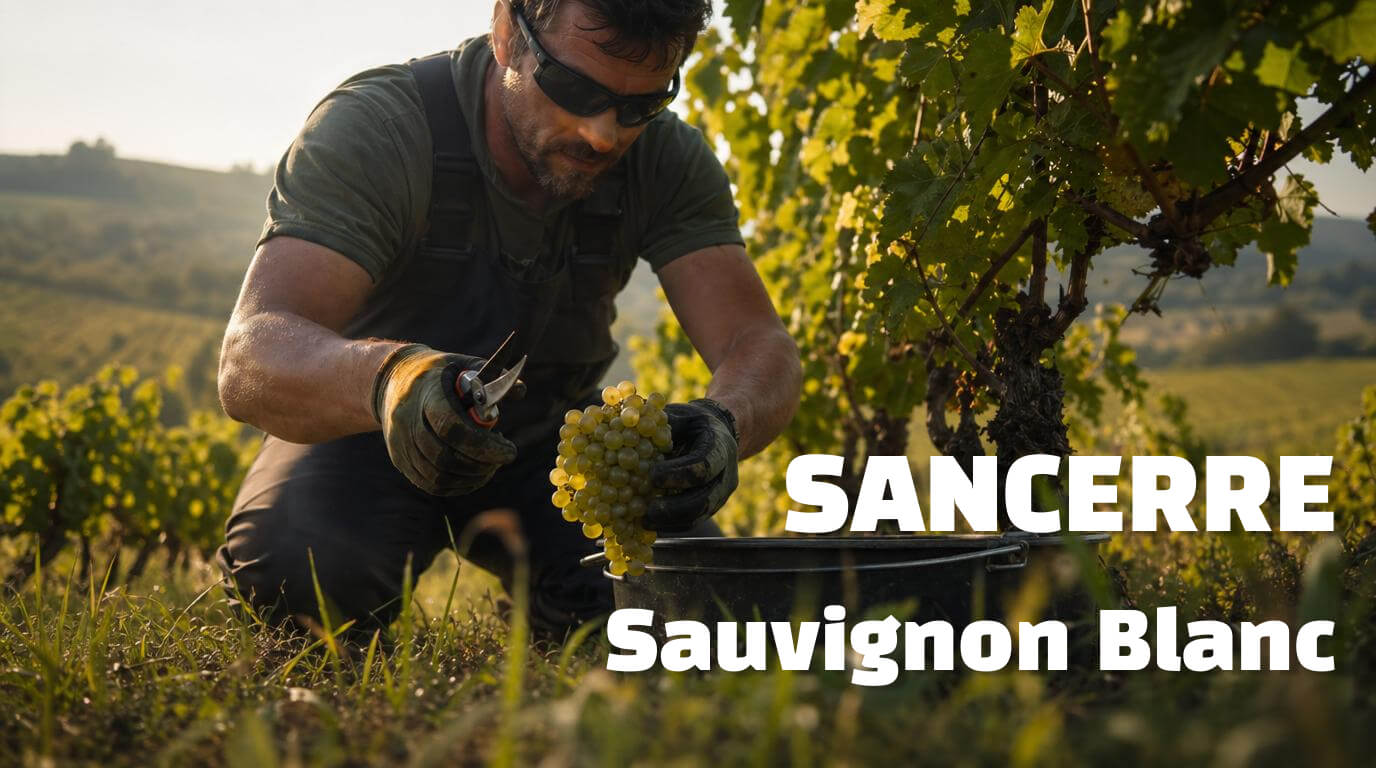
The cool climate in the eastern Loire Valley helps the Sauvignon Blanc grapes ripen slowly. This variety preserves plenty of refreshing acidity even when fully ripe, which gives Sancerre its characteristic tension and freshness.
Early Ripening
Another reason why local winemakers switched over to Sauvignon Blanc is that the variety ripens earlier and more reliably than Pinot Noir. This part of the Loire is prone to frost and unpredictable weather, making a white variety like Sauvignon Blanc a lower risk choice.
The Three Soils of Sancerre
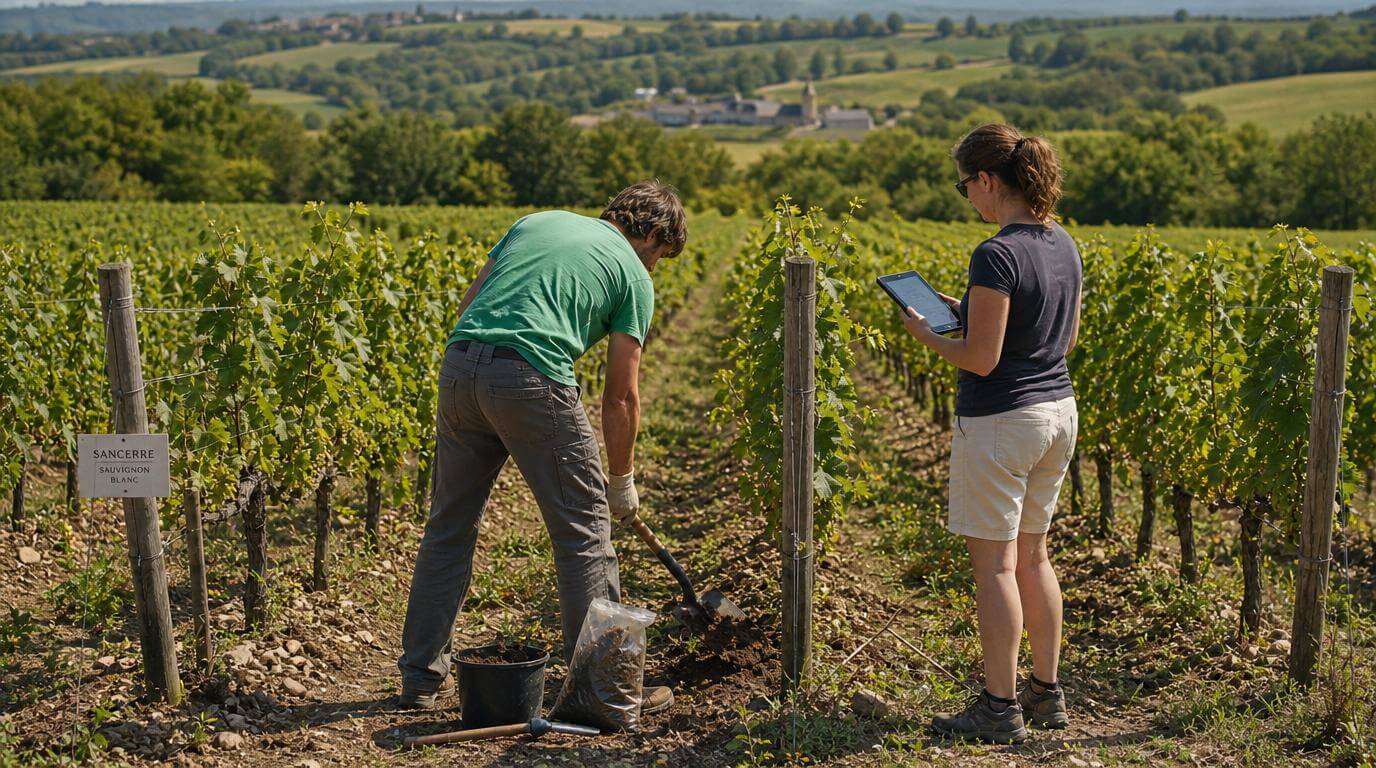
Sancerre has three main soil types: flint (known as “silex”), limestone (“caillottes”), and clay-limestone (or “terres blanches”). Sauvignon Blanc expresses terroir very clearly, producing different flavour and aroma profiles depending on the type of soil it is grown on.
-
Flint soils tend to create smoky, almost gunpowder-like mineral notes
-
Sancerres grown on limestone are often bright and zingy with plenty of citrus character
-
Clay-limestone soils give a fuller body with great depth of flavour and strong ageing potential
Natural Stress
Sancerre soils tend to be well-draining and rich in minerals. This puts stress on the vines and forces them to work harder to access water and nutrients. The result is lower yields and more precise structure and flavours.
What Makes Sancerre Unique
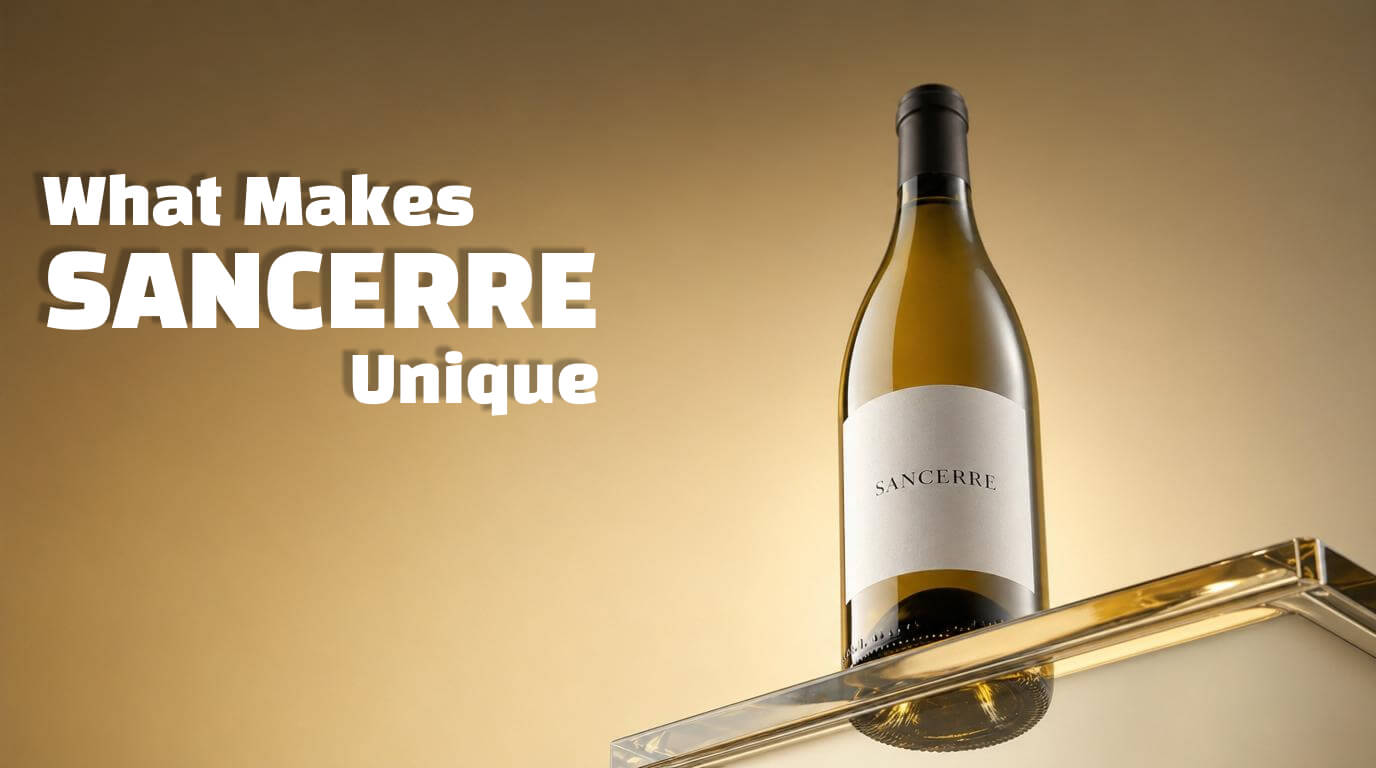
Sancerre’s unique terroir gives these wines a distinctive profile compared to other famous Sauvignon Blanc regions like Marlborough in New Zealand:
-
Marlborough, New Zealand: highly aromatic, tropical and grassy with telltale “gooseberry” notes.
-
Constantia and Elgin, South Africa: Richer and rounder with citrus, ripe tropical fruit and some herbal notes. Often aged in oak for extra complexity.
-
Bordeaux Blanc: Usually blended with Semillon and often aged in oak to create a fuller-bodied white with hints of stone fruit, spice, and honey.
-
Sancerre: Lean, mineral-driven, and more restrained with plenty of crisp acidity. Most Sancerre is fermented and aged in stainless steel tanks rather than oak to preserve its natural freshness and minerality.
Sancerre’s Must-Try Producers
Sauvignon Blanc only began to shine in Sancerre from the 1960s onwards when a handful of small domaines started to focus on quality small-batch winemaking. Global demand for Sauvignon Blanc was growing, creating perfect conditions for Sancerre to develop and refine its signature expression.
Here’s the key players who’ve helped put Sancerre on the map for exceptional Sauvignon Blanc over the last few decades:
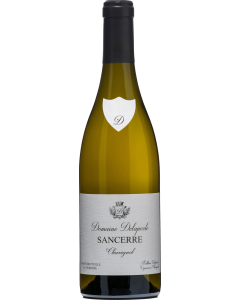
Domaine Delaporte
Passed from father to son since the 17th century, this historic family-run estate is rooted in the village of Chavignol just southwest of the town of Sancerre. Today the focus is on sustainable viticulture and low intervention in the winery, with most of the work still done by hand using traditional methods.
Delaporte is blessed with some exceptional vineyards, especially their holdings around Chavignol planted on top-quality limestone soils. The estate is considered a reference point for classic Sancerre with precision, balance, and minimal use of oak.
Domaine Fournier Père et Fils
One of the larger estates in Sancerre, Domaine Fournier dates back to 1926 and was closely involved in the establishment of the AOC Sancerre appellation in 1936. Fournier has expanded significantly over the years across several appellations, and now boasts around 160 individual vineyard parcels in the eastern Loire Valley.
This diversity gives Fournier access to a palette of terroirs to work with, including Sancerre’s iconic flint, limestone, and clay-limestone soils. This gives their portfolio impressive breath and depth, including intense, structured wine with impressive longevity and lighter, crisper styles with zingy acidity.
Lucien Crochet
Domaine Lucien Crochet is set in the village of Bué which is known for its exceptional terroirs. Lucien Crochet created the domaine by uniting two family estates in the mid-20th century, and was able to establish strong links with Parisian restauranters. His son Gilles studied oenology in Burgundy and later introduced a terroir-based approach and modern winemaking techniques.
Today the domaine has around 35 hectares spread across the three classic Sancerre soil types which are predominantly planted to Sauvignon Blanc and some Pinot Noir for red Sancerre. The house style is structured, traditional and serious, with grapes vinified by individual parcels and typically aged on the lees for extra complexity and texture.

Hubert Brochard
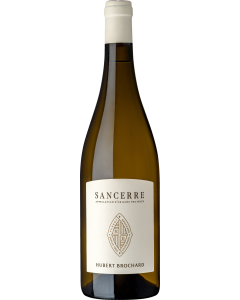
Dating back to 1900, Hubert Brochard has played a key role in Sancerre history helping to develop the region from a network of small family growers to an iconic international appellation. The estate began as a wine merchant and producer in the village of Chavignol, expanding over the 20th century by developing long-term contracts with growers across the region.
Today they work with contracted winegrowers as well as a few dozen hectares of their own, giving the winery access to every possible expression of Sancerre. Their wines are typically approachable, clear, and fruit-dominant thanks to a house philosophy of making consistent and recognisable wine each vintage.
Clement & Florian Berthier
The fifth generation of their family to make wine here in the Loire, brothers Clement and Florian took over the family estate in 2012 and today operate across a range of appellations in the valley. Most of their Sancerre holdings are around Sainte-Gemme-en-Sancerrois in the north with access to flint, limestone and clay-limestone soils.
The brothers aim for minimal intervention in the winery and vineyard, with organic certification awarded in 2022 and some usage of wild yeasts for fermentation. This is a modern, restrained style of Sancerre with enticing aromatics and a strong focus on terroir.

Gitton Pere et Fils
Founded by Alphonse Gitton who began acquiring prime Sancerre vineyards in the mid-20th century, this domaine is known for its terroir-driven approach and focus on unique micro-parcels. Some are extremely small which allows for a precise expression of the land and growing conditions.
Gitton is best known for their flint soils which typically produce smoky, gunpowder-like aromatics and bright citrus and herbal notes. Fermentation in stainless steel tanks and careful use of lees ageing helps preserve and highlight this character right through to the bottle, like Les Belles Dames.
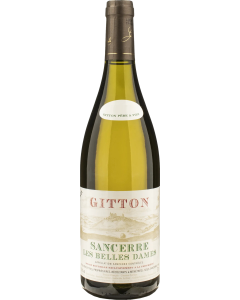
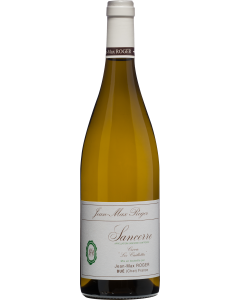
Jean-Max Roger
The Roger family has been involved in viticulture since at least the 17th century. In the 1970s Jean-Max Roger inherited 4 hectares of vineyards from his parents and switched the family farm to full-time viticulture. Today his sons Thibault and Étienne Roger have around 35 hectares dispersed across Sancerre’s three premier soil types, which are typically vinified separately to express the special character of individual parcels.
Jean-Max Roger sits somewhere in the middle stylistically, with some use of neutral oak vessels and extended lees ageing. They typically produce more rounded, structured and ageworthy wine without sacrificing aromatics, freshness, and precision.
These producers are great examples of why Sancerre enjoys such popularity on the world stage. Ranging from crisp, lean, mineral-driven expressions that truly refresh the palate to rich, almost tropical examples that can age for decades, this is a unique appellation that has a lot to offer the discerning winelover.



Overall, I had a very positive experience. However, faster response times and clearer communication would make the service even better.